



Owning a vintage heavy metal shirt is like holding a piece of musical history, not just a faded souvenir. For collectors around the world, the fabric beneath legendary band prints means everything, shaping both the shirt’s value and its authenticity. Understanding the qualities of vintage band shirt fabrics—from iconic cotton blends to unique weave patterns—can transform an ordinary shirt into the centrepiece of your collection.
Table of Contents
- Vintage Shirt Fabrics And Collector Appeal
- Cotton, Polyester, And Fabric Blends Defined
- Longevity And Comfort Of Vintage Fabrics
- Identifying Genuine Vintage Materials
- Common Mistakes With Vintage Shirt Care
Key Takeaways
| Point | Details |
|---|---|
| Collector Value | Vintage shirt fabrics significantly impact their collector value, with attributes like durability and unique weave patterns being highly sought after. |
| Authentic Composition | Genuine vintage shirts typically feature 100% cotton or specific cotton-polyester blends that reflect authentic manufacturing techniques. |
| Preservation Techniques | Proper care, including cold-water washing and suitable storage, is essential to maintaining the integrity and appearance of vintage shirts. |
| Identifying Authenticity | Recognising natural wear patterns, original stitching, and specific fibres is crucial for verifying the authenticity of vintage garments. |
Vintage shirt fabrics and collector appeal
Vintage band shirts represent more than mere clothing - they are historical artefacts that capture musical movements and cultural moments. The fabrics used in these shirts play a critical role in determining their collector value and authenticity. Vintage clothing research reveals that collectors are deeply attracted to specific textile qualities that distinguish genuine vintage pieces.
Collectors evaluate vintage shirt fabrics through several key criteria:
- Durability: Original textiles that have maintained structural integrity
- Textile Weight: Substantial, high-quality fabric indicating professional manufacturing
- Unique Weave Patterns: Distinctive textures not replicated in modern production
- Original Printing Techniques: Screen-printed designs integrated with fabric fibres
Psychologically, vintage shirt fabrics connect collectors to specific musical eras and personal memories. Research from Emory University demonstrates that these textiles represent more than aesthetic choices - they embody emotional narratives and personal identity connections.
The most prized vintage shirt fabrics typically include 100% cotton, single-stitch construction, and minimal synthetic blending. Collectors prioritise shirts that demonstrate authentic manufacturing techniques from specific decades, particularly those representing significant musical movements like 1980s and 1990s heavy metal scenes.
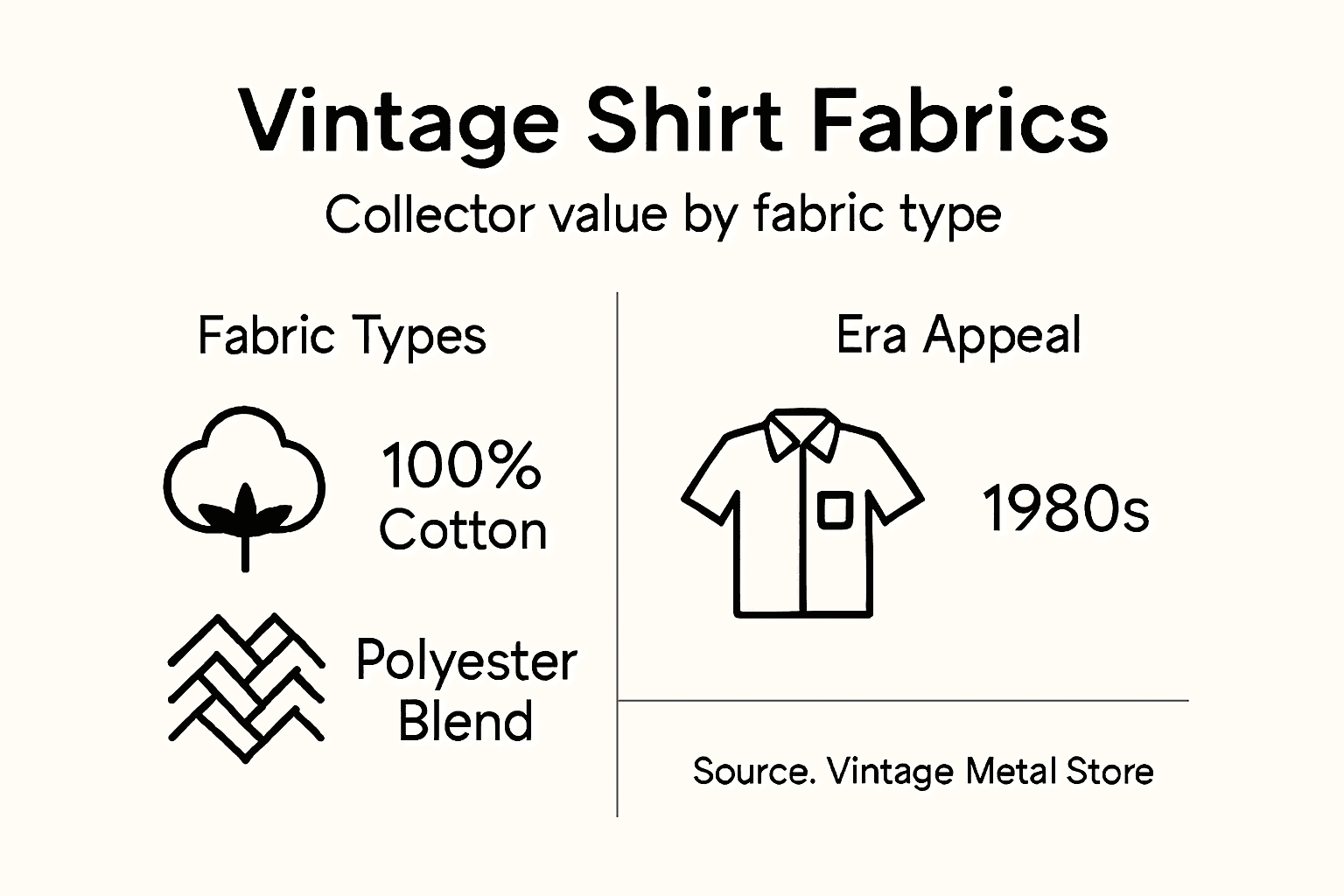
Pro tip: Always inspect the fabric’s weave, stitching, and printing technique to determine authentic vintage shirt quality.
Cotton, polyester, and fabric blends defined
Understanding the composition of vintage shirt fabrics requires deep knowledge of textile blending techniques. Fiber blending research reveals how different materials combine to create unique fabric characteristics that collectors value.
Vintage shirt fabric blends typically fall into several key categories:
- Pure Cotton: 100% natural fibres, soft and breathable
- Cotton-Polyester Blends: Typically 50/50 or 60/40 ratio
- Synthetic Dominant: Polyester over 65% of fabric composition
- Specialty Blends: Incorporating elastane, rayon, or nylon
The science behind fabric blending is intricate. Textile research demonstrates that combining natural and synthetic fibres creates materials with enhanced performance. Cotton provides comfort and breathability, while polyester contributes durability, wrinkle resistance, and reduced production costs.
Collectors often prefer vintage shirts with specific blend ratios that reflect authentic manufacturing periods. 1980s and 1990s heavy metal band shirts, for instance, typically featured cotton-polyester blends that balanced comfort with resilience. Understanding these subtle textile nuances helps collectors distinguish genuine vintage pieces from modern reproductions.
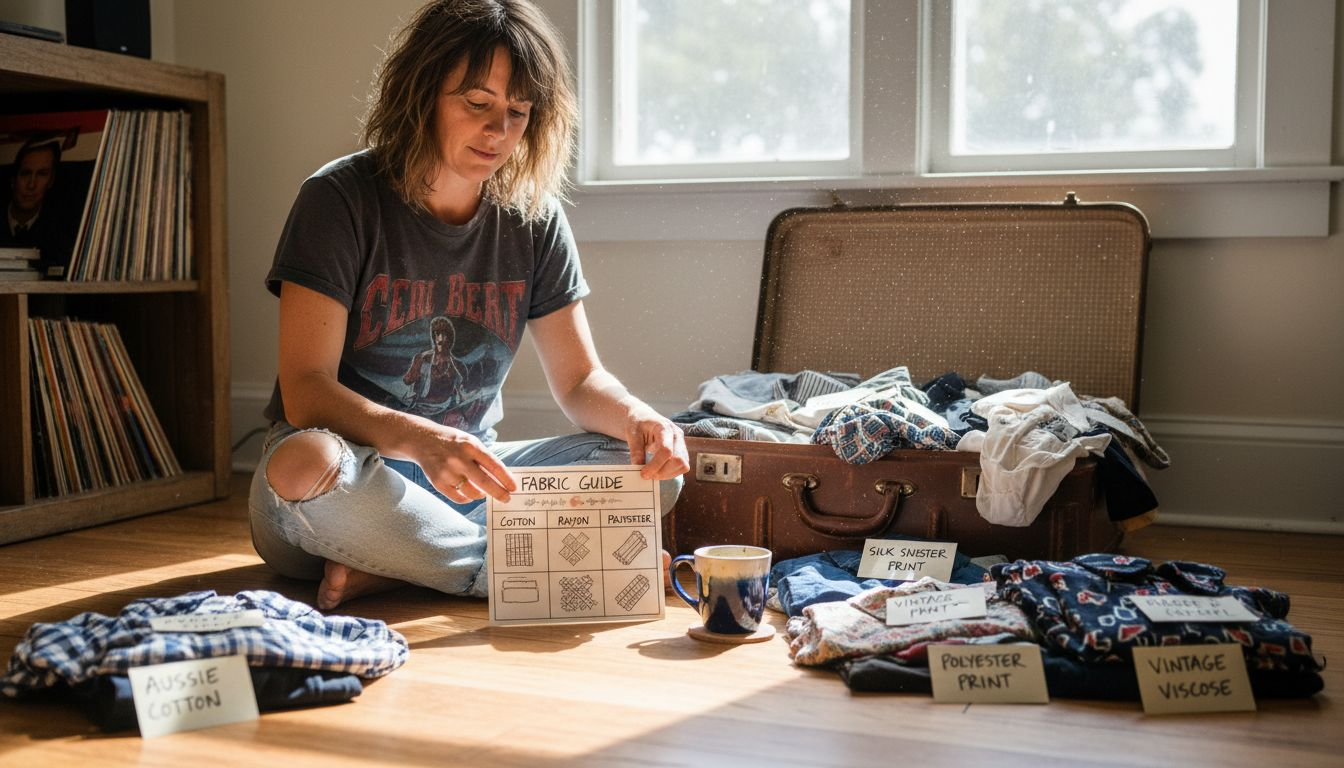
Here is a summary of common vintage shirt fabric types and their typical qualities:
| Fabric Type | Typical Era | Collector Appeal | Key Comfort Factor |
|---|---|---|---|
| Pure Cotton | 1970s–1990s | Highly prized for rarity | Breathable, soft texture |
| Cotton-Polyester Blend | 1980s–mid-90s | Sought for authenticity | Balanced comfort |
| Synthetic Dominant | Late 1990s onward | Less desirable | Wrinkle resistant |
| Specialty Blends | 1990s onward | Occasional interest | Flexible, lightweight |
Pro tip: Always examine the fabric blend label to verify the authentic textile composition of vintage shirts.
Longevity and comfort of vintage fabrics
Vintage band shirt collectors understand that fabric durability is more than just a technical specification - it’s a testament to musical history. Fabric longevity studies reveal critical insights into how different weave structures impact a shirt’s ability to survive decades of wear and preserve its original character.
Key factors determining vintage fabric longevity include:
- Thread Count: Higher counts indicate superior fabric strength
- Weave Type: Plain weaves typically outlast more complex patterns
- Fibre Composition: Natural fibres like cotton demonstrate better aging
- Storage Conditions: Proper preservation dramatically extends fabric life
Textile comfort research highlights the intricate relationship between fabric construction and wearer experience. The microclimate between skin and fabric plays a crucial role in determining how comfortable and wearable vintage shirts remain over time. Natural fibres excel in breathability, moisture management, and thermal regulation - qualities that make vintage cotton shirts particularly prized among collectors.
Heavy metal band shirt collectors specifically value shirts from the 1980s and early 1990s, recognising that these pieces represent a sweet spot of fabric technology. The cotton-polyester blends from this era balanced durability with comfort, creating textiles that could withstand intense concert experiences while maintaining their structural integrity.
Pro tip: Store vintage shirts flat and away from direct sunlight to preserve fabric integrity and prevent accelerated degradation.
Identifying genuine vintage materials
Authentic vintage heavy metal shirts are more than just collectibles - they’re historical artefacts with unique characteristics that set them apart from modern reproductions. Vintage authentication techniques reveal sophisticated methods for distinguishing genuine vintage textiles from contemporary imitations.
Key indicators of authentic vintage materials include:
- Natural Wear Patterns: Uneven fading and logical deterioration
- Original Stitching: Hand or single-stitch construction typical of older manufacturing
- Fabric Composition: Period-specific fibre blends and textures
- Label Characteristics: Original manufacturer tags with specific design elements
- Print Techniques: Screen-printing methods consistent with historical production
Antique identification research emphasises the importance of comprehensive material analysis. Collectors must examine not just visual elements, but also tactile qualities that reveal a shirt’s true origin. The subtle nuances in fabric weave, thread count, and printing techniques can expose whether a shirt is a genuine vintage piece or a modern reproduction.
Heavy metal band shirt collectors particularly focus on shirts from the 1980s and early 1990s, understanding that these periods represent a specific manufacturing era with distinctive textile characteristics. Examining fabric weight, print quality, and subtle manufacturing details becomes crucial in determining a shirt’s authenticity and collector value.
Pro tip: Invest in a high-quality magnifying glass to inspect stitching, fabric weave, and print details when authenticating vintage shirts.
Common mistakes with vintage shirt care
Preserving vintage heavy metal shirts requires more than casual attention - it demands specialised knowledge and meticulous care. Vintage clothing preservation techniques reveal critical mistakes that can irreparably damage these musical artefacts.
Most frequent vintage shirt care errors include:
- Aggressive Machine Washing: Destroys delicate fabric fibres
- Incorrect Water Temperature: Hot water causes fabric shrinkage and colour bleeding
- Harsh Chemical Treatments: Strong detergents weaken vintage textile integrity
- Improper Drying Methods: Tumble drying damages original fabric structure
- Inappropriate Storage: Using plastic covers or wire hangers
Vintage fabric care research emphasises the importance of minimal intervention. Collectors must understand that frequent washing accelerates fabric deterioration, particularly for delicate vintage shirts from the 1980s and early 1990s heavy metal scenes. Professional collectors recommend airing shirts between wears and addressing stains with extreme caution.
Heavy metal band shirt enthusiasts should treat each vintage piece like a historical document. Understanding the nuanced requirements of different fabric compositions - from pure cotton to complex blends - becomes crucial in maintaining the shirt’s structural and aesthetic integrity over decades of preservation.
This table highlights common mistakes and their impact on vintage shirts:
| Mistake | Impact on Shirt | Best Practice Suggestion |
|---|---|---|
| Hot water washing | Causes shrinkage, bleeding | Always use cold water |
| Tumble drying | Breaks fabric structure | Air dry shirts flat |
| Harsh detergents | Weakens fibres, fades print | Use gentle, pH-neutral detergent |
| Plastic storage covers | Promotes yellowing | Store in breathable cotton bags |
Pro tip: Use acid-free tissue paper when storing vintage shirts to prevent fabric degradation and preserve original print quality.
Unlock Authentic Vintage Fabric Quality with Rare Heavy Metal Shirts
Understanding the unique textile blends and authentic manufacturing techniques behind vintage heavy metal shirts can be challenging. You want to own shirts made from pure cotton or authentic cotton-polyester blends that bring the true spirit of the 1980s and 1990s heavy metal era to life. If you seek shirts with genuine fabric integrity, authentic stitching, and original printing methods that collectors prize, you can find these rare treasures waiting for you.

Explore our collection of Rare Vintage Heavy Metal Concert Shirts – Vintage Metal Store to discover exclusive pieces that meet your standards for fabric quality and authenticity. Start browsing All Shirts – Vintage Metal Store for a wide range of authentic finds or dive deeper into unique selections like Vintage Becoming the Archetype Band Shirts Australia – Vintage Metal Store. Don’t miss out on owning a piece of musical history. Visit https://vintagemetal.com.au today and secure your genuine vintage fabric masterpiece.
Frequently Asked Questions
What are the key characteristics of high-value vintage shirt fabrics?
High-value vintage shirt fabrics typically include 100% cotton, single-stitch construction, and unique weave patterns. Authentic printing techniques, such as screen-printing integrated with the fabric, are also critical for collector appeal.
How does fabric blend impact the collector value of vintage shirts?
Fabric blends significantly impact collector value. For example, pure cotton shirts are highly prized for their rarity, while cotton-polyester blends from the 1980s and 1990s are sought after for balancing comfort and durability.
What factors contribute to the longevity of vintage shirt fabrics?
Longevity in vintage shirt fabrics is determined by thread count, weave type, fibre composition, and storage conditions. Higher thread counts and natural fibres like cotton tend to age better, preserving the shirt’s structure and appearance.
How can I identify genuine vintage materials in band shirts?
To identify genuine vintage materials, look for natural wear patterns, original stitching, period-specific fabric compositions, and characteristic labels. Examining fabric weight, print quality, and detailed manufacturing elements can help ensure authenticity.
Recommended
- 7 Top Benefits of Vintage Band Tees for Collectors – Vintage Metal Store
- What Makes A Shirt Vintage: Keys For Collectors – Vintage Metal Store
- 7 Steps to the Ultimate Heavy Metal Shirts Buying Checklist – Vintage Metal Store
- How to Store Vintage Metal T Shirts for Lasting Quality – Vintage Metal Store


