



The best place to buy ringer band tees is a specialist vintage or ex-tour seller, with official licensed retailers as your second option for guaranteed new stock. Specialist sellers like Vintage Metal Store deal directly in authentic, deadstock and ex-tour ringer tees, which is exactly what serious collectors are chasing. The rest of this guide covers exactly what to check before you hand over your money.
TL;DR:
- Genuine vintage ringer tees are primarily sold by specialist vintage or ex-tour sellers, with licensed retailers offering mostly reproduction merchandise.
- Authentic shirts show specific features such as lighter fabric weight, single-needle trim stitching, natural print cracking, and explicit provenance details.
- Accurate sizing relies on garment measurements and fit comparison rather than size labels, as vintage cuts tend to be more fitted and different from modern shirts.
- Proper care, including cold washing and avoiding heat, can significantly extend the lifespan of the print and fabric, especially for rare or high-value pieces.
- Prices vary widely; vintage and ex-tour shirts command higher prices based on rarity, condition, and provenance, making price mismatches a red flag.
Table of Contents
- Where to buy ringer band tees: retailer types and what each offers
- What to check on the garment listing: fabric, print, authenticity and construction
- Sizing and fit: how ringer tees differ and how to pick a size online
- Care and maintenance for ringer tees and printed vintage shirts
- Quick buying checklist: the essential checks before you buy
- Publisher expertise and first-hand notes on vintage ringer tees
- Detailed size charts and measuring tips for accurate fit
- Price range and typical cost of ringer band tees
- Popular band designs and trends in ringer tees
- How to style ringer band tees with different outfits
- Return and refund policies when purchasing band tees
- Why fit and fabric matter more than the artwork
- Shop the collection: how Vintage Metal Store gets you into a genuine ringer tee
- Sources
- FAQ
Where to buy ringer band tees: retailer types and what each offers
Not every ringer tee seller is playing the same game, and knowing the difference saves you from an expensive mistake.
Official licensed retailers sell new stock with consistent sizing and artwork cleared directly through the artist’s estate or management. You’ll get reliable fit charts and a straightforward returns process, but you’re buying reproduction merchandise, not history. Listings from sellers such as Officialbandshirts present these as vintage-styled shirts with contrast collars and licensed artwork, which is a fair description of what you’re actually getting: new fabric cut in an old shape.
Specialist vintage sellers are where the real hunting happens. These sellers deal in genuine ex-tour stock, deadstock, and second-hand shirts with actual provenance, graded for condition and priced accordingly. Expect to pay more for a shirt that’s actually walked through a venue in 1994.
Marketplaces like Etsy widen your options considerably, hosting everything from custom prints to genuine handmade reproductions. Etsy Australia’s ringer band shirt listings show real variety in price and craftsmanship, but that variety cuts both ways: buyer diligence matters far more here than on a curated storefront.
A few things to check before checkout, regardless of seller type:
- Shipping timeframes and whether the seller ships to your region without extra customs surprises
- Return windows, especially for graded or “as-is” vintage stock
- Whether sizing is based on a modern chart or genuine vintage measurements
- Seller reputation and how long they’ve operated in the collector space
What to check on the garment listing: fabric, print, authenticity and construction
A good listing tells you almost everything before the shirt arrives, if you know what to look for.
Start with fabric weight. A true vintage drape comes from lighter, ringspun single-jersey cotton, generally 4 to 5 ounces, or 130 to 170 GSM. Anything heavier than 200 GSM feels stiffer and reads as a modern reproduction rather than something that spent the 90s in a tour van.
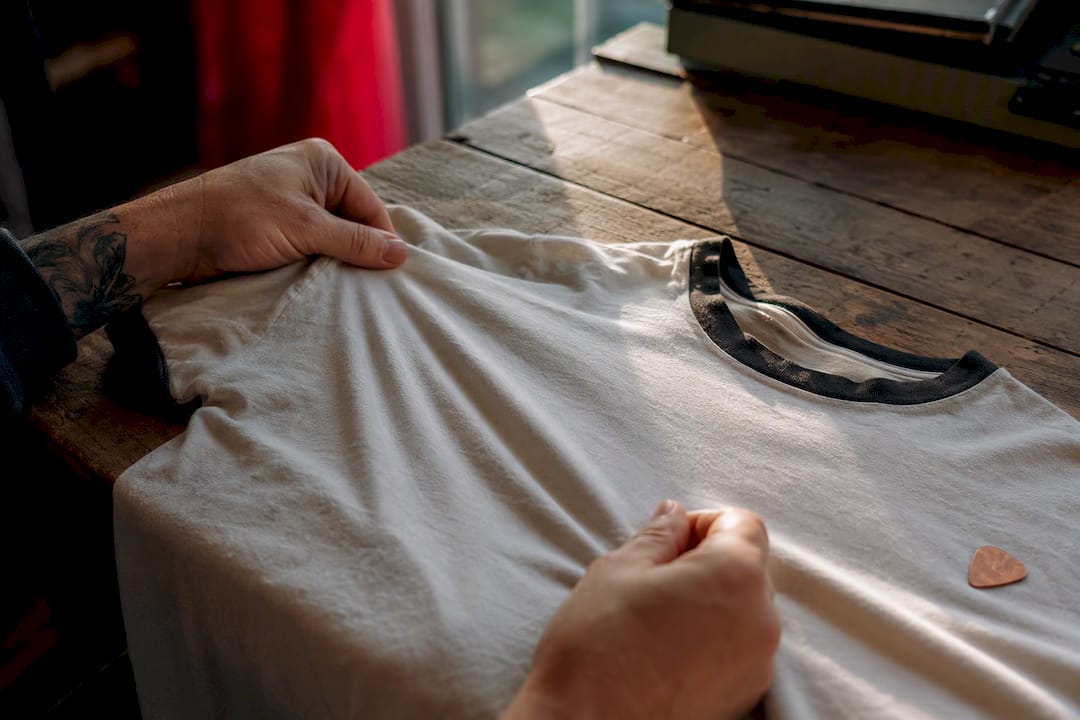
Trim construction matters too. Original ringer tees typically used simpler single-needle stitching on the collar and sleeve bands, while mass-market reproductions often show heavier double-needle work that looks a bit too clean for the era. Print method is another giveaway: original tour prints show natural cracking and fading consistent with age, while reproductions tend to have uniform, crisp edges with no wear pattern at all.
Provenance signals are what separate a good listing from a great one:
- Licence tags or estate credits printed on the neck label
- Specific tour dates rather than a generic “vintage style” claim
- Seller notes on where the shirt came from (ex-tour stock, estate sale, personal collection)
- Interior neck tag and hem label photos, not just a front-on shot
Pro Tip: Always ask the seller for close-up photos of the trim stitching and the interior tag before buying — a genuine specialist seller will have these ready, because they’ve already inspected the shirt themselves.
Sizing and fit: how ringer tees differ and how to pick a size online
Ringer tees run more fitted than a standard modern tee, and vintage 70s cuts differ again from what many shops market as “vintage style” today. A size Large from 1994 will not fit like a size Large off a current fast-fashion rack.
Here’s how to get it right without trying it on:
- Pull out a tee that already fits you well and lay it flat.
- Measure pit-to-pit, shoulder to hem, and sleeve length.
- Compare those numbers directly against the seller’s garment measurements, never the size label alone.
- Add a small allowance if the fabric is described as pre-shrunk or heavily washed vintage cotton.
- Factor in a touch of extra room if you plan on washing it regularly, since older cotton can shrink slightly more than modern blends.
Garment measurements beat size labels every time on vintage-inspired ringer cuts, where sizing conventions from decades ago simply don’t map onto today’s charts.
Care and maintenance for ringer tees and printed vintage shirts
A properly cared-for ringer tee can outlast its owner. A poorly cared-for one loses its print within a year.
- Wash cold, inside out, with a gentle detergent to protect the print and reduce fading.
- Skip the tumble dryer. Heat is the fastest way to crack a print or shrink a contrast collar out of shape.
- Air dry flat where possible, especially for anything graded as rare or ex-tour stock.
- Store folded rather than hung, to avoid stretching the collar and shoulder seams over time.
- For fragile or high-value deadstock pieces, consider archival tissue storage and keep them away from direct sunlight.
If a shirt is genuinely rare, treat washing as a rare event too. Some collectors only spot-clean their most valuable pieces rather than risk a full wash cycle.
Quick buying checklist: the essential checks before you buy
Before you commit to a purchase, run through this five-point check:
- Confirm licence details or provenance notes, and ask to see the neck tag if it’s not already photographed.
- Verify fabric weight against the GSM ranges typical of genuine vintage jersey.
- Compare garment measurements to a tee you already own, not just the labelled size.
- Request close-up photos of trim stitching and print detail if they’re missing from the listing.
- Check the returns policy and any restoration or repair notes before paying.
Skipping any one of these is how collectors end up with a shirt that looked perfect in photos and disappointing in person.
Publisher expertise and first-hand notes on vintage ringer tees
Vintage Metal Store specialises in vintage and second-hand heavy metal shirts, including ex-tour stock and deadstock from bands that toured decades ago. That specialism means every listing gets treated the way a collector would want it treated, not the way a general clothing retailer would.
Independent specialist shops that deal in ex-tour stock and deadstock tend to carry higher collector value precisely because these pieces are finite. Once a run of tour shirts is gone, there’s no reprint coming.
Items are checked and photographed with the details collectors actually care about:
- Interior neck tags and hem labels shot up close, not just implied
- Trim stitching and collar construction documented before listing
- Condition graded honestly, including any wear, fading or repairs
- Provenance notes included where the shirt’s tour or era history is known
You can see this approach in the vintage Metallica shirts collection, where tour-specific detail is part of the listing, not an afterthought.
Detailed size charts and measuring tips for accurate fit
A size chart is only useful if it’s built from the garment itself, not a generic template borrowed from a modern tee range.
Look for charts that list at least three flat measurements: chest width (taken pit-to-pit and doubled), body length (shoulder seam to hem), and sleeve length (shoulder seam to cuff). A genuine vintage-cut Medium often measures closer to a modern Small in chest width, because ringer tees were traditionally cut slim through the body with a slightly cropped length compared to today’s longline tees.
If a listing gives you a range like “chest 46cm, length 68cm, sleeve 20cm,” that’s a real, usable measurement. If it just says “fits true to size,” treat that as a warning sign rather than reassurance.
Measuring your own reference tee takes two minutes and removes almost all the guesswork:
- Lay the tee flat on a table with no stretching.
- Measure straight across the chest, one inch below the armpit, then double it.
- Measure from the highest point of the shoulder seam down to the hem.
- Measure from the shoulder seam to the end of the sleeve cuff.
Write these three numbers down and keep them handy every time you shop, because they’re the fastest way to judge fit across different sellers without relying on inconsistent size labels.
Price range and typical cost of ringer band tees
Ringer band tees span a wide price bracket depending on what you’re actually buying. New, officially licensed reproductions sit at the affordable end, generally in line with standard branded merchandise pricing, since they’re mass-produced on current-run fabric.
Genuine vintage and ex-tour pieces cost considerably more, and the price climbs with rarity, condition, and the notoriety of the tour itself. A shirt tied to a landmark tour, in strong condition with clear provenance, commands a premium that a generic vintage-style tee simply won’t reach. Deadstock, meaning shirts that were printed but never sold or worn, tends to sit at the top of that range because supply is fixed and demand only grows as decades pass.
Marketplace listings on platforms like Etsy sit somewhere in between, with handmade or custom ringer shirts priced according to the individual maker’s materials and labour rather than any standardised scale.
The practical takeaway: if a “rare vintage” ringer tee is priced suspiciously close to a brand-new reproduction, that mismatch is worth questioning before you buy.
Popular band designs and trends in ringer tees
Classic ringer silhouettes with contrast collars have made a genuine comeback, and heavy metal is leading a lot of that renewed interest. Metallica remains one of the most searched and collected names in the category, spanning eras from early thrash-era tour shirts through to Black Album and Load-era merchandise.
Alongside the metal giants, there’s steady demand for tees tied to specific, well-documented tours rather than generic “band name plus logo” designs. Collectors increasingly want a shirt that says something specific: a tour year, a support act, a city. That’s part of why ex-tour and deadstock pieces are outpacing generic reproductions in collector interest, even when the reproduction is cheaper and easier to find.
Australian metal acts are also carving out their own collector niche, with local bands drawing dedicated followings that mirror the same provenance-hunting behaviour seen with international acts. Retro retailers frame these designs as vintage reproductions printed on premium cotton, which tells you the aesthetic itself, contrast trim plus faded band artwork, is firmly back in fashion regardless of whether the shirt is forty years old or forty days old.
How to style ringer band tees with different outfits
A ringer tee works because it sits at the intersection of casual and statement piece, and that flexibility is exactly why it’s stuck around for decades.
For a straightforward daytime look, pair a ringer tee with straight-leg or slightly flared denim and worn-in sneakers. The contrast collar does a lot of the visual work here, so keep the rest of the outfit simple rather than competing with it.
Layering is where ringer tees really shine. Throw one under an open flannel or a denim jacket for cooler weather, letting the collar and a slice of the print peek through. This works particularly well with faded, vintage-toned tees where the muted colour palette sits naturally against darker outer layers.
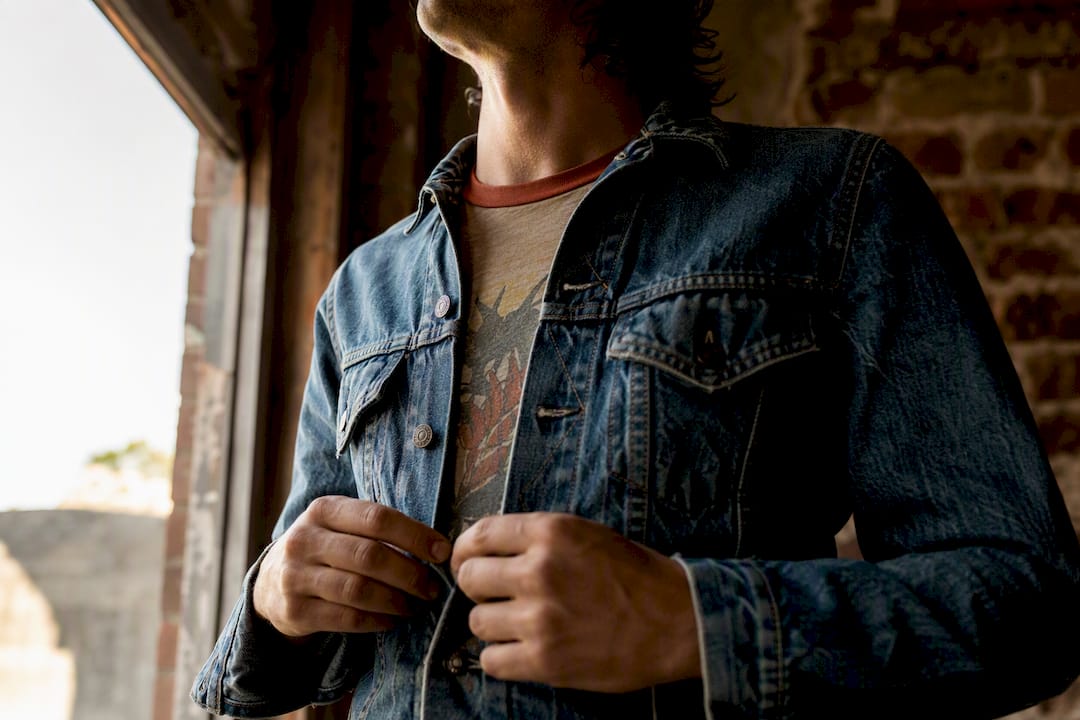
For a slightly dressed-up take, a ringer tee under a tailored jacket creates a deliberate contrast between rock heritage and structured tailoring, a combination that’s become a genuine street-style staple rather than a novelty.
Fit matters more than usual here. Because ringer tees run fitted through the body, sizing up slightly gives you room to tuck or half-tuck without the shirt looking stretched across the print.
Return and refund policies when purchasing band tees
Return policies vary enormously depending on whether you’re buying new reproduction stock or genuine vintage and ex-tour pieces, and it pays to know the difference before you order.
New licensed reproductions typically follow standard retail returns, meaning a defined window for exchange or refund if the size doesn’t work or the item arrives faulty. These policies are usually spelled out clearly because the stock is uniform and easy to replace.
Vintage and ex-tour pieces work differently. Because each item is individually graded and often one-of-a-kind, sellers frequently list items as sold “as described” with condition notes rather than offering the same open-ended exchange terms. This isn’t a red flag on its own, but it does mean the listing’s condition notes and photos carry more weight than they would with mass-produced stock. A reputable specialist seller will still stand behind genuine faults or misdescriptions, just within different terms than a fast-fashion retailer.
Before buying anything described as rare, ex-tour, or deadstock, read the specific returns wording on that listing rather than assuming a blanket policy applies. Marketplace sellers, in particular, can vary return terms shirt to shirt, so check each listing individually rather than relying on platform-wide assumptions.
Why fit and fabric matter more than the artwork
Most buyers obsess over the print and barely glance at the fabric spec, which is backwards if you actually care about authenticity. Anyone can slap a photo of a band onto cotton. Getting the drape, the collar construction, and the weight right is what actually separates a considered vintage-style ringer tee from a cheap knockoff wearing the same graphic.
The conventional advice out there leans hard on “check the print quality” and stops there. That’s incomplete. A crisp, perfect print is often the tell that you’re looking at a reproduction, not the reassurance buyers assume it is. Real ex-tour shirts show wear, slight colour drift, and construction quirks that mass production simply doesn’t replicate.
If you take one thing from this guide, prioritise garment measurements and fabric weight over marketing copy. Sellers can call anything “vintage style,” but a 130 GSM ringspun jersey with honest stitching tells you more than any product description ever will. Trust the fabric in your hands over the story in the listing.
— David
Shop the collection: how Vintage Metal Store gets you into a genuine ringer tee
Vintage Metal Store carries exactly the category this guide has been talking about: rare ex-tour stock, deadstock, and curated vintage ringer tees from bands that actually toured, not reproductions dressed up with vintage language.
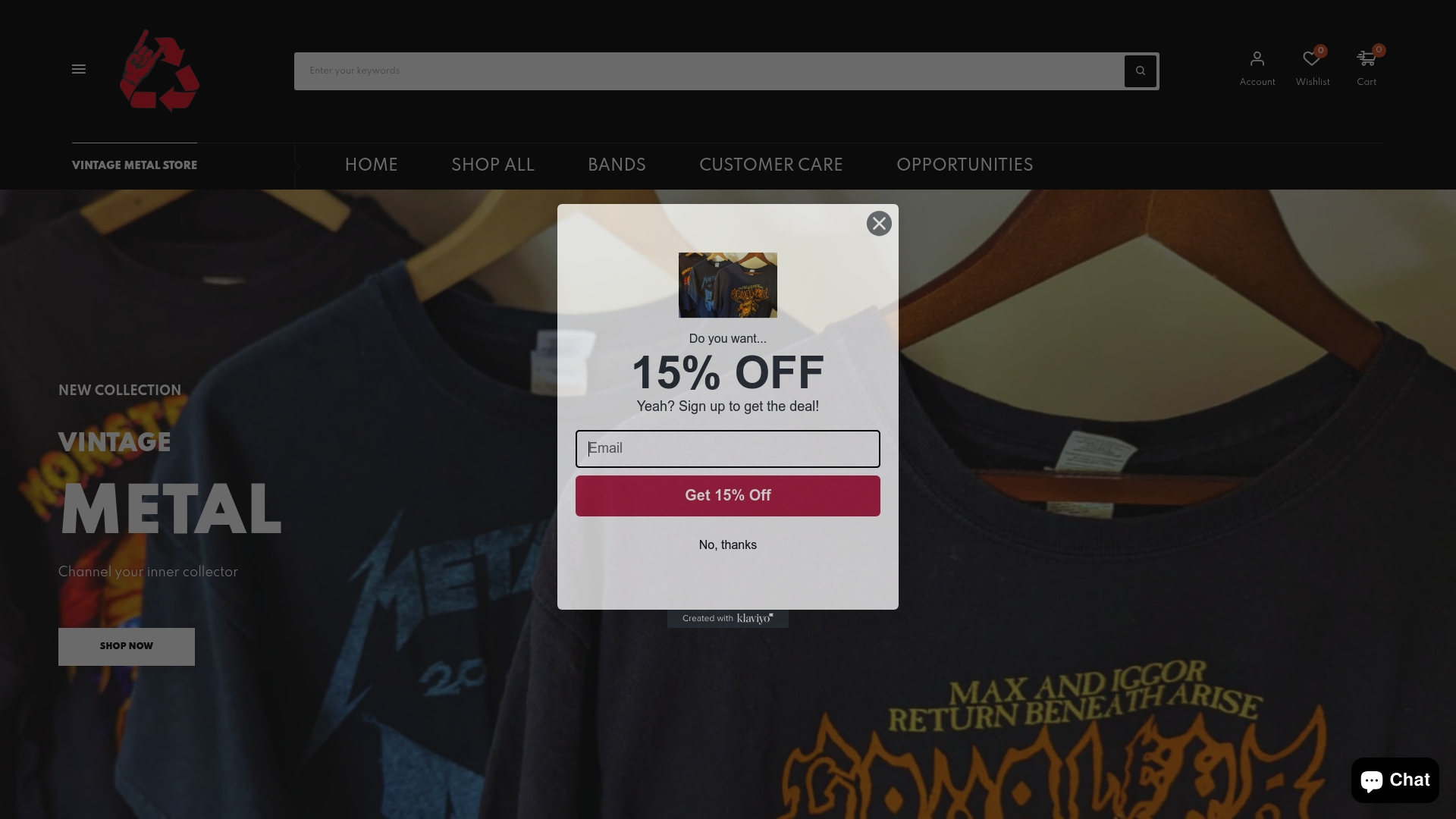
The collection spans everything from thrash-era Metallica shirts to Australian metal acts that rarely turn up anywhere else, including pieces like the rare Metallica 1992 tour tee and the Toxicon Australian metal band shirt. Every listing includes the garment measurements and condition notes this guide recommends checking, so you’re not guessing at fit or provenance. If you’ve got a specific question about a shirt’s history or trim construction, reach out directly before buying rather than assuming.
Browse the full vintage Metallica shirts collection or check current rare vintage heavy metal concert shirts to see what’s currently in stock, and grab the piece before someone else does. Stock on genuinely rare tour shirts doesn’t get replenished.
Sources
For fabric and fit guidance, see ringer tee styling and GSM advice and garment measurement tips for vintage cuts. For broader collector culture, read MusicStreet’s feature on rock relics and Vintage Metal Store’s own piece on what makes a band tee.
FAQ
Where Can I Buy Ringer Band Tees?
Specialist vintage sellers like Vintage Metal Store carry genuine ex-tour and deadstock ringer tees, while official licensed retailers and marketplaces such as Etsy offer new reproductions and handmade options.
What Is the Rarest Band Tee?
Rarity generally comes down to limited-run deadstock or ex-tour shirts tied to a specific, well-documented tour, since these were never reprinted and supply is fixed permanently.
What Is the Best Ringer T-Shirt?
The best ringer tee combines lighter ringspun jersey fabric, around 130 to 170 GSM, with honest trim construction and, ideally, genuine provenance rather than a generic vintage-style print.
Are Ringer T-Shirts in Style?
Yes. Contrast-collar ringer silhouettes have made a strong comeback, with heavy metal and classic rock designs driving much of the renewed collector and fashion interest.
What Are Ringer Tees?
Ringer tees are t-shirts with a contrasting collar and sleeve trim, historically popular and now closely associated with vintage band and tour merchandise.
Recommended


