


TL;DR:
- Shirt fabric quality depends on fiber type, weave, and yarn construction, influencing comfort and durability. Cotton offers breathability, polyester provides durability, and linen excels in airflow, with blends balancing these traits. Weave affects formality and texture, while yarn count, ply, and GSM indicate overall quality and suitability for climate.
Shirt fabric differences are defined by three factors: fibre type, weave structure, and yarn construction. Together, these determine how a shirt feels against your skin, how long it lasts, and whether it suits a boardroom or a backyard. Cotton, polyester, linen, and their blends each carry measurable properties, including moisture regain, abrasion resistance, and GSM weight, that directly affect comfort and care. Understanding shirt fabric types gives you the knowledge to build a wardrobe that actually works for your life, your climate, and your style.
What are the differences in shirt fabrics by fibre type?
The fibre is the foundation of every shirt. It determines how the fabric breathes, how it ages, and how it smells after a long day.
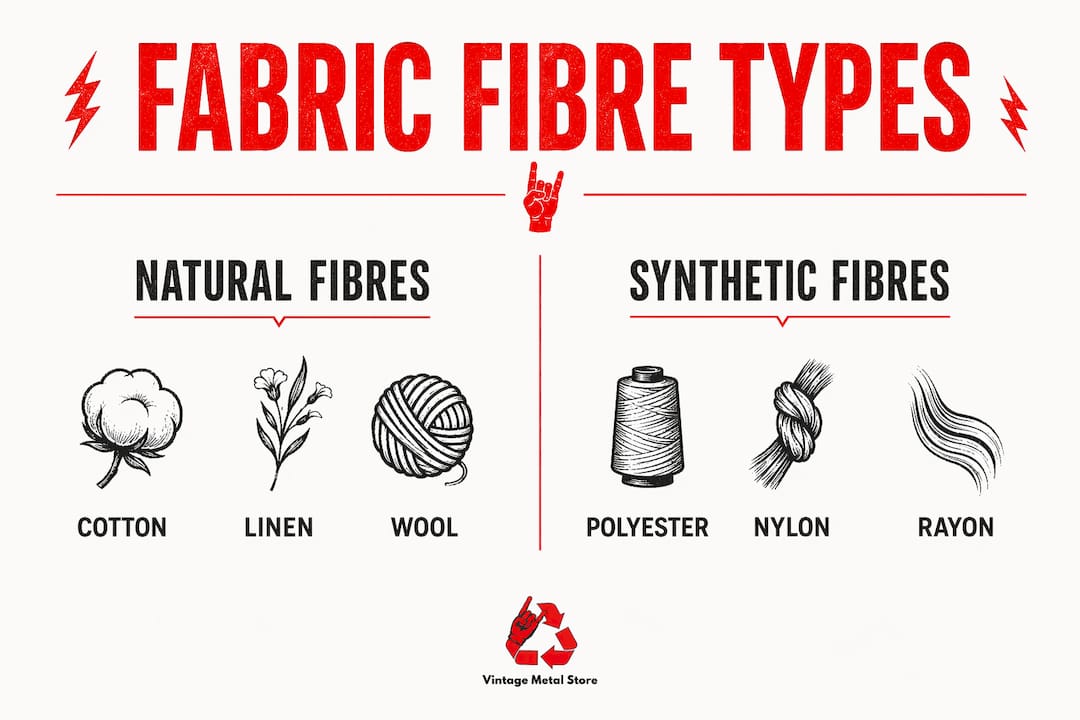
Cotton is the most widely worn shirting fibre for good reason. It carries a moisture regain of 7–8.5%, meaning it actively absorbs sweat away from your skin. That absorption is what makes cotton feel comfortable in warm weather and during moderate activity. The trade-off is that cotton wrinkles easily and offers lower abrasion resistance than synthetics.
Polyester sits at the opposite end of the comfort spectrum. Its moisture regain is roughly 0.4%, which means sweat stays on your skin rather than being drawn into the fabric. That hydrophobic nature creates a wet, clammy feeling during physical activity. Polyester does, however, resist abrasion at 30,000+ Martindale cycles compared to cotton’s 10,000–20,000 cycles, making it significantly more durable under repeated wear and washing.
Linen is the breathability champion of common shirting fibres. It carries a moisture regain of approximately 12%, the highest of the three, which contributes to the cool, airy feeling linen shirts are known for. The downside is real: linen has very low elastic recovery, so it wrinkles aggressively and holds those creases. It is a fabric that rewards a relaxed attitude toward presentation.
- Cotton: 7–8.5% moisture regain, comfortable, wrinkle-prone, moderate durability
- Polyester: ~0.4% moisture regain, durable, wrinkle-resistant, odour-retaining
- Linen: ~12% moisture regain, highly breathable, wrinkles aggressively
- Blends: combine properties of two or more fibres to balance trade-offs
One underappreciated issue with polyester is odour. Polyester retains sweat odour more than cotton because its hydrophobic surface traps oily residues where bacteria thrive. Cotton absorbs and releases moisture more freely, which reduces bacterial build-up over time.
Pro Tip: If you run warm or live in a humid climate, prioritise cotton or linen over polyester for everyday shirts. Reserve polyester blends for occasions where wrinkle resistance matters more than breathability.
How do weave types affect shirt formality and texture?

The weave is how threads are interlocked to form the fabric. Two shirts made from identical cotton yarn can look and feel completely different depending on their weave. Weave affects texture, sheen, drape, and how the shirt holds up over time.
Poplin is the most formal weave in standard shirting. Its plain, tight weave produces a smooth surface with a subtle sheen that reads as crisp and polished. Poplin is the default choice for business dress shirts and formal occasions. It is lightweight, which also makes it a strong summer option.
Oxford cloth uses a basket weave structure that creates a visible, textured surface. It is more casual than poplin and noticeably more durable due to the thicker yarns and looser construction. Oxford shirts are the backbone of smart-casual dressing. They hold their shape well and soften attractively with repeated washing.
Twill weave creates a diagonal rib pattern on the fabric surface. This structure gives twill shirts a softer hand feel and natural wrinkle resistance compared to poplin. Twill sits between poplin and oxford in terms of formality, making it a genuinely versatile choice for shirts that need to work across multiple settings.
| Weave | Texture | Formality | Durability |
|---|---|---|---|
| Poplin | Smooth, slight sheen | Formal | Moderate |
| Oxford | Textured, matte | Casual | High |
| Twill | Diagonal rib, soft | Casual to formal | Good |
| Pinpoint | Fine, smooth | Semi-formal | Moderate |
| Herringbone | V-pattern, soft | Smart casual | Good |
Pinpoint oxford uses finer yarns than standard oxford, producing a smoother surface that sits closer to poplin in formality while retaining some oxford texture. Herringbone creates a distinctive V-shaped pattern and a soft drape that works well for smart-casual shirts. Understanding how shirt material affects print quality is also worth knowing if you are buying printed or graphic shirts, as weave tightness directly affects how well ink bonds to the surface.
Pro Tip: Match your weave to your occasion before you consider colour or pattern. A beautifully coloured shirt in the wrong weave will always look slightly off.
What do yarn count, ply, and GSM tell you about shirt quality?
These three technical measures are the clearest indicators of shirt quality. They are not marketing language. They are measurable properties that predict how a shirt will feel and last.
Yarn count, expressed as Ne (Number English), measures yarn fineness. Higher yarn counts indicate finer yarns that produce softer, lighter fabrics suited to more formal shirts. A count of 80s is considered good quality. Counts of 120s to 200s are found in luxury shirtings. The finer the yarn, the more delicate the fabric, so very high counts require careful laundering.
Ply refers to how many individual yarns are twisted together to form the thread used in weaving. Two-ply yarn significantly improves strength and pilling resistance compared to single-ply yarn of the same count. High-quality cotton shirtings commonly use two-ply yarns with counts ranging from 80s to 200s. That combination of fineness and strength is what separates a premium dress shirt from a budget one.
- Single-ply: lighter, less expensive, more prone to pilling over time
- Two-ply: stronger, more durable, better resistance to pilling and wear
- Yarn count 40s–60s: everyday casual shirts, robust and affordable
- Yarn count 80s–120s: quality dress shirts, soft and well-structured
- Yarn count 140s–200s: luxury shirtings, very fine and delicate
Fabric weight, measured in GSM (grams per square metre), ranges from roughly 100 to 220 g/m² for shirting. Lightweight fabrics around 100–150 g/m² suit summer wear and breathe well. Heavier fabrics above 180 g/m² provide warmth and structure for cooler months. GSM is not a quality indicator on its own. It is a suitability indicator based on climate and occasion.
How do fabric blends combine properties for everyday shirts?
A fabric blend mixes two or more fibres to capture the strengths of each. The most common shirting blend combines cotton and polyester, and the trade-offs are worth understanding before you buy.
Cotton-polyester blends at 60/40 or 65/35 ratios offer wrinkle resistance and durability that pure cotton cannot match, while retaining some of cotton’s softness and breathability. These blends are the practical choice for shirts that need to look presentable after a full day without ironing. They also wash and dry faster than pure cotton.
The trade-off is feel. Blended fabrics sacrifice the natural, breathable quality of pure cotton for performance benefits. In warm weather, a 65/35 polyester-cotton shirt will feel warmer and less comfortable than a comparable pure cotton shirt. Modern blends have improved significantly, but the fundamental physics of polyester’s low moisture regain still apply.
- Best for wrinkle resistance: polyester-cotton blends (65/35 or 60/40)
- Best for breathability: pure cotton or linen
- Best for durability: polyester-dominant blends or two-ply cotton
- Best for luxury feel: high-count two-ply pure cotton
Experts note that modern polyester is not inherently low quality. Blends help combine natural softness with synthetic performance in ways that were not possible a generation ago. The key is reading the fibre ratio and understanding what you are prioritising.
Pro Tip: Check the fibre ratio label before buying a blend. A shirt labelled “cotton-rich” may still be 40% polyester. Know what you are getting.
How to choose the right shirt fabric for your needs
Choosing the right fabric comes down to three questions: Where are you wearing it? How hot or cold is it? How much time do you want to spend on care?
-
Hot climates and summer: Choose lightweight cotton poplin (100–150 g/m²) or linen. Both offer high moisture regain and breathability. Linen wrinkles, but it keeps you cooler than any synthetic option. Tailors consistently recommend loose-weave natural fibres for hot conditions over synthetics that restrict airflow.
-
Formal occasions: Poplin or pinpoint oxford in two-ply cotton with a yarn count of 80s or above. These fabrics look sharp, drape well, and signal quality. Avoid oxford cloth for formal events as its texture reads as too casual.
-
Smart-casual and everyday wear: Oxford cloth or twill in cotton or a cotton-polyester blend. These fabrics handle repeated wear well, soften with washing, and do not demand careful ironing. They are the workhorses of a practical wardrobe.
-
Low-maintenance and travel: A 60/40 or 65/35 cotton-polyester blend in a twill or poplin weave. Wrinkle resistance is built into the fibre, so these shirts pack well and recover quickly. The comfort trade-off is real but manageable for short periods.
-
Collectors and vintage shirts: Pay attention to the fabric types used in original production runs. Fabric types in 1990s band shirts often reflect the manufacturing standards of their era, which affects both feel and collectability. Understanding yarn construction helps you assess authenticity and condition.
Air permeability, the measure of how freely air passes through a fabric, depends on weave tightness, yarn count, and fabric weight per ISO 9237 standards, not fibre type alone. A tightly woven cotton poplin can breathe less freely than a loosely woven polyester mesh. Construction matters as much as fibre.
Key takeaways
Shirt fabric quality is determined by fibre type, weave structure, yarn count, ply, and GSM weight working together, not by any single factor in isolation.
| Point | Details |
|---|---|
| Fibre type sets the baseline | Cotton absorbs moisture, polyester resists wear, and linen breathes best in heat. |
| Weave defines formality | Poplin is the most formal weave; oxford and twill suit casual and smart-casual settings. |
| Yarn count and ply signal quality | Two-ply yarns with counts of 80s or above indicate durable, premium shirting. |
| GSM guides climate suitability | Lightweight fabrics (100–150 g/m²) suit summer; heavier weights suit cooler months. |
| Blends balance trade-offs | Cotton-polyester blends improve wrinkle resistance but reduce breathability compared to pure cotton. |
Why fabric knowledge changes how you see every shirt
I have spent years handling vintage shirts, and the thing that consistently surprises people is how much the fabric tells you. Pick up a genuine 1990s tour shirt and you feel the difference immediately. The cotton weight, the yarn structure, the way it has softened with age. That is not nostalgia talking. That is fabric science you can feel with your hands.
The biggest misconception I see among collectors and fashion enthusiasts is treating natural fibres as automatically superior. Linen wrinkles so aggressively it can look unkempt within an hour. Very high-count cotton is beautiful but fragile. Polyester blends, when done well, are genuinely practical and have earned their place in a real wardrobe. The goal is not purity. The goal is fit for purpose.
What I find most interesting in 2026 is the renewed appreciation for high-ply, high-count natural cotton in premium shirts. Collectors who understand vintage versus reissue construction are applying the same yarn and weave knowledge to assess modern shirts. That crossover between collector instinct and textile science is where the most interesting conversations happen.
My honest advice: stop chasing the “best” fabric in the abstract. Learn what each fibre and weave actually does, then match that to your life. A well-chosen 65/35 blend shirt you wear confidently every week beats a luxury cotton shirt you are afraid to wash.
— David
Vintage Metal Store: where fabric quality meets metal history
Every shirt in the Vintage Metal Store collection carries its own fabric story. These are not reprints or fast-fashion approximations. They are genuine ex-tour stock and deadstock pieces from heavy metal’s greatest eras, made when shirting quality was built to survive the road.

Whether you are after a rare Metallica 1992 tour tee with the weight and cotton construction of the era, or you want to browse the full vintage Metallica shirts collection, Vintage Metal Store gives you access to pieces that embody everything this article covers. Real fibres, real construction, real history. Shop the collection and wear the legacy.
FAQ
What is the most breathable shirt fabric?
Linen is the most breathable common shirting fibre, with a moisture regain of approximately 12%. Lightweight cotton poplin is the most practical breathable option for formal and everyday wear.
Is cotton or polyester better for shirts?
Cotton suits comfort and moisture management, while polyester excels in durability and wrinkle resistance. The right choice depends on your climate, activity level, and how much you value easy care over natural feel.
What does yarn count mean for shirt quality?
Yarn count (Ne) measures yarn fineness. Higher counts produce softer, lighter fabrics. Counts of 80s and above, combined with two-ply construction, indicate quality shirting with good durability and a refined feel.
What is the best fabric for dress shirts?
Poplin in two-ply cotton with a yarn count of 80s or higher is the standard choice for dress shirts. It offers a smooth surface, subtle sheen, and a crisp appearance suited to formal occasions.
Do fabric blends wrinkle less than pure cotton?
Yes. Cotton-polyester blends at 60/40 or 65/35 ratios offer significantly better wrinkle resistance than pure cotton. The polyester component holds its shape through heat-set fibres, reducing the need for ironing after washing.
Recommended
- How to organise your heavy metal shirt collection: 4 steps – Vintage Metal Store
- Identifying Dead Stock Heavy Metal Shirts Step-by-Step – Vintage Metal Store
- Top Fabrics for Vintage Shirts: Collector Value Explained – Vintage Metal Store
- Fabric types in 1990s band shirts: a collector’s guide – Vintage Metal Store


