



Not all vintage heavy metal tees are valuable, but some from the 1990s now fetch prices rivaling luxury brands, surprising many collectors. Original band t-shirts from iconic metal tours and concerts have seen dramatic appreciation, with rare pieces selling for thousands rather than dozens of dollars. This surge reflects nostalgia, scarcity, and a passionate collector base willing to pay premium prices for authentic pieces. Understanding what drives this appreciation helps collectors make smarter buying and selling decisions in a market where rarity and provenance matter more than age alone.
Table of Contents
- Introduction To Vintage Heavy Metal Tees And Their Rising Value
- The Core Drivers Behind Value Appreciation
- Quantitative Insights: High-Value Bands And Market Data
- Common Misconceptions And What Collectors Often Get Wrong
- Comparing Vintage Heavy Metal Tees To Modern Merch
- Practical Guide For Collectors And Enthusiasts
- Summary And Final Thoughts On Heavy Metal Tee Appreciation
- Explore Authentic Vintage Heavy Metal Tees And Collectibles
- Frequently Asked Questions
Key Takeaways
| Point | Details |
|---|---|
| Rarity drives premium prices | Authentic 1990s heavy metal tees with limited production command significantly higher resale values than mass-produced modern merch. |
| Nostalgia fuels demand | Emotional connections to 1990s metal culture create strong collector interest, pushing prices upward as fans seek tangible concert memories. |
| Condition is critical | Well-preserved tees with intact prints and original tags sell for multiples more than damaged pieces, even from the same tour. |
| Celebrity endorsement effect | Fashion industry adoption and celebrity wearing of vintage metal tees transforms them from memorabilia into sought-after cultural artifacts. |
| Modern merch depreciates | Mass-produced contemporary band merchandise typically loses value quickly due to oversupply and lower material quality compared to vintage pieces. |
Introduction to Vintage Heavy Metal Tees and Their Rising Value
Vintage heavy metal tees are original band merchandise, primarily from the 1990s metal and related rock genres, produced during tours or for specific album releases. The 1990s merch landscape featured limited print runs, tour-exclusive designs, and a growing metal subculture that treated concert tees as badges of identity. Unlike today’s mass-produced merchandise, these shirts were printed in smaller quantities and distributed primarily at venues or through limited mail-order channels.
Recent market tracking over the past decade shows why vintage heavy metal shirts matter has become a serious question for collectors. Rising values directly link to fan nostalgia, as adults who attended concerts in their youth now possess disposable income and desire tangible connections to formative experiences. This emotional investment transforms simple clothing into prized collectibles worth significantly more than their original retail price.
Rarity caused by limited original production and the reality that few tees survive in excellent condition creates genuine scarcity. According to band merch value trends, vintage band merchandise appreciates because it combines rarity, cultural impact, and strong fan demand, with limited editions and tour-exclusive items gaining the most appreciation. Several factors contribute to this appreciation:
- Limited production runs that cannot be replicated
- Deterioration of existing stock through normal wear
- Growing collector base competing for finite supply
- Increased market awareness and valuation knowledge
- Fashion crossover bringing new buyer demographics
The Core Drivers Behind Value Appreciation
Rarity stands as the foundation of value appreciation in vintage heavy metal tees. Tour-exclusive shirts produced only for specific concert dates or venues exist in extremely limited quantities. Many bands printed just enough inventory for tour merchandise tables, creating natural scarcity that intensifies decades later. Rarity in heavy metal tees becomes especially pronounced when original stock was modest and subsequent wear reduced surviving pieces.
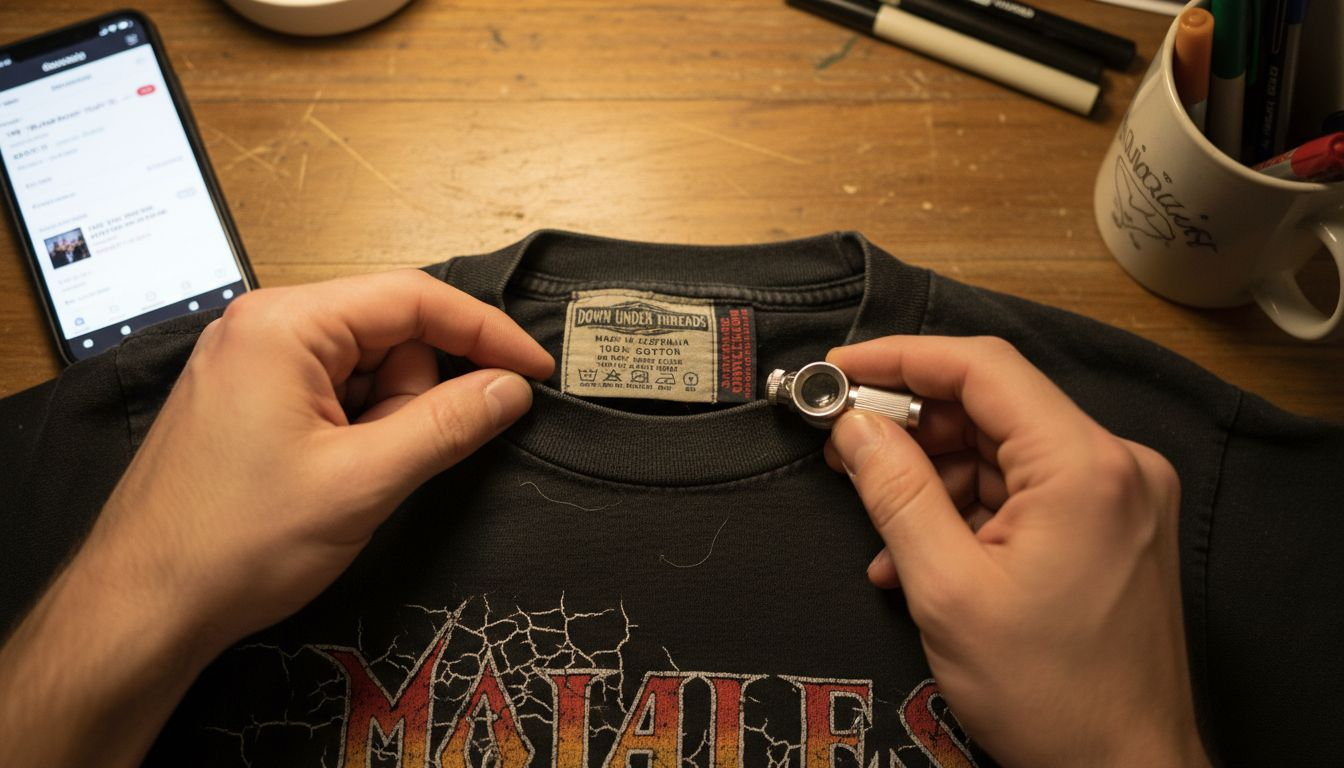
Authenticity proves crucial in determining value. Original screen prints using period-appropriate techniques, correct era tags, and proper construction details separate genuine vintage pieces from reproductions. Collectors scrutinize copyright dates, tag manufacturers, and print methods to verify legitimacy. A single-stitch collar or specific tag style can confirm or disqualify a tee’s authenticity, dramatically affecting price.
Cultural impact elevates certain bands and tours above others. Metallica, Nirvana, and Soundgarden achieved historical significance that transcends music, representing cultural moments and generational identity. Shirts from landmark tours or pivotal album cycles carry additional weight beyond musical appreciation. The metal community’s enduring passion ensures continued demand for artifacts representing these cultural touchstones.
Nostalgia functions as the emotional engine driving premium prices. Nostalgia driving band merch demand research shows fans seeking to relive concert experiences and cultural moments from the 1980s and 1990s, increasing the merch’s emotional and monetary value. This psychological factor makes collectors willing to pay substantial premiums for pieces that reconnect them with formative life experiences.
Fashion crossover amplified values unexpectedly. When celebrities and fashion influencers began wearing vintage band tees as style statements, demand surged beyond traditional metal fans. This mainstream adoption created new buyer competition, pushing prices higher and establishing vintage metal tees as legitimate fashion collectibles alongside streetwear and designer pieces.
Pro Tip: Research specific tour dates and venues when evaluating vintage tees, as regional exclusives or opening night merchandise often command higher premiums due to extreme rarity.
Quantitative Insights: High-Value Bands and Market Data
Specific bands dominate the high-value vintage tee market. Metallica leads with tour shirts from the 1990s Load and Reload eras fetching premium prices. Nirvana merchandise, particularly pre-Nevermind items, achieves remarkable values due to Kurt Cobain’s cultural impact and the band’s limited touring window. Soundgarden’s early tour shirts represent grunge era authenticity that collectors prize.
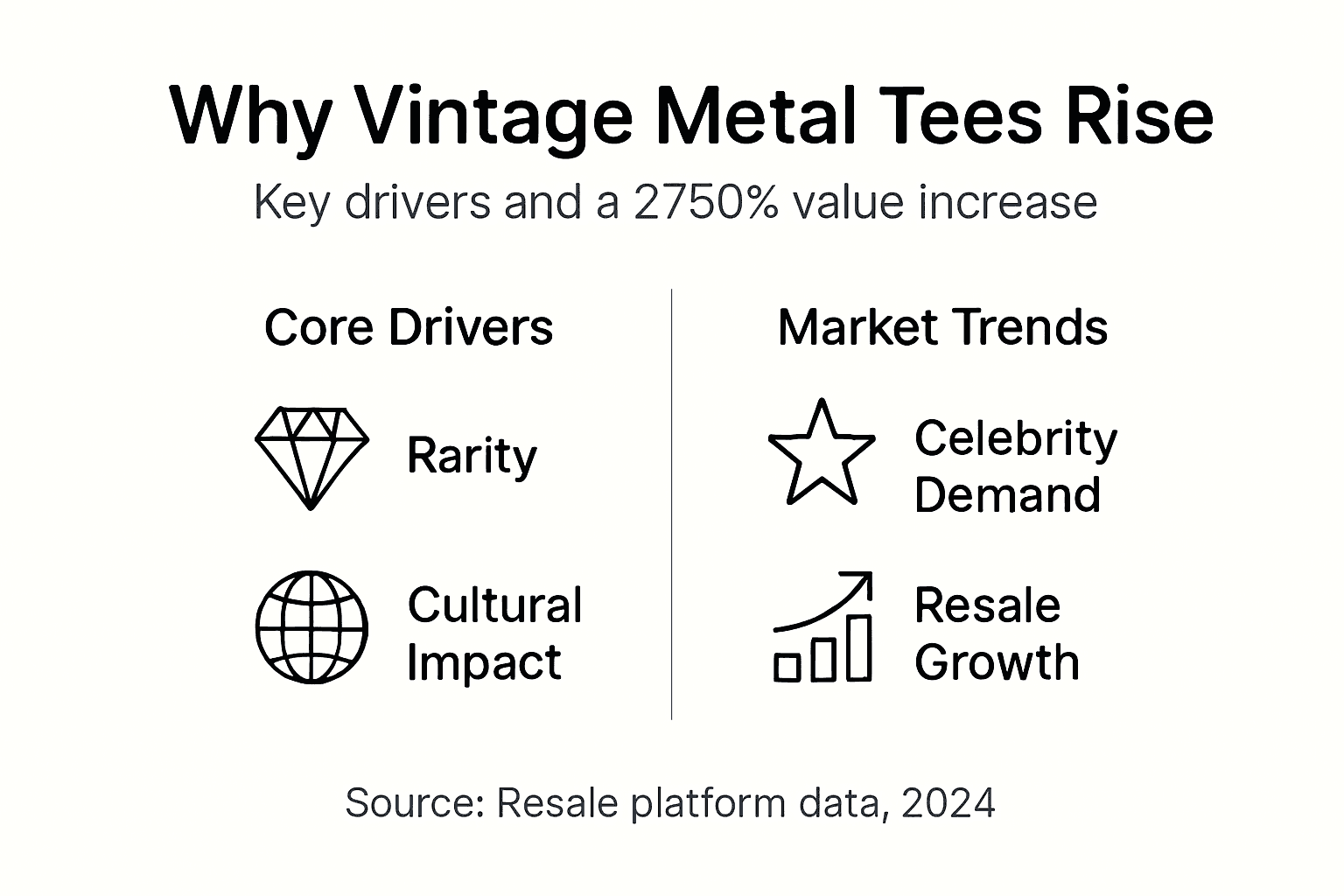
Recent sales data provides concrete evidence of appreciation. According to resale prices for vintage band shirts, top heavy metal and related band tees like Metallica’s 1996 Load tour and Soundgarden’s 1989 Louder Than Love tour shirt fetch resale prices above $1,200, establishing a precedent for 1990s metal tee investment potential. The highest tier rare pieces reach $2,000 to $2,750 for pristine examples with provenance.
Resale platforms facilitate market growth and price discovery. eBay remains the largest marketplace, offering broad reach and auction dynamics. Grailed attracts fashion-conscious buyers willing to pay premium prices for curated vintage pieces. Depop serves younger collectors and streetwear enthusiasts who view vintage metal tees as style investments. These platforms provide transparent pricing data that educates buyers and validates appreciation trends.
| Band | Notable Shirt | Recent High Sale | Year |
|---|---|---|---|
| Metallica | 1996 Load Tour | $1,500 | 2024 |
| Soundgarden | 1989 Louder Than Love | $1,200 | 2024 |
| Nirvana | 1991 Nevermind Tour | $2,750 | 2023 |
| Pantera | 1994 Far Beyond Driven | $800 | 2024 |
| Iron Maiden | 1992 Fear of the Dark | $650 | 2024 |
Market behaviors show sustained or rising values rather than speculative bubbles. Collectors hold quality pieces expecting continued appreciation, creating supply constraints that support pricing. Selling vintage metal tees for profit has become a recognized strategy as awareness spreads. Transaction volumes on major platforms indicate healthy, growing markets rather than isolated high sales.
Common Misconceptions and What Collectors Often Get Wrong
Many collectors mistakenly assume all vintage heavy metal tees appreciate significantly. Reality proves more nuanced. Rarity and provenance determine value far more than simple age. Common shirts from popular tours that printed thousands of pieces rarely command premium prices regardless of their vintage status. Misconceptions about vintage tees value research shows only a fraction of vintage tees command prices above $500; many common shirts sell below $50.
Age alone guarantees nothing. A 25-year-old tee from a massive stadium tour with huge merchandise production remains relatively common. Authenticity verification proves essential, as reproductions flood the market and fool inexperienced buyers. Without proper authentication, collectors risk paying vintage prices for modern replicas that hold minimal value.
Condition matters enormously. Damaged tees lose significant resale value even when genuinely rare. Holes, severe fading, cracked prints, or stretched collars dramatically reduce prices. A pristine rare tee might sell for $1,500 while the same design in poor condition fetches $200. Storage and care directly impact investment value.
Scarcity surpasses band popularity as a value driver. Incredibly popular bands with extensive touring and massive merchandise production created abundant supply. Less commercially successful bands with limited tours and small print runs often yield rarer, more valuable pieces. Collectors fixating only on mainstream names miss opportunities in overlooked niches.
Key misconceptions include:
- Believing any old band shirt is valuable
- Ignoring condition when assessing worth
- Trusting sellers without authentication verification
- Assuming bigger bands always mean higher value
- Overlooking regional and venue-specific rarities
Unlocking t-shirt authenticity requires knowledge and diligence. Collectors often overpay for replicas or common tees without proper verification processes.
Comparing Vintage Heavy Metal Tees to Modern Merch
Vintage 1990s heavy metal tees feature limited production with typical runs numbering hundreds to low thousands per design. Modern merchandise prints in quantities of tens of thousands or more, flooding markets with readily available supply. This production difference creates fundamental scarcity distinctions that affect long-term value retention.
Material quality diverges sharply. Vintage tees typically used thicker, more durable cotton with substantial weight and texture. Screen printing employed hand-mixed inks with unique characteristics and occasional imperfections that verify authenticity. Modern merchandise often uses thinner fabrics and digital printing methods that reduce production costs but sacrifice the tactile quality collectors value.
Cultural authenticity separates vintage from contemporary pieces. Vintage shirts represent genuine artifacts from specific cultural moments, worn by fans who attended actual events. Vintage vs modern merch value comparison analysis confirms vintage heavy metal tees from the 1990s generally appreciate more than mass-produced modern band merchandise due to limited run sizes, authentic era-specific cultural relevance, and higher quality constructions.
| Feature | Vintage 1990s Tees | Modern Merch |
|---|---|---|
| Production Volume | Limited runs (hundreds to low thousands) | Mass-produced (tens of thousands) |
| Material Quality | Thick cotton, substantial weight | Thinner fabrics, cost-optimized |
| Print Method | Screen print, hand-mixed inks | Digital/plastisol, standardized |
| Cultural Context | Authentic era artifacts | Nostalgia-themed reproductions |
| Resale Trajectory | Appreciates with time | Typically depreciates |
| Collector Status | Prized cultural icons | Readily available merchandise |
Resale value longevity contrasts dramatically. Vintage pieces held for decades often sell for multiples of original retail prices. Modern merch typically loses value immediately after purchase, selling below retail on secondary markets due to oversupply. What makes a shirt vintage involves genuine age, limited availability, and cultural significance that modern reproductions cannot replicate.
Fashion and collector culture embrace vintage as status symbols. Owning and wearing authentic 1990s metal tees signals knowledge, taste, and connection to important cultural moments. Modern merch lacks this cachet, functioning primarily as contemporary fan support rather than collectible investment.
Pro Tip: When comparing potential purchases, examine fabric weight and print texture physically; vintage pieces feel substantively different from modern reproductions, helping verify authenticity through tactile assessment.
Practical Guide for Collectors and Enthusiasts
Authentication requires systematic verification. Examine tags first, checking manufacturer names, copyright dates, and construction details against known authentic examples. Single-stitch collars, specific tag styles like Screen Stars or Fruit of the Loom from particular eras, and copyright formats provide authentication clues. Print quality matters; vintage screen prints show slight variations and hand-mixed ink characteristics absent in modern digital reproductions.
Condition preservation protects investment value. Store vintage tees flat or gently folded in cool, dry locations away from direct sunlight. Avoid hanging heavy vintage shirts, as gravity stretches collars and shoulders over time. When washing proves necessary, turn inside out, use cold water, and air dry to minimize print degradation. Preserving vintage band tees experts note condition and quality, including fabric durability and original print methods, significantly influence value.
Buying authentic vintage tees safely requires trusted sources and verification. Reputable vintage dealers specializing in band merchandise understand authentication and accurately describe condition. Identify dead stock metal shirts that remain in new, unworn condition for maximum investment potential. Request detailed photos showing tags, prints, and any flaws before purchasing online.
Recognizing future collectibles involves assessing current rarity and band significance. Limited regional tours, small venue shows, and early career merchandise from bands gaining popularity offer appreciation potential. Heavy metal shirts buying checklist provides structured evaluation criteria:
- Verify authenticity through tag examination and print quality assessment
- Evaluate condition honestly, noting all flaws and their severity
- Research comparable sales to establish fair market value ranges
- Confirm rarity by investigating original production quantities
- Assess cultural significance of the band, tour, or album
- Document provenance when possible with photos or purchase history
- Consider long-term storage and preservation requirements
Pricing research requires checking completed sales across multiple platforms. Average multiple transactions rather than fixating on outlier highs. Timing sales strategically around band anniversaries, documentary releases, or renewed cultural interest maximizes returns. Selling vintage metal tees for profit involves patience and market awareness rather than quick flipping.
Pro Tip: Photograph purchases immediately upon receipt, documenting condition thoroughly; this creates records for insurance, resale descriptions, and personal collection management while memories remain fresh.
Summary and Final Thoughts on Heavy Metal Tee Appreciation
Vintage heavy metal tee appreciation stems from rarity created by limited original production and decades of attrition. Authenticity and provenance separate valuable pieces from common shirts or reproductions. Nostalgic cultural significance drives emotional connections that translate into premium pricing, while celebrity and fashion industry adoption elevate tees beyond memorabilia into recognized cultural artifacts.
Condition preservation remains critical for maintaining or increasing value over time. Collectors who properly store and care for pieces protect investments while those who neglect preservation watch values deteriorate. Market awareness, authentication knowledge, and understanding of specific band and tour significance empower smart collecting decisions.
Successful collecting blends passion with practical knowledge. Emotional connection to music and memories makes collecting enjoyable, while strategic thinking about rarity and condition maximizes potential investment returns. The vintage heavy metal tee market rewards informed collectors who verify authenticity, assess condition honestly, and recognize genuine scarcity.
Explore Authentic Vintage Heavy Metal Tees and Collectibles
Building a meaningful collection starts with access to authentic pieces and reliable knowledge. Our curated selection features genuine vintage heavy metal tees from iconic bands, including rare Vintage Metallica shirts collection pieces from landmark 1990s tours. We specialize in authenticating and sourcing rare vintage heavy metal concert shirts that meet collector standards for condition and provenance.
Whether you’re starting your collection or seeking specific tour exclusives, our inventory includes ex-tour stock and deadstock pieces rarely available elsewhere. Comprehensive guides on authentication and preservation help collectors make informed decisions. Explore keys for collectors on vintage shirts to deepen your knowledge and discover pieces that connect you with heavy metal history.
Frequently Asked Questions
What factors most affect the value of vintage heavy metal tees?
Rarity drives value more than any other factor, determined by original production quantities and surviving pieces in good condition. Authenticity verification, condition quality, cultural significance of the band or tour, and provenance documentation all substantially impact pricing. Celebrity endorsement and fashion trends create additional demand that elevates values beyond traditional collector markets.
How can I tell if a vintage heavy metal t-shirt is authentic?
Examine tags carefully for era-appropriate manufacturers like Screen Stars or Fruit of the Loom with correct copyright date formats. Check for single-stitch collars common in 1990s production and assess screen print quality for hand-mixed ink characteristics. Compare details against verified authentic examples and request clear photos of all identifying features before purchasing.
Why do some 1990s band tees sell for thousands of dollars?
Extreme rarity combined with strong demand from passionate collectors drives four-figure prices. Tour-exclusive designs from landmark cultural moments with minimal surviving examples in excellent condition create perfect scarcity. Emotional nostalgia and fashion crossover demand add buyer competition beyond traditional metal fans, pushing prices to luxury goods levels.
Does condition degrade value even if the tee is very rare?
Absolutely. Even extremely rare pieces lose substantial value with condition issues like holes, severe fading, or damaged prints. A pristine rare tee might command $1,500 while the identical design in poor condition fetches $200 or less. Collectors prioritize preservation because condition directly determines investment value regardless of rarity.
Where are the best places to buy and sell vintage heavy metal shirts?
eBay offers the largest marketplace with extensive inventory and transparent pricing through auction dynamics. Grailed attracts fashion-conscious buyers willing to pay premium prices for curated pieces. Specialized vintage dealers provide authentication expertise and accurate condition descriptions. Depop serves younger collectors blending streetwear and music culture, while direct collector communities offer networking and private sales opportunities.
Recommended


