



There is nothing quite like holding a vintage heavy metal tour shirt in your hands and knowing it connects you to a legendary moment in music history. For collectors chasing unique treasures from the 1990s, these shirts are far more than old concert threads—they are cultural artefacts that carry stories, identity, and the spirit of unforgettable gigs. Discover what truly defines an authentic vintage piece, and learn how to spot the details that set genuine shirts apart from modern reprints.
Table of Contents
- Defining Vintage Heavy Metal Tour Shirts
- Types, Eras, And Authentic Features
- Nostalgia, Rarity And Cultural Meaning
- Assessing Value, Costs, And Common Pitfalls
Key Takeaways
| Point | Details |
|---|---|
| Genuine Vintage Characteristics | Authentic vintage heavy metal tour shirts feature single-stitch construction, faded graphics, and period-appropriate tags, distinguishing them from modern reproductions. |
| Era-Specific Markers | Understanding the distinct features of shirts from the 1980s, 1990s, and 2000s is crucial for collectors in identifying genuine pieces. |
| Value Determinants | Authenticity, band significance, and documented provenance are the key factors that influence the value of vintage shirts significantly. |
| Beware of Reproductions | Always verify construction details and tour dates before purchasing to avoid costly mistakes associated with counterfeit shirts. |
Defining Vintage Heavy Metal Tour Shirts
Vintage heavy metal tour shirts are far more than concert merchandise—they’re cultural artefacts that capture a specific moment in music history. These are t-shirts sold or distributed at metal band tours and shows, typically featuring band logos, album artwork, and the tour dates printed on the back or sleeves. The authentic versions span decades, with most prised examples originating from the 1980s through early 2000s.
What separates a genuine vintage tour shirt from a modern reprint comes down to several defining characteristics. The shirt must have been originally created for an actual tour or concert event, not produced years later as merchandise. Concert t-shirts associated with heavy metal tours represent historical moments that fans connected with emotionally and culturally.
Key Characteristics
Authentic vintage heavy metal tour shirts possess distinct features:
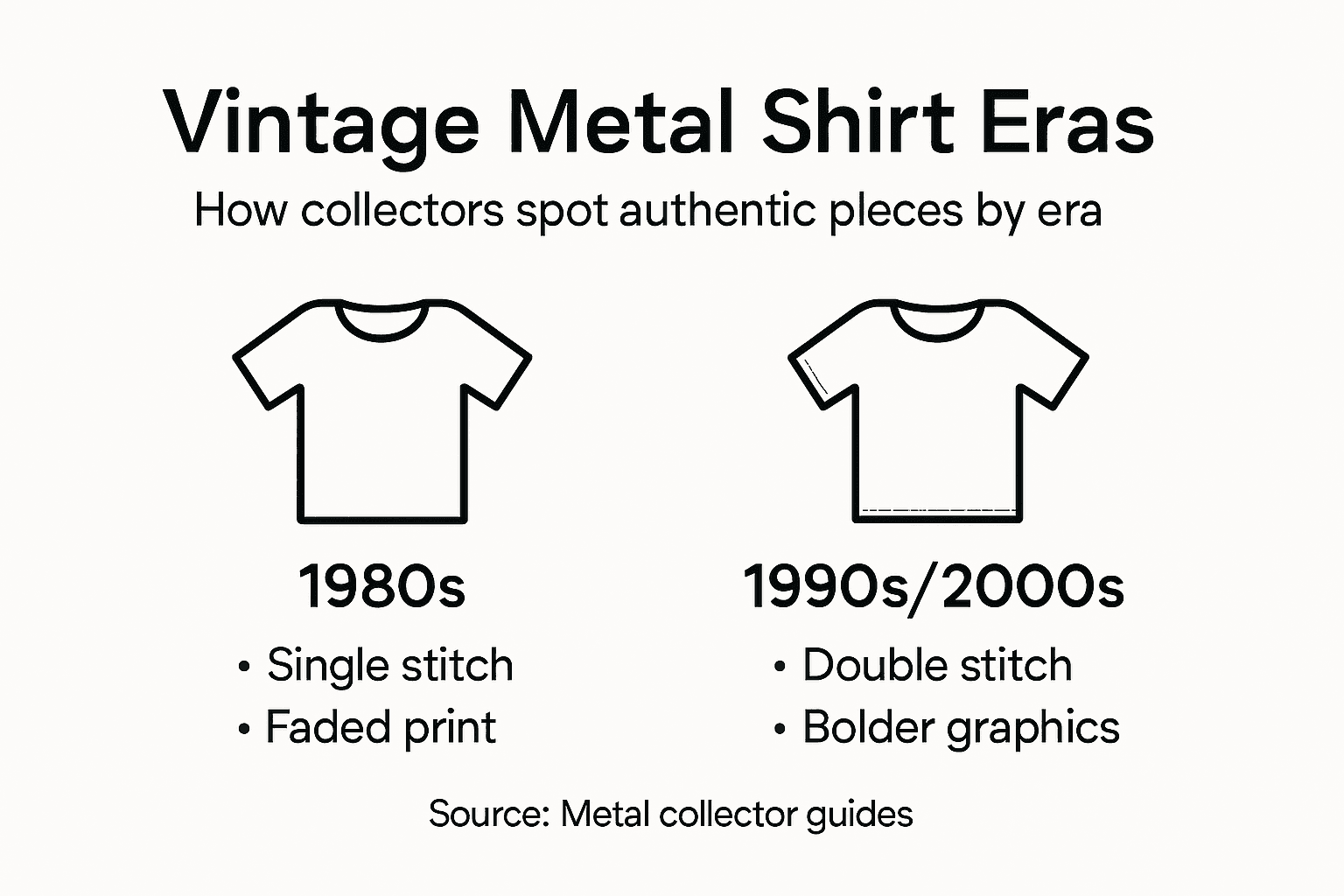
- Single-stitch construction (double-stitch became standard after the 1990s)
- Faded or worn graphics showing genuine age and use
- Tour dates matching legitimate tour schedules
- Era-appropriate tag styles and label placement
- Original band artwork without modern design elements
- Proper fabric weight and feel consistent with period manufacturing
These shirts function as historical documents within metal music culture. They document where a band travelled, which festivals they played, and which shows mattered enough to merchandise. A 1987 Metallica “Master of Puppets” tour shirt proves attendance at that specific era of performances.
The vintage metal scene values authenticity intensely. Dead stock—unworn inventory from original distributors—commands premium prices because it maintains original condition without decay patterns. Ex-tour stock carries its own appeal because it shows the shirt actually circulated within the band’s touring ecosystem.
Collectors should understand that authenticity determines value more than rarity; a worn but genuine 1985 tour shirt outweighs a pristine reprint from any year.
The distinction matters practically too. Reproductions flood the market, making it essential to understand what distinguishes genuine vintage shirts from clever modern fakes. Tour dates offer one verification point, but construction methods, tag styles, and printing techniques reveal truth more reliably.
Pro tip: Compare any potential purchase against documented tour schedules from that era and cross-reference the printing style with verified examples from the same year—this combination catches most reproductions instantly.
Types, Eras, And Authentic Features
Heavy metal tour shirts span distinct eras, each with recognisable characteristics that help collectors identify and date genuine pieces. Understanding these differences separates knowledgeable collectors from those easily fooled by clever reproductions. The 1980s represents the golden age for metal merchandise authenticity and visual design.
The 1980s Era
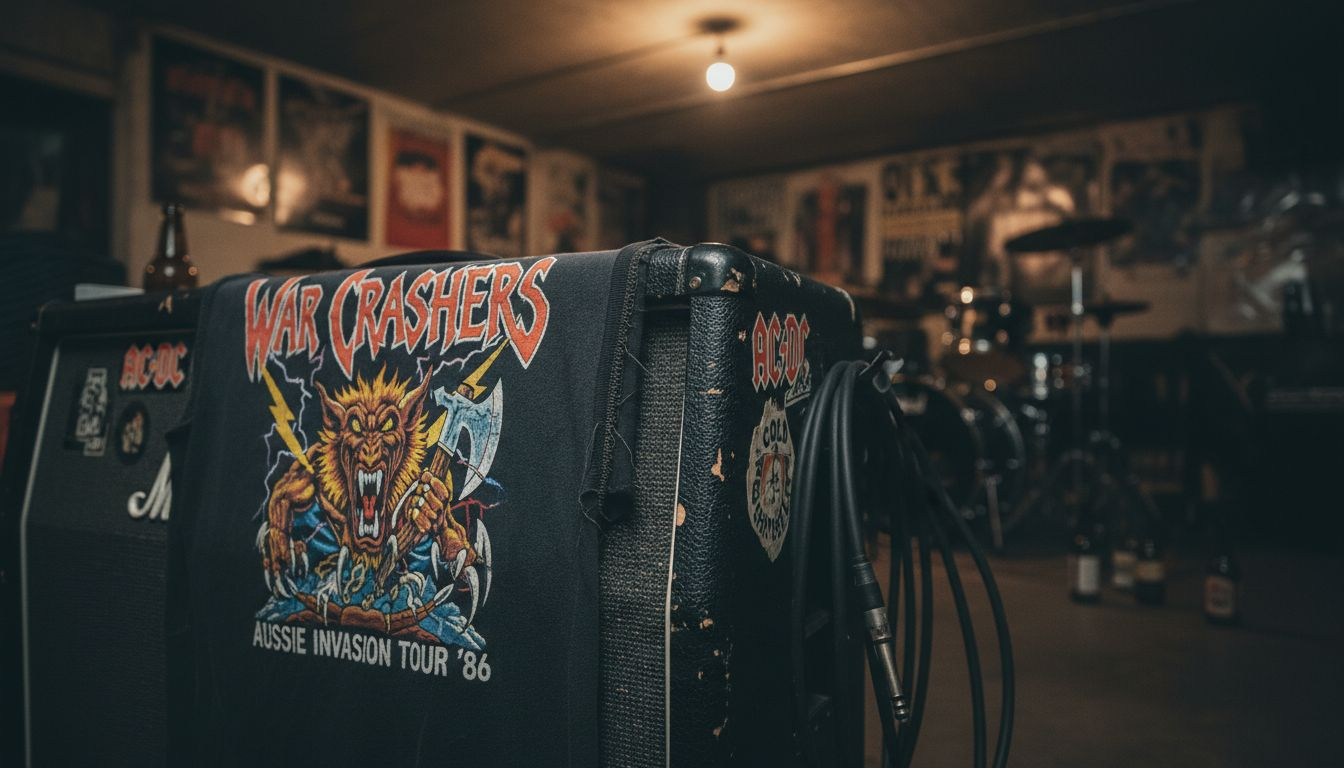
This decade defined heavy metal shirt culture. Bands like Metallica, Slayer, and Iron Maiden released iconic designs that collectors still pursue today. Authentic 1980s Metallica shirts feature original album artwork with screenprinting techniques specific to that period.
Key markers for 1980s authenticity include:
- Single-stitch construction throughout
- Thin, soft cotton fabric (heavier than modern standards)
- Tag placement on the inside collar or side seam
- Screen-printed graphics with visible ink layering
- Faded colours showing natural aging patterns
- Band names and artwork matching documented album releases
These shirts typically wear distinctively. The graphics crack and fade in predictable patterns, and the fabric develops a soft, broken-in texture genuine reproductions struggle to replicate authentically.
The 1990s Transition
By the 1990s, manufacturing shifted noticeably. Double-stitch construction became standard, and tag placement moved to the back neck label. Graphic printing evolved toward cleaner, more durable processes.
This era saw the rise of death metal and thrash metal tour merchandise alongside established bands’ continued touring. Shirts from this decade often feature more elaborate artwork than 1980s counterparts, reflecting the increasingly technical nature of the music itself.
The 2000s And Beyond
Shirts from the early 2000s still qualify as vintage for collectors. However, distinguishing genuine tour stock from later reproductions becomes trickier. Manufacturing standards improved significantly, and many bands reissued classic designs.
Tour date verification becomes absolutely critical for 2000s pieces, as reproductions became far more sophisticated and harder to spot visually.
Authentic features differ by era. A 1980s shirt has completely different construction than a 2000s original, yet both hold collector value. The key lies in matching construction methods, tag styles, and printing techniques to the actual year.
Many collectors focus specifically on the 1980s and early 1990s because these pieces carry the strongest provenance and most distinctive wear patterns. Dead stock from distributors occasionally surfaces, providing pristine examples of original manufacture standards.
Here’s a comparison of vintage heavy metal tour shirt features by era:
| Era | Construction Style | Graphic Style | Authentication Challenge |
|---|---|---|---|
| 1980s | Single-stitch, soft cotton | Faded, crackled screenprint | Provenance easier to verify |
| 1990s | Double-stitch, thicker feel | Elaborate, detailed prints | Occasional confusion with modern reprints |
| 2000s and beyond | Modern stitching, heavier cotton | Clean, durable prints | Sophisticated counterfeits common |
Pro tip: Document purchase sources and request provenance details—tracking where a shirt came from (estate sales, band archives, original distributors) strengthens your collection’s credibility and future resale value significantly.
Nostalgia, Rarity And Cultural Meaning
Vintage heavy metal tour shirts transcend basic merchandise—they represent tangible connections to pivotal moments in music history. For collectors, these pieces embody more than fabric and ink. They’re gateways to specific eras, venues, and experiences that defined their relationship with metal music.
Nostalgia drives much of the appeal. Wearing a shirt from a tour you attended connects you physically to that moment. Even owning a shirt from a legendary show you missed links you to metal’s broader narrative. Heavy metal band t-shirts signal fan identity and musical allegiance within subcultural communities globally.
The Rarity Factor
Rarity directly influences value. Original tour merchandise was printed in limited quantities, and most pieces were worn until they fell apart. Surviving examples grow scarcer annually. A pristine 1985 Slayer tour shirt simply cannot be replaced—only one printing run existed.
This scarcity operates differently than mass-produced collectibles:
- Original print runs numbered in hundreds, not thousands
- Most shirts were discarded after years of wear
- Dead stock from distributors provides rare pristine examples
- Reissued designs lack the collector appeal of originals
- Each era produced distinct styles impossible to replicate exactly
Rarity combined with authenticity creates cultural tokens that preserve metal’s subcultural narrative for future generations.
Cultural Identity And Preservation
Vintage heavy metal shirts represent material connections to music and its fans, fostering identity within communities. Collectors preserve pieces of music history that otherwise disappear. A well-maintained collection documents how bands merchandised themselves, how design evolved, and which tours mattered most commercially.
These shirts tell stories. Tour dates document where bands travelled. Artwork reflects graphic design trends. Fabric composition shows manufacturing standards of specific years. Every detail provides historical context metal historians and enthusiasts value deeply.
For many collectors, acquiring vintage tour shirts functions as participation in metal culture. It’s an investment in preserving the genre’s heritage. It’s recognition that these pieces matter beyond their original purpose as concert merchandise.
Pro tip: Create detailed records for each shirt in your collection—note acquisition source, era, band, tour dates, and condition—turning your collection into a documented archive that preserves metal history effectively.
Assessing Value, Costs, And Common Pitfalls
Vintage heavy metal tour shirt values fluctuate based on multiple factors, and understanding pricing protects your collection investment. A genuine 1987 tour shirt might cost anywhere from $150 to $1500 depending on condition, rarity, and band significance. Knowing what drives these prices separates smart collectors from those making costly mistakes.
Value Determining Factors
Authenticity remains the primary value driver. Factors influencing vintage band t-shirt value include authenticity, condition, rarity, and cultural significance. A shirt that fails authenticity checks drops dramatically in value, regardless of apparent condition.
Key value elements include:
- Band prestige and historical importance
- Tour dates and venue significance
- Condition and original graphics preservation
- Era-specific construction methods
- Dead stock versus worn examples
- Documentation and provenance
- Rarity within known print runs
Bands like Metallica, Iron Maiden, and Black Sabbath command premium prices. A first-year Metallica tour shirt costs substantially more than equivalent condition pieces from lesser-known bands. This reflects both rarity and cultural impact.
The table below summarises key elements that determine a shirt’s collectible value:
| Value Factor | Description | Impact on Price |
|---|---|---|
| Authenticity | Confirmed original tour origin | Highest influence |
| Band Significance | Fame and legacy of the band | Strong correlation |
| Condition | Overall wear, fade, and print clarity | Major consideration |
| Provenance/Documentation | Records of history and ownership | Adds trust, raises value |
| Rarity | Scarcity due to small print runs | Drives exclusivity |
Realistic Price Ranges
Common 1990s tour shirts typically sell for $80–$300. Rare 1980s originals range from $300–$2000. Exceptionally rare pieces or pristine dead stock can exceed $5000. Condition matters enormously—a shirt with faded graphics costs half the price of an identical design with crisp, vibrant print.
Beware of prices that seem too good to be true; they usually indicate reproductions or misrepresented condition masking hidden damage.
Common Pitfalls And Counterfeits
Reproductions flood the market. Bad actors deliberately misrepresent modern reprints as originals. Always verify construction details before committing funds. Tag styles, stitch types, and fabric weight reveal truth instantly to trained eyes.
Avoid these mistakes:
- Purchasing without verifying tour dates against documented schedules
- Ignoring obvious reproduction indicators like perfect graphics
- Trusting seller claims without independent verification
- Overlooking subtle construction differences between eras
- Paying premium prices for unverified provenance
- Accepting photos as sufficient documentation
Request detailed photographs showing tags, seams, and graphic quality. Ask sellers directly about provenance and purchase history. Legitimate dealers provide documentation gladly; those hesitating likely hide something.
Pro tip: Before purchasing expensive pieces, compare construction details with verified examples from the same era and band, building a mental reference library that catches counterfeits instantly.
Discover Authentic Vintage Heavy Metal Tour Shirts That Speak History
Finding genuine vintage heavy metal tour shirts can be a daunting challenge because of reproductions and condition concerns. If you value authenticity, provenance, and the unique cultural story behind every piece, our curated collection is tailored for discerning collectors like you. Explore rare, original shirts that match the era-specific construction and verified tour dates you read about.
Step into the rich heritage of metal music with our Rare Vintage Heavy Metal Concert Shirts – Vintage Metal Store collection. Whether you seek iconic bands like Metallica or hard-to-find tour stock, https://vintagemetal.com.au offers exclusive access to meticulously vetted pieces. Act now to secure authentic shirts that preserve metal history and elevate your collection with confidence.
Frequently Asked Questions
What defines a vintage heavy metal tour shirt?
Vintage heavy metal tour shirts are t-shirts originally sold or distributed at metal band concerts featuring band logos and tour dates. Authentic examples typically come from tours between the 1980s and early 2000s, with specific construction and design features that distinguish them from modern reproductions.
How can I verify the authenticity of a vintage heavy metal tour shirt?
To verify authenticity, check for single-stitch construction, faded graphics, matching tour dates, era-appropriate tag styles, and original artwork. Cross-referencing with documented tour schedules and comparing printing techniques can also help confirm its legitimacy.
Why do 1980s vintage heavy metal shirts hold more value than those from later years?
1980s shirts are often more valuable because they represent the golden age of heavy metal merchandise, featuring distinctive designs and historical significance. Their rarity, due to limited print runs and many being worn out or discarded, adds to their collectible appeal.
What factors influence the value of a vintage heavy metal shirt?
The value of a vintage heavy metal shirt depends on several factors: authenticity, the significance of the band, the condition of the shirt, documentation of provenance, and rarity within known print runs. Shirts from iconic bands or unique tours command higher prices in the collector’s market.
Recommended


