


Hunting for that rare 1990s Metallica or Slayer tour shirt often means tracing the roots of authenticity, history, and personal meaning most new merchandise misses. For collectors worldwide, second hand heavy metal shirts are more than faded cotton—they are genuine cultural artefacts carrying stories through their provenance and wear. This guide explores how to identify, value, and source the real deal, helping you distinguish true vintage from clever replicas while embracing the nostalgic spirit that fuels your collection.
Table of Contents
- Defining Second Hand Heavy Metal Shirts
- Authenticity And Collectability Explained
- Vintage Shirt Sources And Types
- Sustainability And Ethical Considerations
- Risks, Fakes, And Smart Purchasing
Key Takeaways
| Point | Details |
|---|---|
| Authenticity is Key | Genuine provenance greatly influences the value of second hand heavy metal shirts, making verification essential for collectors. |
| Variety of Shirt Types | Different categories of metal shirts, including tour merchandise and deadstock, offer distinct appeal and value to collectors. |
| Environmental Impact | Collecting second hand shirts supports sustainability by reducing textile waste and lowering demand for new production. |
| Stay Vigilant Against Counterfeits | Educate yourself on distinguishing authentic pieces from counterfeits to protect your investment and ensure quality. |
Defining Second Hand Heavy Metal Shirts
Second hand heavy metal shirts represent far more than just worn clothing. They embody authenticity, history, and cultural significance that new merchandise simply cannot replicate. Understanding what qualifies as a second hand metal shirt is essential for collectors navigating this niche market.
A second hand heavy metal shirt is any pre-owned t-shirt originally produced by, for, or featuring a heavy metal band or tour. This includes genuine tour merchandise from the 1990s, deadstock inventory that never sold at original point of sale, and worn pieces collectors have owned for decades. The key distinction lies in authenticity and provenance rather than condition alone.
Types of Second Hand Metal Shirts
The second hand metal shirt universe breaks into distinct categories. Each offers different value propositions and collector appeal:
- Tour merchandise – Official shirts sold at concerts or through official channels during specific tour runs
- Deadstock – Unworn, original stock that retailers or distributors held but never released to public sale
- Ex-tour stock – Inventory from tour merchandise vendors that remained unsold and entered secondary markets
- Vintage worn pieces – Authentically aged shirts that collectors have owned and worn over years or decades
- Band-authorised reproductions – Modern reissues from official sources, sometimes mixed into second hand markets
Authenticity drives value in second hand metal shirts. A genuine 1994 tour shirt commands respect that reproductions simply cannot match.
The consumption values shaping secondhand fashion reveal that metalheads connect with these pieces through economic savings, environmental consciousness, and the hunt for rarity. Second hand metal shirts tick all these boxes whilst offering something mass-produced shirts never will: genuine cultural artifacts.
Here’s a concise overview of the main categories of second hand heavy metal shirts and their distinct collector appeal:
| Shirt Category | Collector Appeal | Typical Price Range |
|---|---|---|
| Tour Merchandise | Sought for authenticity and memorabilia | Often high, especially for rare tours |
| Deadstock | Valued for untouched condition and rarity | Premium due to scarcity |
| Vintage Worn Pieces | Prized for age and personal history | Varies, can be moderate to high |
| Band-Authorised Reproductions | Appreciated for official status, less for age | Lower, accessible pricing |
| Ex-Tour Stock | Liked for provenance, sometimes overlooked | Mid-range, depending on source |
What separates a true second hand metal shirt from a counterfeit or unauthorised reproduction matters enormously. Identifying authentic vintage pieces requires understanding print techniques, tag construction, and material composition from different eras.
Why Condition Varies
Second hand metal shirts arrive in wildly different states. A deadstock piece might look factory-fresh after decades sitting in a warehouse. A worn tour shirt carries visible creasing, fading, and sometimes small holes. Neither condition diminishes authentic appeal—they simply tell different stories.
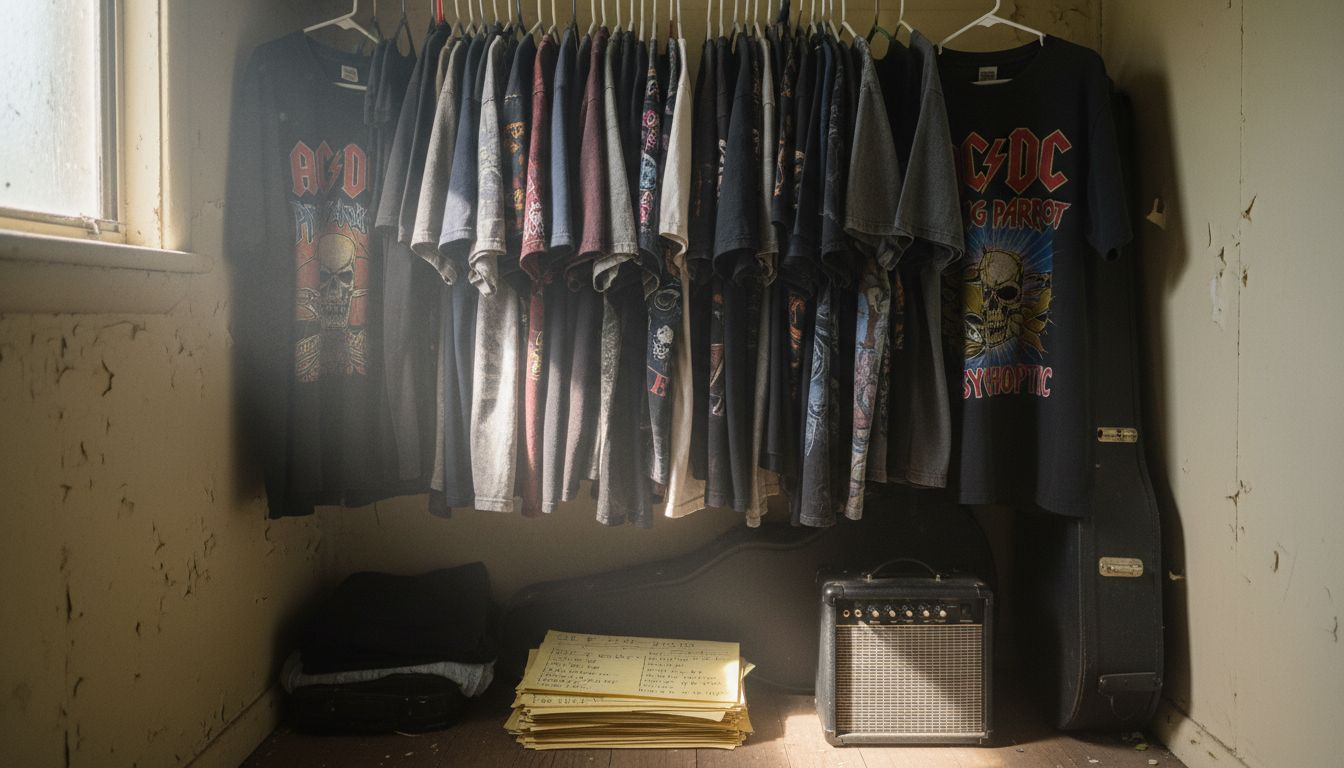
The metallurgical detail in screen printing fades over time. Collar tags yellow and break. Graphics crack along fold lines. These markers authenticate genuine age in ways pristine condition cannot.
Pro tip: Focus on verifying authenticity and provenance first, then assess condition based on your personal collecting goals and budget constraints.
Authenticity and Collectability Explained
Authenticity and collectability form the bedrock of heavy metal shirt collecting. Without genuine provenance, even visually perfect shirts hold little value beyond basic clothing. These two concepts work together to define what separates investment-grade pieces from replicas.
Authenticity means the shirt genuinely originated from the band, tour, or merchandise source it claims. A 1992 Metallica tour shirt must have actually been produced for that specific tour, using period-appropriate materials and printing methods. Counterfeit shirts flood secondary markets, so verification matters intensely.
Collectability refers to how desirable and valuable a shirt becomes over time. Rarity, historical significance, and cultural impact drive collectability. A shirt from a band’s final tour before lineup changes carries different weight than merchandise from a standard tour.
What Makes Shirts Collectible
Not every second hand metal shirt becomes a valued collectible. Several factors separate pieces worth holding onto from ordinary worn merchandise:
- Historical significance – Shirts tied to landmark tours, album releases, or pivotal moments in band history
- Rarity and scarcity – Limited print runs or region-specific merchandise that rarely surfaces
- Condition – Deadstock pieces or minimally worn shirts that look closer to original state
- Era and nostalgia – 1990s and early 2000s pieces resonate particularly strongly with collectors
- Band prominence – Shirts from genre-defining or culturally significant bands command premium value
- Print technique – Single-colour prints, vintage spot printing, and hand-screened details add authenticity appeal
The emotional attachment collectors develop toward vintage pieces explains why collectability transcends simple market supply and demand. Metalheads don’t just buy shirts; they reconnect with formative moments, lost eras, and personal identity.
How Authenticity Gets Verified
Identifying genuine merchandise requires knowledge of printing techniques, tag construction, and material composition across different decades. Screen-printed graphics from the 1990s show specific wear patterns that modern reproductions struggle to replicate authentically.
Tag details reveal enormous amounts of information. Fruit of the Loom, Hanes, and Gildan tags changed across years. Tag layout, font styles, and care label format shifted with manufacturing standards. Collectors develop expertise recognising these subtle markers.
How authenticity gets constructed through retail narratives matters in second hand markets. Where the shirt came from—direct from venue, estate sale, archive stock, or private collection—shapes perceived legitimacy and value.
Authenticity unlocks collectability. A genuine piece becomes a cultural artefact; a replica remains just clothing.
Pro tip: Request detailed photos showing tags, printing methods, and wear patterns before purchasing, then cross-reference details against known authentic examples from that band and era.
Vintage Shirt Sources and Types
Finding authentic second hand heavy metal shirts requires knowing where to look and what to expect from each source. Different channels offer vastly different quality, authenticity, and pricing. Understanding these sources helps you navigate the hunt strategically.
Vintage metal shirts surface through diverse pathways. Some come from original buyers cleaning out wardrobes decades later. Others emerge from estate sales, band archives, or merchandise distributors liquidating old inventory. Each source tells a different story and carries different confidence levels regarding authenticity.
Where Metalheads Source Shirts
The second hand clothing market spans multiple channels, each with distinct advantages and risks:
- Estate sales and auctions – Direct from collectors’ collections, often with documented provenance
- Online marketplaces – Accessible globally but require verification skills to spot fakes
- Specialist vintage retailers – Curated selections with authenticity guarantees, typically higher pricing
- Flea markets and record fairs – Direct seller interaction allows conversation about shirt history
- Private collections and swaps – Collector networks where trust and relationships matter significantly
- Archive stock and deadstock brokers – Unworn inventory from original distributors or warehouses
The variety of vintage clothing sources available globally reveals that metalheads access shirts through increasingly diverse channels. Traditional charity shops now sit alongside cross-border online platforms and specialist retailers.
Types of Second Hand Shirt Categories
Second hand metal shirts fall into distinct categories based on age, condition, and origin. Each type carries different collector value and authenticity markers.
Early vintage pieces date from the 1980s through mid-1990s. These shirts show genuine wear patterns, feature period-specific printing techniques, and command premium pricing. Deadstock pieces from this era are exceptionally rare.
Modern vintage shirts originate from the late 1990s through early 2010s. Still relatively accessible, these pieces offer more affordable entry points for newer collectors.
Contemporary secondhand refers to more recent merchandise worn but no longer needed. These shirts hold less collectible value unless tied to significant tours or extremely limited runs.
The secondhand clothing market structure reveals distinct supply chains ranging from mass-market channels to specialty vintage paths. Metal shirts occupy a unique niche combining cultural artefact status with wearable appeal.
Source matters as much as the shirt itself. Estate sale finds carry different authenticity weight than marketplace purchases.
Knowing whether a shirt came directly from venue merchandise, distributor liquidation, or private collector hands changes how you evaluate it. This provenance context shapes both legitimacy and value.
Pro tip: When purchasing from online platforms or unknown sellers, always request photos of tags, printing details, and wear patterns, then cross-reference against verified examples from specialist retailers or auction house records.
Sustainability and Ethical Considerations
Choosing second hand heavy metal shirts aligns your collecting passion with environmental responsibility. Every vintage piece you purchase prevents textile waste and reduces demand for new production. This matters far beyond personal style—metalheads contribute to circular economy principles through collecting choices.
The heavy metal community has always valued authenticity and rebellion. Choosing second hand shirts extends those values into environmental activism. You’re not just preserving music history; you’re actively reducing your consumption footprint.
Environmental Impact of Second Hand Collecting
Textile production creates substantial environmental burden. New shirt manufacturing consumes enormous water quantities, generates chemical waste, and contributes to carbon emissions. Second hand purchases bypass these impacts entirely.
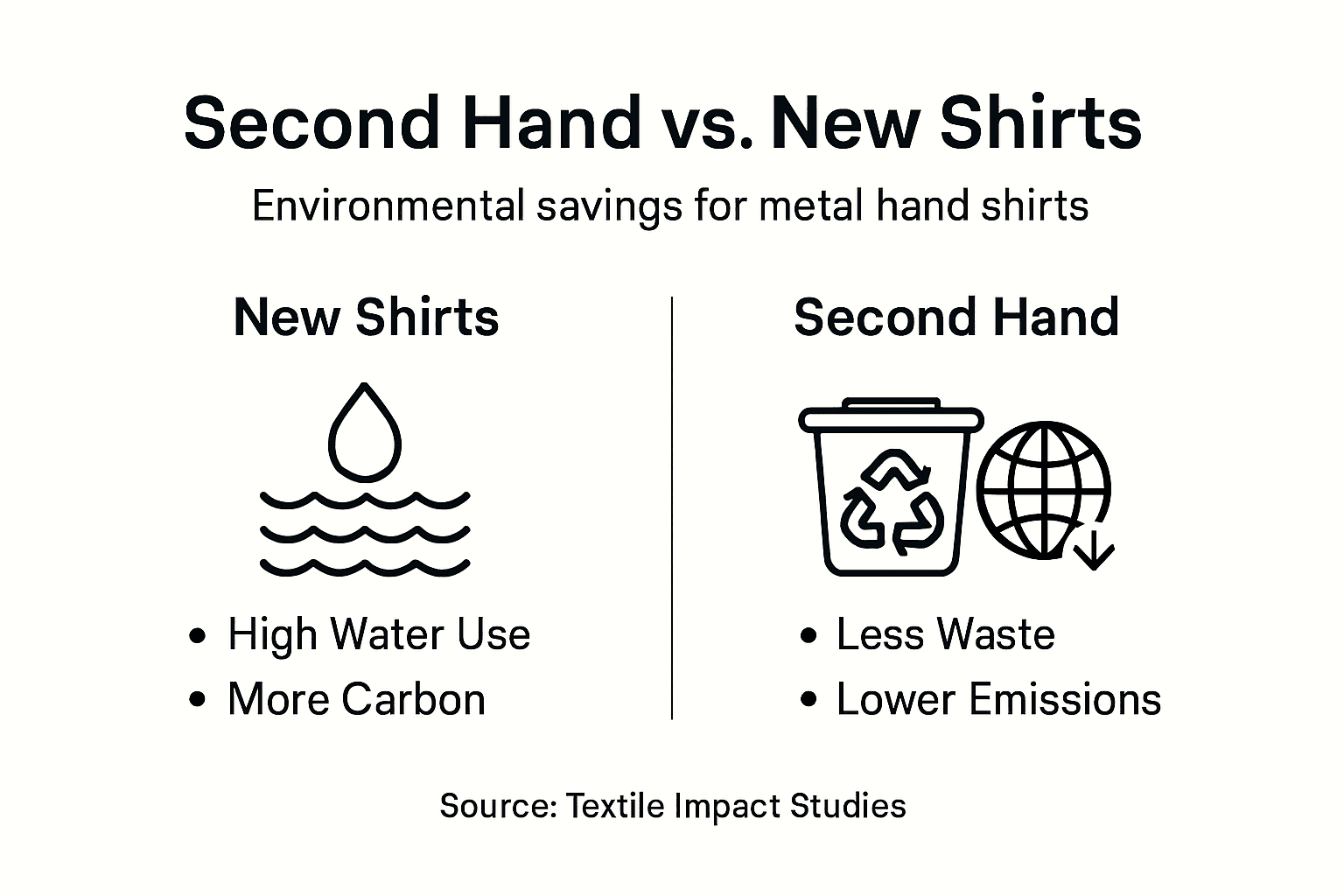
Consumer motivations driving secondhand clothing purchases reveal that sustainability concerns increasingly influence collector behaviour. Metalheads recognise that extending shirt lifespan reduces overall environmental damage.
Consider the numbers: a single new t-shirt requires approximately 2,700 litres of water to produce. Choosing vintage avoids that completely. Over a lifetime of collecting, this decision compounds into meaningful environmental contribution.
Here’s a summary comparing the environmental impacts between new and second hand heavy metal shirt purchases:
| Impact Area | New Shirts | Second Hand Shirts |
|---|---|---|
| Water Usage | Approx. 2,700 litres per shirt | No new water used |
| Manufacturing Emissions | High, due to textile production | None, reuses existing garments |
| Landfill Increase | Steady rise from fast fashion waste | Reduced, supports circular economy |
| Consumption Footprint | Significant for each purchase | Minimal, extends garment lifespan |
Waste Reduction and Circular Economy
Second hand shirt collecting participates directly in circular economy models. Garments stay in use rather than entering landfills. Each piece you preserve prevents waste whilst supporting sustainable consumption patterns.
The international secondhand clothing trade structure demonstrates how reuse markets create economic and environmental value. Shirts circulating through collector networks serve multiple owners, maximising their useful lifespan.
This approach offers several tangible benefits:
- Extended garment life – Vintage pieces remain wearable for decades longer
- Reduced landfill burden – Fewer textiles entering waste streams annually
- Lower resource consumption – No new manufacturing required
- Preserved cultural artefacts – Historical pieces maintain their documentary value
- Economic efficiency – Quality vintage often costs less than equivalent new merchandise
Ethical Sourcing Matters
Where your shirts come from carries ethical weight. Purchasing through reputable channels—specialist retailers, estate sales, documented collectors—ensures your money doesn’t support counterfeiters or exploitative resellers.
Sustainability extends beyond environmental impact. Supporting legitimate vintage dealers means your spending reinforces ethical business practices rather than funding deceptive practices.
Second hand collecting transforms personal passion into environmental action. Every vintage shirt you wear represents a choice against throwaway culture.
Pro tip: Build relationships with trusted vintage retailers and collectors rather than impulse-buying from unknown marketplace sources; this approach improves authenticity confidence whilst supporting ethical businesses aligned with sustainability values.
Risks, Fakes, and Smart Purchasing
Counterfeit heavy metal shirts flood secondary markets. Scammers exploit collector passion, passing off reproductions as authentic tour merchandise. Understanding the risks and learning smart purchasing strategies protects both your wallet and your collection’s integrity.
Fakes represent the biggest threat to second hand collecting. Some counterfeits look convincing to untrained eyes. Others fall apart within weeks of purchase. Either way, you’re wasting money on items that won’t deliver collector value or lasting wear.
Common Risks When Buying Second Hand
Several distinct risks emerge when purchasing vintage metal shirts. Awareness helps you spot problems before committing funds:
- Counterfeits and reproductions – Deliberately faked merchandise designed to deceive collectors
- Quality defects – Material degradation, printing failure, or structural damage hidden in photos
- Authenticity misrepresentation – Sellers claiming provenance they can’t verify or don’t possess
- Condition misstatement – Stains, holes, or fading underrepresented in listings
- Tag and print inconsistencies – Details that don’t match known authentic examples from that era
- Hygiene concerns – Poor storage conditions, mould, or pest damage affecting wearability
Understanding perceived risks in secondhand apparel purchases reveals that authenticity worries dominate collector concerns. Metalheads prioritise confidence in purchasing decisions over price alone.
How to Spot Counterfeits
Authentic 1990s tour shirts display specific characteristics that fakes struggle to replicate. Screen printing from that era shows particular colour saturation, cracking patterns, and ink thickness that reproduction attempts rarely match.
Examine tag construction carefully. Fruit of the Loom tags from 1992 look different from 1997 versions. Font weight, label layout, and care instruction formatting changed with manufacturing standards. Counterfeiters often use inconsistent or anachronistic tags.
Printing technique matters enormously. Hand-screened vintage shows subtle inconsistencies—ink bleeding, registration shifts, overlapping colours. Modern reproductions often display too-perfect uniformity that authentic pieces never achieve.
Smart Purchasing Strategies
Factors affecting purchase intention for secondhand apparel demonstrate that detailed inspection and seller credibility significantly boost buyer confidence. Apply these proven strategies:
- Request multiple high-resolution photos showing tags, graphic detail, and wear patterns from different angles
- Ask sellers specific questions about provenance, original purchase location, and storage history
- Cross-reference examples against documented authentic pieces from specialist retailers or auction records
- Check seller ratings and transaction history across platforms
- Compare pricing against market rates—suspiciously cheap deals often signal counterfeits
- Purchase from established vintage retailers offering authenticity guarantees
Smart purchasing isn’t paranoia. It’s respecting your collection and protecting your investment.
Trust your instincts. If something feels off about a listing, move on. Thousands of legitimate shirts exist; don’t settle for suspicious ones.
Pro tip: Start collecting from reputable retailers to build a visual reference library of authentic examples, then use that knowledge when evaluating marketplace purchases from less established sources.
Discover Authentic Second Hand Heavy Metal Shirts That Speak to Your Soul
Finding genuine second hand heavy metal shirts means more than owning apparel. It means embracing history, culture and sustainability while avoiding fakes and counterfeit risks. If you want to connect with the true spirit of your favourite bands through authentic tour merchandise, deadstock or vintage worn pieces you need a trusted source that values provenance and quality above all.
Explore our curated collection of Rare Vintage Heavy Metal Concert Shirts or dive into specific favourites like Vintage Becoming the Archetype Band Shirts Australia where authenticity and collector appeal meet. Don’t settle for less than the real thing. Visit Vintage Metal Store today and make your next great collectible find while supporting sustainability and preserving metal history. Act now before rare pieces disappear into private collections.
Frequently Asked Questions
What defines a second hand heavy metal shirt?
A second hand heavy metal shirt is any pre-owned t-shirt originally produced by, for, or featuring a heavy metal band or tour. This includes genuine tour merchandise, deadstock inventory, and worn pieces with authentic provenance.
Why are authenticity and provenance important for collectors?
Authenticity ensures that the shirt genuinely originated from the band or tour it claims to represent, while provenance provides the history of the shirt’s ownership. Together, these aspects determine the collectability and value of the shirt.
What factors make a second hand metal shirt collectible?
Several factors contribute to a shirt’s collectability, including historical significance, rarity, condition, and the band’s prominence. Shirts tied to landmark tours or limited print runs command higher value.
How can I verify the authenticity of a second hand metal shirt?
To verify authenticity, examine the tag details, printing techniques, and wear patterns specific to the era of production. Request high-resolution photos showing these details before purchasing, and compare them to known authentic examples.
Recommended


