



Vintage heavy metal T-shirts are often dismissed as mere retro fashion, but they represent far more than nostalgic clothing. These items, alongside tour posters, vinyl records, and rare merchandise, form a vast cultural archive documenting metal’s evolution. The 1990s era particularly stands out, with authentic pieces commanding thousands at auction. This guide reveals what truly qualifies as memorabilia, how to authenticate vintage finds, and where collectors can acquire genuine artifacts that preserve metal history.
Table of Contents
- What Counts As Heavy Metal Memorabilia?
- The Value And Significance Of 1990s Heavy Metal T-Shirts
- How To Spot Authentic Vintage Heavy Metal T-Shirts
- The Resale Market: Where To Find And How To Buy Vintage Heavy Metal Memorabilia
- Explore Vintage Heavy Metal Shirts At Vintage Metal Store
- What Is Heavy Metal Memorabilia? FAQ
Key takeaways
| Point | Details |
|---|---|
| Memorabilia spans diverse items | Heavy metal memorabilia includes vintage T-shirts, vinyl records, tour posters, stage-worn apparel, badges, and rare merchandise from decades of metal culture. |
| 1990s band tees command premium prices | Authentic 1990s shirts are highly collectible due to rarity, cultural significance, and condition, with some pieces selling for over $18,000. |
| Authentication requires careful inspection | Spotting fakes involves examining stitching, fabric weight, print quality, tags, and verifying tour dates against historical records. |
| eBay serves as a global metal archive | The platform functions as a virtual museum offering unparalleled access to memorabilia spanning decades, subgenres, and continents worldwide. |
| Condition and provenance drive value | Near-mint items with verified authenticity, iconic designs, and documented history fetch the highest prices in the resale market. |
What counts as heavy metal memorabilia?
Heavy metal memorabilia encompasses far more than aged band T-shirts. The category includes a rich tapestry of artifacts that document metal’s cultural journey. Collectors seek vintage T-shirts from iconic tours, first-pressing vinyl records, promotional materials, tour posters that advertised legendary concerts, and stage-worn apparel that carries authentic performance history.
These items span multiple decades and subgenres, from thrash to death metal, black metal to doom. eBay functions as a virtual heavy metal museum, offering collectors worldwide access to artifacts they might never encounter locally. The inventory reflects metal’s vastness, connecting fans across continents through shared passion for preservation.
The scope of collectibles includes:
- Original tour merchandise sold exclusively at concert venues during specific tours
- Limited edition vinyl pressings, particularly first runs and promotional copies sent to radio stations
- Tour posters featuring original artwork and specific venue details
- Stage-worn clothing authenticated by band members or crew
- Backstage passes, setlists, and other ephemera from historic performances
- Rare badges, patches, and promotional items distributed at metal festivals
Collecting these items preserves metal history tangibly. Each piece tells a story about a band’s evolution, a tour’s impact, or a particular moment in metal culture. The reasons collectors pursue band T-shirts extend beyond nostalgia to genuine historical documentation.
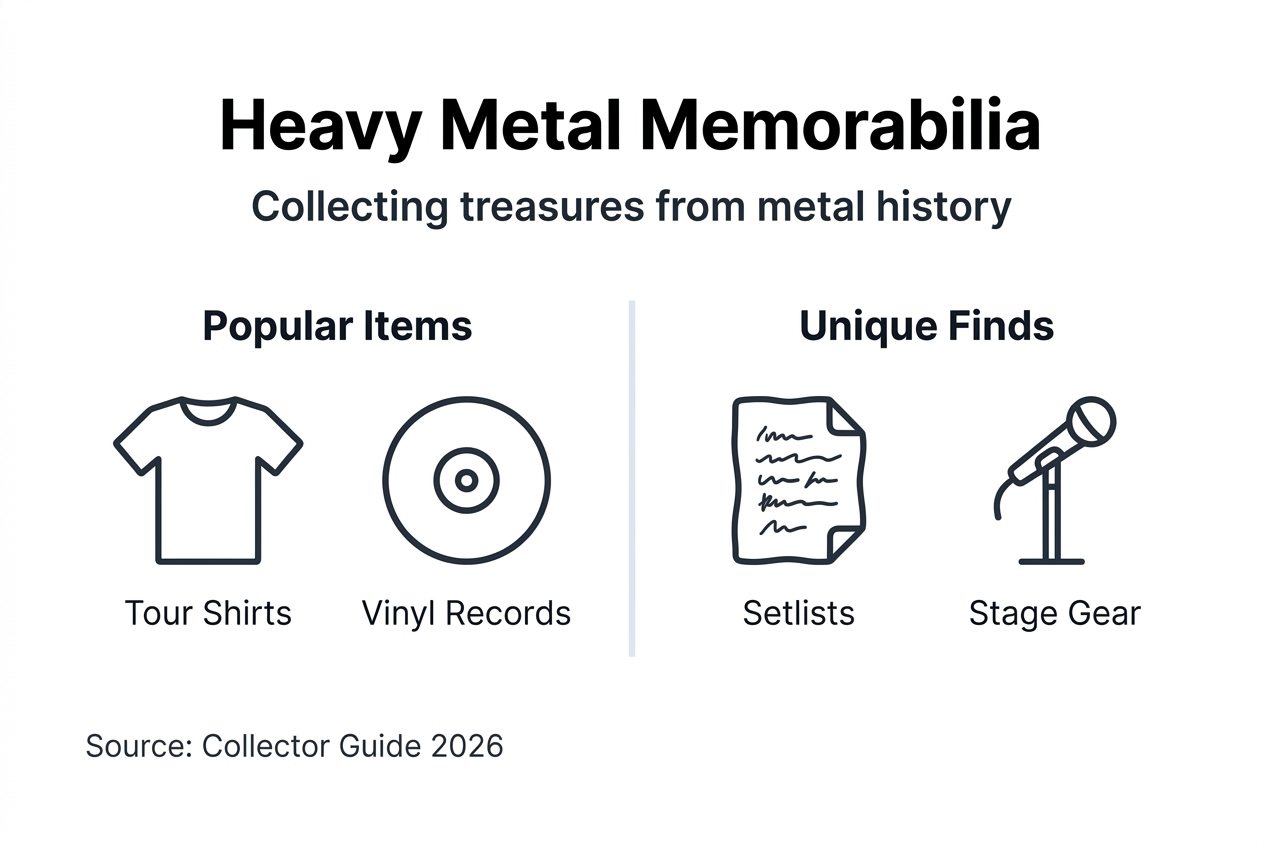
Authentic memorabilia connects current fans with metal’s roots. A 1991 Metallica tour shirt worn by a concertgoer carries the energy of that performance. A first-pressing Master of Puppets vinyl represents the album’s initial impact. These aren’t mere objects; they’re cultural artifacts that preserve moments otherwise lost to time.
The value and significance of 1990s heavy metal T-shirts
The 1990s represent a golden era for metal memorabilia collectors. Shirts from this decade combine rarity, cultural relevance, and design excellence that drives extraordinary market values. Rarity and condition significantly influence pricing, with near-mint limited edition tour shirts commanding premium prices.
Cultural significance plays a crucial role. The 1990s saw metal diversify dramatically, spawning subgenres and iconic albums that defined a generation. Bands like Metallica, Slayer, Pantera, and Megadeth reached creative peaks, and shirts from their tours became wearable history. A Nirvana shirt sold for over $18,000, demonstrating the extreme valuations possible for rare pieces.
Several factors determine a shirt’s worth:
- Condition: Near-mint shirts with minimal fading and no holes fetch highest prices
- Tour specificity: Shirts from particular legendary tours outperform generic band merchandise
- Brand and manufacturer: Items by Backstage Pass, Winterland, or other period-authentic makers carry authentication weight
Item Type Price Range Key Value Drivers Common 1990s band tee $50-$200 Recognisable band, decent condition Limited tour shirt $300-$800 Specific tour dates, good condition Rare tour shirt (near-mint) $1,000-$5,000 Iconic tour, excellent condition, verified authenticity Ultra-rare/historic piece $5,000+ Extreme rarity, museum quality, cultural significance
The resale market for 1990s shirts continues booming. Collectors recognise these items appreciate over time, particularly as original tour attendees age and fewer authentic pieces remain in circulation. The surge in 1990s metal shirt values reflects broader recognition of their cultural importance.
Design uniqueness matters significantly. Original artwork created specifically for tours, particularly pieces featuring elaborate graphics or controversial imagery, attracts serious collectors. Single-print runs from small venues or short tours create scarcity that drives competition.
Pro Tip: Research which 1990s tours produced the most sought-after shirts before buying. Understanding which Metallica, Slayer, or Pantera tours generated iconic designs helps you recognise valuable pieces when browsing.
How to spot authentic vintage heavy metal T-shirts
Authenticity verification separates valuable vintage shirts from worthless reproductions. Counterfeiters increasingly target the booming market, making due diligence essential. Authentication involves scrutinising construction and print quality through systematic examination.
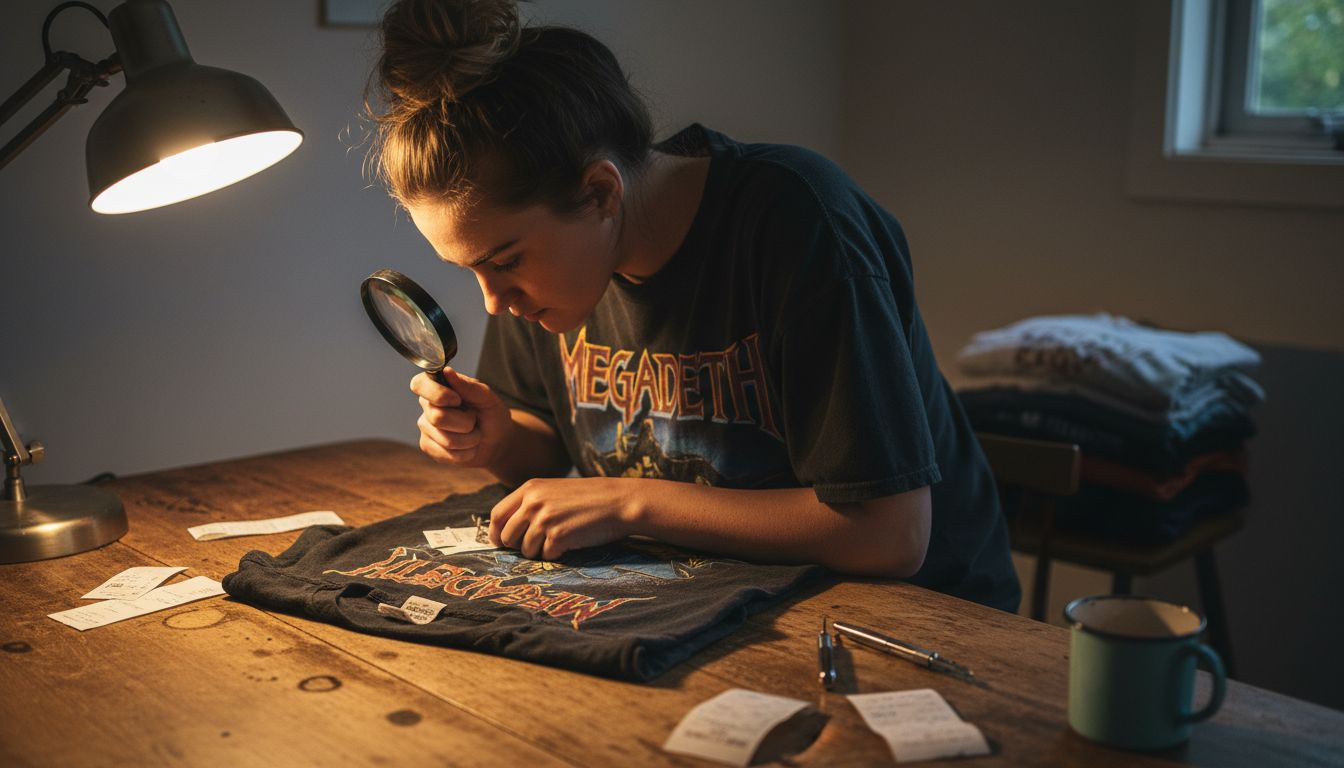
Stitching provides immediate clues. Single-stitch construction, visible along sleeves and hem, indicates pre-1990s manufacture. Double-stitching became standard in the mid-1990s, so appropriate stitching must match the claimed era. Examine wear patterns; authentic vintage shirts show natural aging, not artificial distressing.
Fabric weight and texture differentiate genuine articles from modern reproductions. Vintage shirts typically use heavier cotton blends with substantial body. Modern reprints often feel lighter and thinner. The fabric should exhibit natural wear consistent with age, including slight pilling or softening rather than deliberate pre-washing.
Print characteristics reveal authenticity clearly:
- Natural fading patterns that follow wear areas like shoulders and chest
- Cracking in screen-printed designs that occurred gradually over decades
- Print texture with slight elevation above the fabric surface
- Colour saturation appropriate to aging, not artificially muted
- Design details matching original tour artwork, verifiable through collector archives
Tags offer crucial authentication evidence. Vintage shirts feature brand labels like Backstage Pass, Winterland, Giant, or Brockum. These manufacturers dominated 1990s tour merchandise. Size and care labels should use period-appropriate fonts, materials, and washing instructions. Modern reproductions often use contemporary tag styles that betray their recent manufacture.
Tour dates provide essential provenance. Shirts displaying specific venues and dates allow collectors to verify against documented tour schedules. Cross-reference printed tour information with historical records to confirm legitimacy. Discrepancies in dates, venues, or tour names signal reproductions.
The complete guide to vintage metal shirt authenticity covers additional verification techniques. Examine collar tags, inspect seam construction, and compare print methods. Original screen-printing differs noticeably from modern digital transfers.
Pro Tip: Research the seller’s history thoroughly before purchasing. Established dealers specialising in vintage metal merchandise typically stand behind their items’ authenticity. Deals appearing too good to be true usually are; genuine rare shirts command appropriate prices reflecting their scarcity.
The resale market: where to find and how to buy vintage heavy metal memorabilia
Navigating the resale market requires understanding where authentic memorabilia surfaces and how to purchase safely. eBay remains the largest global marketplace for metal artifacts, functioning as both commerce platform and historical archive. The site’s vast inventory connects collectors with items spanning decades, but buyers must exercise caution.
The 1990s resale market continues booming, with prices reflecting rarity and collectibility. Multiple platforms serve collectors, each offering distinct advantages and challenges.
| Platform | Advantages | Disadvantages |
|---|---|---|
| eBay | Massive selection, global reach, buyer protection programmes | Requires careful authentication, variable seller quality |
| Specialist vintage stores | Curated selection, pre-authenticated items, expert knowledge | Higher prices, smaller inventory |
| Metal festivals and conventions | In-person inspection, networking with collectors, rare finds | Limited frequency, geographical constraints |
| Auction houses | High-end pieces, strong provenance, professional authentication | Premium prices, buyer’s premiums add costs |
Successful buying follows systematic steps:
- Research the specific item thoroughly before bidding or purchasing, verifying that similar pieces exist and understanding typical pricing
- Examine all provided photos carefully, requesting additional images of tags, stitching, and print details if necessary
- Review seller ratings and feedback history, particularly noting comments about item accuracy and authenticity
- Compare pricing across multiple platforms to establish fair market value and identify overpriced or suspiciously cheap listings
- Ask sellers direct questions about provenance, acquisition history, and any authentication already performed
- Use secure payment methods offering buyer protection, avoiding wire transfers or cryptocurrency for vintage purchases
- Document everything thoroughly, saving all communications, photos, and item descriptions for future reference
Key considerations when evaluating memorabilia include verifying the era matches claimed dates, assessing condition honestly against seller descriptions, and confirming authenticity through multiple indicators. The 1990s remain particularly hot, so demand for this period drives competition.
Exploring alternatives to major marketplaces reveals specialised dealers who focus exclusively on metal merchandise. These sources often provide superior authentication and condition guarantees, though prices typically exceed open-market rates.
Building relationships with reputable sellers pays dividends long-term. Established dealers often offer first access to newly acquired pieces, provide authentication assistance, and stand behind their merchandise with return policies. The investment in trusted sources protects against costly authentication mistakes.
Explore vintage heavy metal shirts at Vintage Metal Store
Acquiring authentic vintage heavy metal memorabilia demands trusted sources specialising in verification and preservation. Vintage Metal Store offers collectors verified authentic pieces, including rare 1990s tour merchandise that defines the era’s cultural significance.
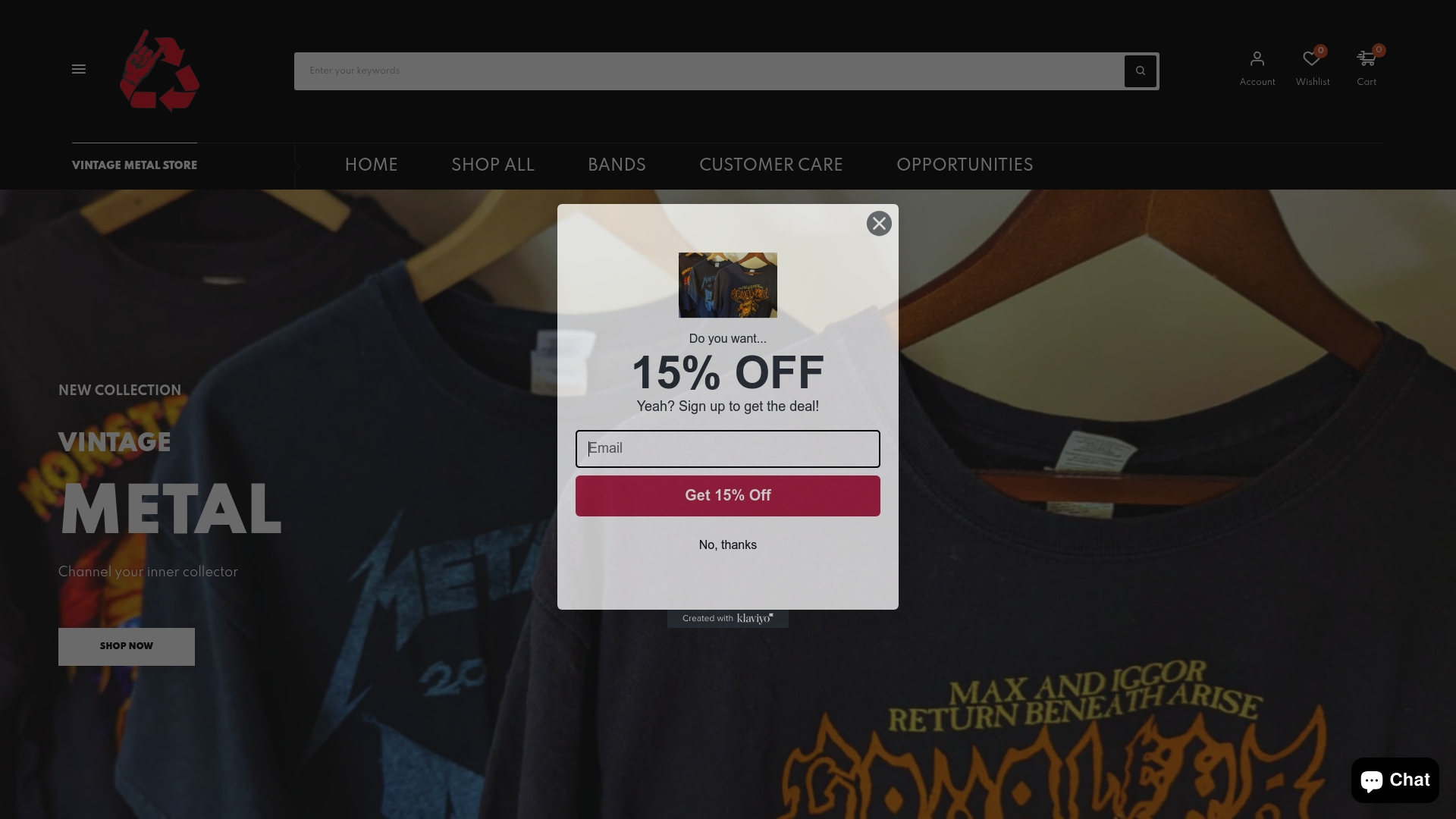
The rare 1992 Metallica USA tour shirt exemplifies the quality and authenticity available. This verified piece from Metallica’s legendary early-1990s touring period showcases period-correct construction, original screen-printing, and documented provenance. The store’s extensive Metallica collection spans multiple eras, offering collectors access to genuine tour merchandise from metal’s most influential band.
Browsing the complete vintage metal catalogue reveals authenticated shirts from legendary bands and tours. Each piece undergoes careful examination, ensuring collectors receive genuine articles that preserve metal history. The focus on ex-tour stock and deadstock provides access to unworn pieces from historic tours, offering condition and authenticity that secondary markets struggle to match.
What is heavy metal memorabilia? FAQ
What exactly qualifies as heavy metal memorabilia?
Heavy metal memorabilia encompasses any artifact connected to metal bands and culture, including vintage T-shirts, vinyl records, tour posters, stage-worn clothing, badges, patches, and concert ephemera. These items document metal’s history tangibly, preserving moments and movements that shaped the genre’s evolution across decades.
How can I distinguish genuine vintage shirts from reproductions?
Authentic vintage shirts exhibit specific characteristics including single-stitch construction, period-appropriate tags from manufacturers like Backstage Pass, heavier fabric weight, and natural aging patterns in prints. Reproductions typically show double-stitching, modern tag styles, lighter fabrics, and artificially distressed printing that lacks authentic gradual wear.
Why do 1990s metal band shirts command such high prices?
The 1990s represent metal’s creative peak, with iconic albums and tours generating culturally significant merchandise now increasingly rare. As original owners age and fewer authentic pieces remain in circulation, scarcity drives competition. Finding rare 1990s examples requires understanding which tours produced the most sought-after designs.
What factors most significantly influence memorabilia value?
Condition ranks paramount, with near-mint pieces commanding premium prices over worn examples. Rarity determined by limited production runs or short tours increases value substantially. Cultural significance tied to legendary performances or historic moments drives collector interest. Verified authenticity through appropriate tags, construction, and provenance documentation remains essential for maximum value.
Where should collectors buy authentic vintage metal merchandise?
eBay offers the largest selection but requires careful authentication and seller vetting. Specialist vintage stores provide pre-authenticated items with expert knowledge, though at higher prices. Metal festivals and conventions enable in-person inspection and networking. Auction houses handle high-end pieces with professional authentication. Choosing platforms depends on experience level, budget, and desired item rarity.
Recommended
- Heavy Metal T-Shirt Eras: Why Rarity Matters – Vintage Metal Store
- Top 7 Heavymetalmerchant.com Alternatives in 2026 for Authentic Vintag – Vintage Metal Store
- What Makes A Shirt Vintage: Keys For Collectors – Vintage Metal Store
- Collect rare 1990s heavy metal tees: expert guide 2026 – Vintage Metal Store


