



TL;DR:
- Authentic 1990s band shirts feature single-stitch hems, period tags, and natural ink cracking.
- High-value shirts include Metallica Black Album, Slayer Seasons in the Abyss, Pantera Vulgar Display, and Megadeth Crystal Rain.
- Proper care involves gentle washing, air drying, and storing folded in acid-free conditions to preserve value.
Separating a genuine 1990s metal band shirt from a clever reproduction is harder than it sounds. The vintage band tee market has exploded, with
Table of Contents
- What makes a 90s band shirt a true must-have?
- The ultimate list: Must-have 90s metal band shirts
- Spotting fakes and knowing the red flags
- Care, storage, and maximising your collection’s value
- The truth about collecting 90s band shirts: What most guides miss
- Find your next vintage metal masterpiece
- Frequently asked questions
Key Takeaways
| Point | Details |
|---|---|
| Authenticate every shirt | Check stitching, tags, and ink cracking to confirm genuine 90s origin. |
| Prioritise rare prints | Limited tour and all-over prints from Metallica, Slayer and Megadeth are most valuable. |
| Beware modern fakes | Look out for double-stitched hems and flawless prints that signal a reproduction. |
| Care drives value | Cold washes, careful storage, and using repros for wear keep originals pristine and collectible. |
What makes a 90s band shirt a true must-have?
With authenticity top-of-mind, let’s look at the criteria experts use to separate the real from the repro. Not every old-looking shirt is actually old, and knowing the physical markers of a genuine 1990s piece is the foundation of smart collecting.
The single most reliable indicator is the stitching. Pre-mid-1990s shirts almost always feature single-stitch hems and sleeves, where one row of thread runs along the sleeve cuff and bottom hem. Once manufacturers shifted to double-stitching in the mid-to-late 90s for durability, the single-stitch became a reliable timestamp. Check the inside seams carefully.
Merchandiser tags are equally important. Labels from Brockum, Giant, and Winterland are cult-classic authenticators among serious collectors. These companies were the dominant official tour merchandisers of the era. A Brockum tag on a Metallica shirt from 1991 is a green light. A generic modern tag with no brand history is a warning sign. The guide to buying vintage tees confirms that single-stitch construction, period tags, ink cracking, and fading are the key authentication markers to prioritise.
Here are the core physical markers to check on any shirt:
- Single-stitch hems and sleeve cuffs
- Brockum, Giant, or Winterland neck label
- Heavy ink with natural cracking and fading from age and washing
- Copyright dates that match the specific tour or album release year
- Correct tour dates, city names, and album artwork for the era
- Fabric weight consistent with Hanes Beefy-T or Fruit of the Loom blanks from the period
Ink quality is another giveaway. Genuine 90s prints used thick, plastisol-based inks that crack and fade in a very specific way over decades. This cracking follows the natural stress lines of the fabric. Reproductions often fake this with chemical washing, but the pattern looks uniform and artificial rather than organic.
Pro Tip: Cross-reference the tour dates printed on the shirt with actual setlist archives or band histories. If the dates or cities don’t match a known tour leg, the shirt is either a bootleg or a fake. Our authenticity tips and breakdown of what makes shirts vintage go deeper on these markers.
“A shirt that looks perfect after 30 years should raise your eyebrow, not your excitement. Real age shows.”
One more nuance: 90s bootlegs. These were shirts printed without official band licences but sold outside venues during actual tours. They are period-produced, genuinely old, and increasingly sought after by collectors who understand the underground culture they represent. A legitimate 90s bootleg is not the same as a modern fake.
The ultimate list: Must-have 90s metal band shirts
Armed with these criteria, here is your essential collector’s list. These five shirts represent the pinnacle of 90s metal wearable history, combining iconic artwork, tour significance, and strong resale value.
- Metallica Rebel shirt (early 1990s) — One of the most recognisable Metallica pieces, featuring bold graphics tied to the Black Album era. Originals with Brockum tags command strong prices.
- Metallica All Over Print shirt (1991) — The all-over graphic format was rare and expensive to produce at the time. Surviving originals in good condition are genuinely scarce. A Metallica Black Album 1991 shirt from this era is a centrepiece piece for any collection.
- Slayer Seasons in the Abyss (1990) — The Seasons tour produced some of the most visually aggressive shirts of the era. The artwork is unmistakable and the tour was a landmark moment for thrash metal.
- Pantera Vulgar Display of Power (1992) — Pantera’s mainstream breakthrough came with this album, and the tour merchandise reflected the raw, confrontational energy of the record. These shirts are increasingly rare in wearable condition.
- Megadeth Crystal Rain (1992) — This is one of the highest-value shirts in the entire 90s metal category. Recent 2025 to 2026 sales data shows the Megadeth Crystal Rain selling for around $850, making it a serious collector’s target.
| Shirt | Approximate value | Key authenticator |
|---|---|---|
| Metallica Rebel (early 90s) | $200 to $500 | Brockum tag, single-stitch |
| Metallica All Over Print (1991) | $300 to $750 | Giant tag, tour dates |
| Slayer Seasons in the Abyss (1990) | $150 to $400 | Winterland tag, ink cracking |
| Pantera Vulgar Display (1992) | $180 to $450 | Period copyright, fabric weight |
| Megadeth Crystal Rain (1992) | $500 to $850+ | Rare print, original tag |
“The iconic band shirts that define 90s metal are the ones where the artwork told the story of the music.”
For a Metallica 1992 tour shirt or other rare 90s metal examples, condition and tag integrity are everything. A shirt in the list above with all original tags and minimal fading sits at the top end of every price range shown.
Spotting fakes and knowing the red flags
High-value shirts attract fakes, so let’s make sure your picks are the real deal. The reproduction market has become sophisticated, and some fakes are genuinely difficult to spot without knowing exactly what to look for.
Dry rot is a serious concern with shirts that have been stored poorly. Fabric that has begun to deteriorate will feel brittle, crack when folded, or show small holes around stress points like the collar and underarms. A shirt with dry rot is not worth collecting at any price. Inspect the fabric carefully before committing.
Flawless prints on supposedly aged shirts are a major red flag. Genuine 90s shirts have lived through decades of washing, wearing, and storage. The ink will show natural wear. A shirt with a perfectly crisp, vibrant print and an artificially distressed fabric has almost certainly been chemically treated to simulate age. The guide to buying vintage tees specifically warns against dry rot, perfect prints on aged shirts, and mismatched tags or dates.
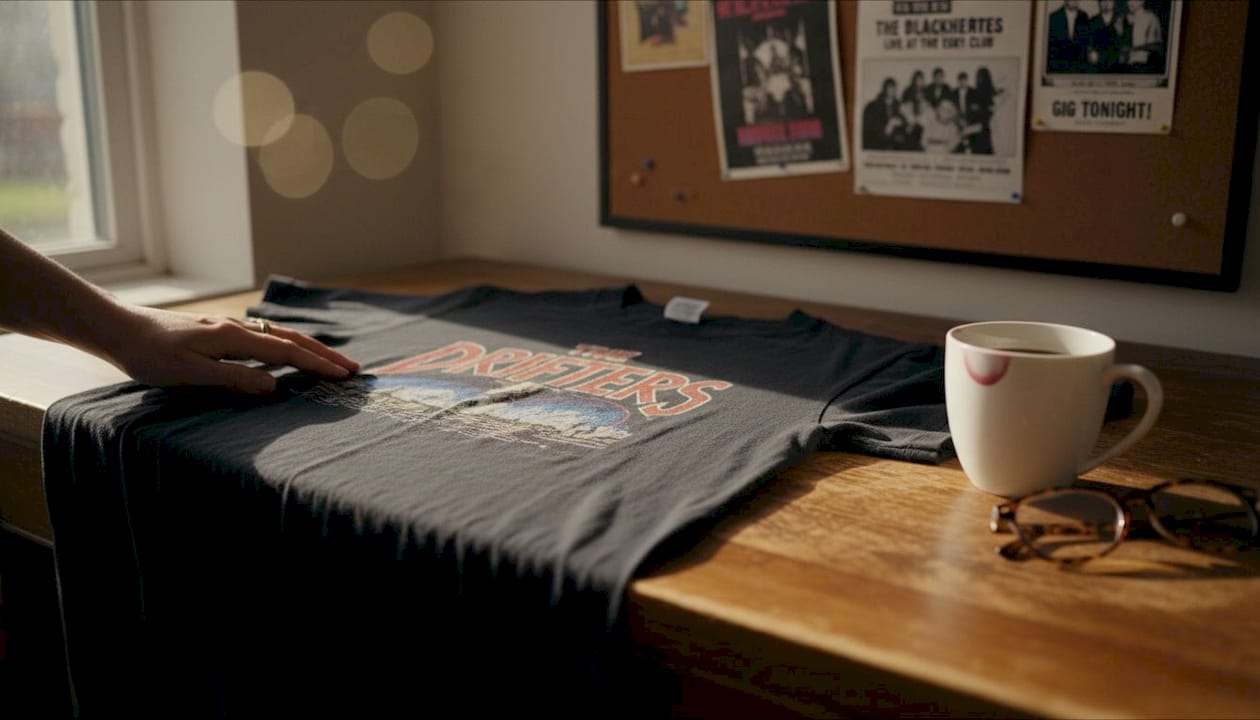
Here is a quick comparison of authentic versus reproduction telltales:
| Feature | Authentic 90s shirt | Modern reproduction |
|---|---|---|
| Hem stitching | Single-stitch | Double-stitch |
| Neck tag | Brockum, Giant, Winterland | Generic or no brand |
| Ink condition | Natural cracking, fading | Uniform or artificially aged |
| Copyright date | Matches tour/album year | Missing, wrong, or generic |
| Fabric feel | Soft, worn, lived-in | Stiff or chemically treated |
Watch for these warning signs when buying:
- Tags that don’t match the era of the shirt’s alleged tour
- Seller photos that avoid close-ups of the neck label and hem
- Prices that seem too low for a supposedly rare piece
- Listings that describe a shirt as “vintage style” rather than “vintage original”
- Artificially faded graphics with no corresponding fabric wear
Pro Tip: Ask sellers for close-up photos of the neck tag, both hems, and the inside seam before buying online. A genuine seller of authentic vintage shirts will have no hesitation providing these. Sellers who avoid detailed photos are a red flag. Check vintage shirt care and authentication resources to sharpen your eye further.
Care, storage, and maximising your collection’s value
Once you have scored the real thing, here is how you keep it looking and feeling legendary. Poor care is one of the most common ways collectors accidentally destroy value they paid good money to acquire.
Washing is the highest-risk activity for a vintage shirt. Always wash cold and inside out, and air dry rather than machine dry. Heat is the enemy of both the fabric and the ink. Tumble drying accelerates cracking and can cause shrinkage in original 90s cotton blanks that were not pre-shrunk.
Here are the essential care and storage practices:
- Wash inside out in cold water on a gentle cycle
- Air dry flat or on a hanger away from direct sunlight
- Never iron directly on the print, use a pressing cloth if needed
- Store folded rather than hung to prevent neck stretch and shoulder distortion
- Keep shirts in acid-free tissue or cotton bags if archiving long-term
- Avoid plastic bags for storage as they trap moisture and accelerate fabric decay
The display versus wear question is one every serious collector faces. The honest answer is to use reproductions or less valuable originals for gigs and everyday wear, and keep your authenticated originals in archival storage. A shirt worn to a concert risks sweat damage, accidental tears, and ink transfer. Your rare shirt collection deserves better than a mosh pit.
Pro Tip: Keep original tags intact at all costs. A shirt with its original Brockum or Giant tag attached is worth meaningfully more than the same shirt with the tag removed. Even if the tag is faded or slightly damaged, leave it in place.
Building a complete memorabilia set also means thinking about complementary pieces. Tour programmes, original ticket stubs, and backstage passes from the same tour as your shirt create a cohesive collection that tells a richer story and increases overall value.
The truth about collecting 90s band shirts: What most guides miss
Most collecting guides focus entirely on price benchmarks and authentication checklists. That is useful, but it misses something important. The collectors we see building the most meaningful sets are not purely chasing investment grade pieces. They are chasing identity.
A shirt from a Pantera show you actually attended in 1994 is worth more to you than any Megadeth Crystal Rain you buy online, regardless of the price guide. That is not a weakness in your collecting strategy. It is the whole point. Metal culture in the 90s was built on community, rebellion, and belonging. The shirts were proof of participation.
Here is the contrarian view worth sitting with: some so-called bootlegs from the 90s are more culturally significant than official merchandise. A shirt printed by a local crew outside a regional venue in 1992 captures something the official Brockum product never could. It documents a local scene, a specific moment, a grassroots energy. Check out our collector insights for more on this angle.
Collect what moves you. The financial value follows authenticity, but the real value lives in the story.
Find your next vintage metal masterpiece
Ready to hunt for your own authentic 90s treasure? At Vintage Metal, we stock ex-tour stock, dead stock, and authenticated second-hand shirts sourced directly from heavy metal tours and bands.
Our vintage Metallica shirts collection includes some of the rarest Black Album era and early 90s tour pieces available in Australia. If you are building beyond one band, our full rare heavy metal shirts catalogue covers Slayer, Megadeth, Pantera, and more. Every piece we sell comes with honest condition notes and provenance detail. Browse the full vintage metal band shirts store and find the piece that belongs in your collection.
Frequently asked questions
How can I quickly tell if my 90s band shirt is authentic?
Check for single-stitch hems, original Brockum or Giant tags, and natural cracking in the ink. Avoid modern double-stitch seams and perfectly crisp prints on supposedly aged fabric.
Which 90s metal band shirts are worth the most?
Metallica, Slayer, Megadeth, and Pantera 90s tour shirts are consistently the highest value. Megadeth Crystal Rain sold for around $850 and Metallica 1991 originals regularly reach $750 when authenticated and well-preserved.
Are 90s bootleg shirts valuable or considered fakes?
Authentic 90s bootlegs, especially scene-specific or regional prints, can be genuinely valuable and sought-after by enthusiasts. Modern reproductions designed to look old have little collector value.
How should I care for my vintage 90s band shirts to preserve value?
Wash inside out in cold water, air dry away from direct sunlight, and store folded to prevent neck stretching and ink wear over time.
Recommended


