



TL;DR:
- Original concert merchandise derives value from authenticity, condition, rarity, and emotional significance. Proper verification through sale histories and physical details is essential to avoid costly fakes or reissues.
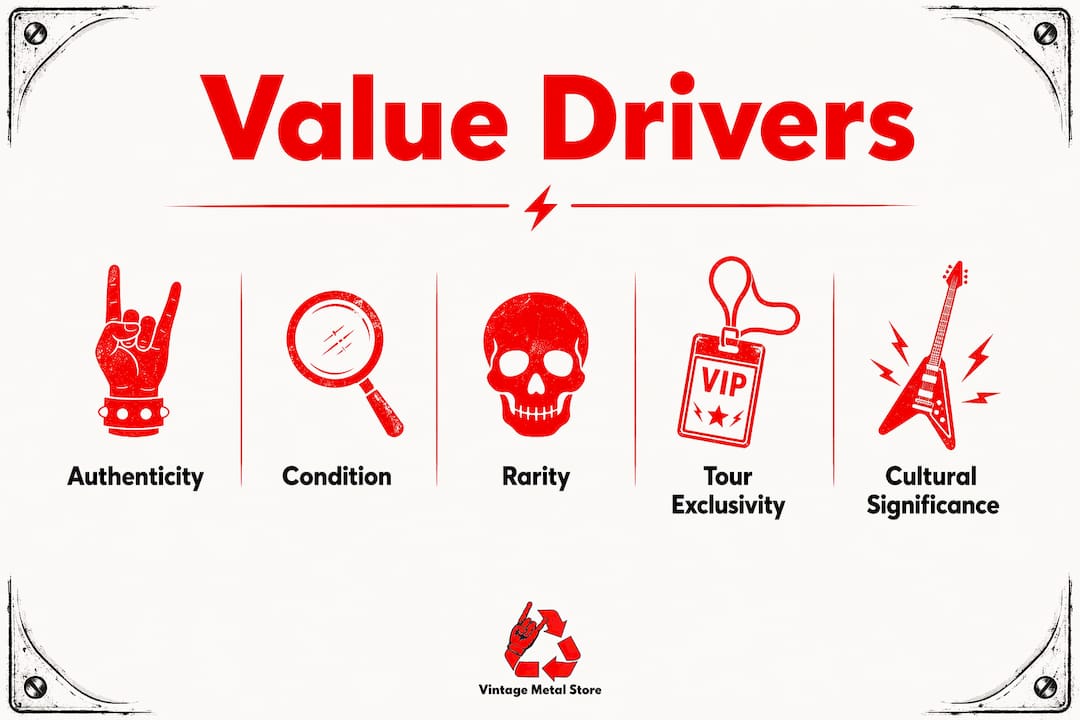
Original concert merchandise is defined as authentic apparel and memorabilia sold exclusively at or for a specific tour, show, or band event. The value of original concert merch rests on four pillars: authenticity, condition, rarity, and emotional significance. A vintage Metallica tour shirt from the early 1990s and a Grateful Dead tee from a 1973 festival sit at opposite ends of the price spectrum, yet both command serious collector interest. Understanding what separates a $50 find from a four-figure auction piece is the difference between a savvy collector and an expensive mistake.
What factors determine the value of original concert merch?
Authenticity is the single most important driver of original concert merchandise worth. A shirt with its original single-stitch tag, correct screen-print registration, and documented history of ownership will always outsell an identical-looking reproduction. Provenance and condition reporting supply premium buyers with confidence, encouraging high-value purchases even for worn items.
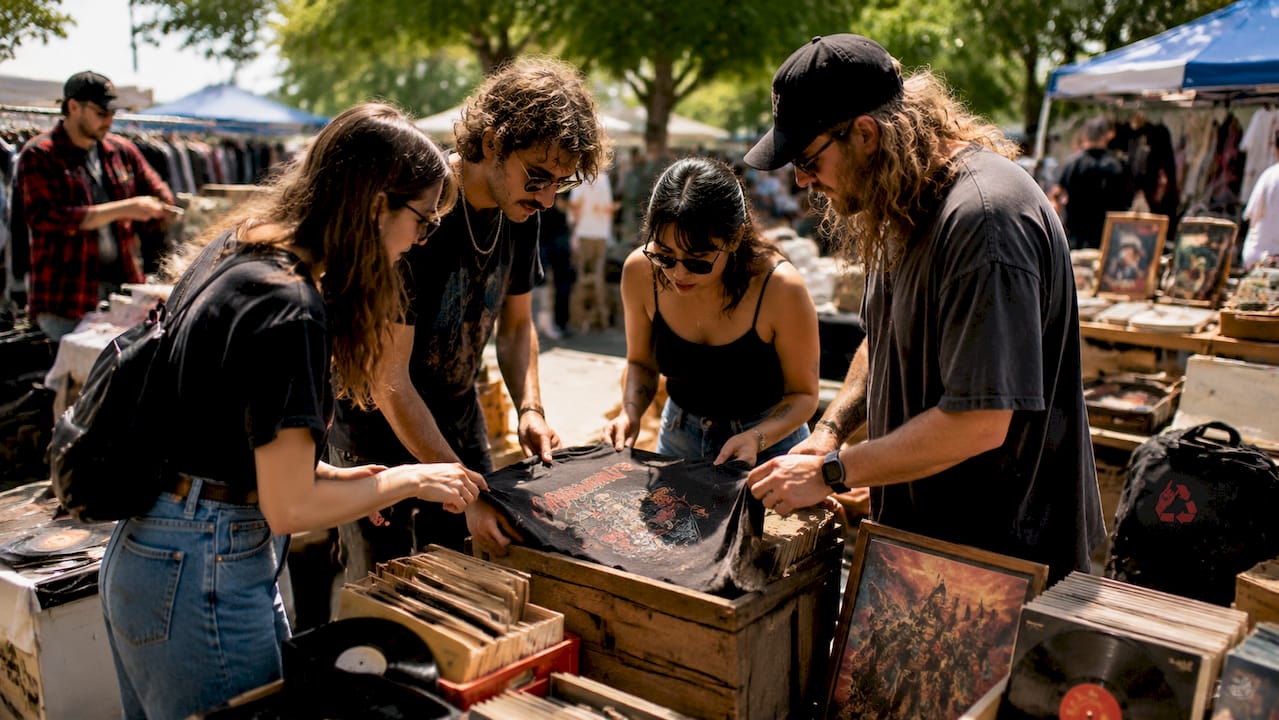
Condition shapes price more directly than most collectors expect. Minimal cracking on the print, intact original tags, and no significant fabric damage all increase resale appeal. Condition and intact tags are specifically noted in collector guides as the two most visible markers of a high-value listing.
Rarity and tour exclusivity add another layer. Tour-exclusive items tied to specific dates or limited runs hold what collectors call “golden ticket” status. They only existed for a short window, which makes them genuinely scarce rather than artificially so.
Emotional relevance rounds out the valuation picture. Emotional connection to fans tied to debut tours, lineup changes, or discontinued designs drives desirability beyond simple scarcity. Scarcity without fan desire yields modest value. Scarcity with deep fan attachment yields serious money.
Key valuation factors at a glance:
- Authenticity: Original tags, correct print registration, and documented ownership history
- Condition: Print integrity, fabric quality, and absence of repairs or alterations
- Rarity: Limited production runs, tour-only availability, or items from cancelled shows
- Emotional significance: Ties to historic shows, lineup changes, or milestone tours
- Provenance: Paper trail of ownership, purchase receipts, or auction house records
Pro Tip: Cross-reference any piece you are considering against sold listings on ValueYourMusic, which catalogues over 316,000 items with completed sale histories. Asking prices mean nothing without comparable sold results to back them up.
How to tell original concert merch from fakes and reissues
Spotting a fake is a skill that saves collectors real money. Bootleg and reproduction shirts flood the market, and the quality gap between a genuine 1980s Metallica tour shirt and a modern fake has narrowed enough to fool casual buyers. The differences between originals and fakes come down to specific physical details that reproductions consistently get wrong.
Follow this authentication checklist before any purchase:
- Check the tag. Original shirts from the 1980s and 1990s use single-stitch construction and carry tags from manufacturers like Fruit of the Loom, Hanes, or Screen Stars. Modern reproductions use double-stitch and updated tag designs.
- Examine the print. Genuine vintage prints show natural age: slight fading, minor cracking consistent with washing, and ink that sits into the fabric rather than sitting on top of it. Fake prints often look too crisp or show uniform artificial distressing.
- Feel the fabric. Authentic vintage shirts use a thinner, softer cotton weave. Modern reproductions tend to use heavier, stiffer fabric that feels noticeably different.
- Verify the design details. Compare the graphic against known authentic examples. Font choices, colour accuracy, and artwork proportions are common failure points for bootlegs.
- Request provenance documentation. A seller who cannot explain where the shirt came from should raise immediate concern. Auction-grade pieces carry written condition notes and ownership history.
Pro Tip: Use bootleg identification guides specific to heavy metal to cross-check tag details and print characteristics. Generic authentication advice misses genre-specific fakes that only metal collectors would recognise.
Reissues present a separate challenge. Official band reissues are not fakes, but they are not original concert merch either. Vintage originals differ significantly from reissues in collector value, even when the artwork is identical. The original carries the history. The reissue carries the image.
How do price ranges compare across different types of original concert merch?
Collecting concert merch value varies enormously depending on band, era, tour, and condition. The table below gives a practical overview of typical price brackets in the current market.
| Band / Item | Tour / Era | Rarity | Typical Value Range |
|---|---|---|---|
| Metallica | 1992 “Don’t Tread on Me” USA Tour | High | $200–$600+ |
| Grateful Dead | 1973 Watkins Glen Festival | Very High | $500–$2,000+ |
| Iron Maiden | 1980s “World Slavery Tour” | High | $150–$500 |
| Generic heavy metal | 1990s club tour | Moderate | $50–$150 |
| Limited edition signed | Final tour or cancelled show | Very High | $1,000+ |
Metallica 1992 tour shirts represent a strong mid-tier example. They are genuinely scarce, tied to a culturally significant album cycle, and carry strong fan recognition globally. A shirt in excellent condition with original tags sits at the higher end of that range. A faded, cracked example still sells, but at a fraction of the price.
The Grateful Dead 1973 Watkins Glen concert shirt illustrates the top end of the market. Sotheby’s auction listings show that even worn examples reach auction-tier valuations when provenance and authenticity are guaranteed. That is the power of documented history combined with genuine scarcity.
Sold listings rather than asking prices are the only reliable benchmark for assessing authentic concert items price. Sellers routinely list at aspirational figures. Completed sales tell you what the market actually paid.
Why does collecting original concert merch matter culturally?
Original concert memorabilia is tangible music history. A shirt from a 1985 Iron Maiden show is not just clothing. It is physical evidence that a person was present at a specific moment in metal culture. That connection to place and time is irreplaceable.
The cultural significance of vintage metal shirts extends well beyond nostalgia. Collectors preserve artefacts that document band lineups, graphic design eras, and touring history that would otherwise exist only in photographs or fading memories.
The benefits of collecting old band shirts extend across several dimensions:
- Identity: Wearing or owning original merch signals genuine knowledge and commitment to the genre
- Community: Collectors share authentication knowledge, trade pieces, and build networks around shared passion
- Preservation: Original items document graphic art, printing techniques, and band history that reissues cannot replicate
- Investment: Authentic pieces from significant tours appreciate over time, particularly as the original fan base ages and supply contracts
- Personal memorabilia: For fans who attended the original shows, these items carry irreplaceable personal meaning
The importance of concert memorabilia to heavy metal culture specifically is hard to overstate. Metal has always had a strong visual identity, and the shirt is the primary vehicle for that identity. Preserving old band tees protects both cultural history and long-term collector value. The two are inseparable.
Limited edition items with certificates and signed memorabilia from final tours or cancelled shows multiply collector value immediately. These pieces carry historical and monetary premiums that standard tour shirts cannot match.
Key takeaways
Authentic concert merch derives its value from provenance, condition, tour exclusivity, and emotional significance, with sold listings providing the only reliable price benchmark.
| Point | Details |
|---|---|
| Authenticity drives value | Original tags, correct print details, and documented ownership history separate genuine pieces from fakes. |
| Condition matters significantly | Minimal print cracking and intact original tags directly increase resale price and collector appeal. |
| Tour exclusivity commands premiums | Items tied to specific dates, limited runs, or cancelled shows carry the strongest market premiums. |
| Use sold listings, not asking prices | Completed sales on platforms like ValueYourMusic give accurate price benchmarks; asking prices often reflect seller hope, not market reality. |
| Cultural value compounds monetary value | Original concert merch preserves music history, fan identity, and band legacy beyond its resale price. |
David’s take on collecting heavy metal concert merch in 2026
The biggest mistake I see new collectors make is paying asking price without checking sold results first. I have watched people spend $300 on a shirt that sold for $80 three months earlier, simply because the listing looked authoritative. The market for authentic vintage band tees rewards patience and research, not impulse.
The Australian market in 2026 is genuinely interesting. Domestic supply of original heavy metal tour merch is tighter than in the US or UK, which means condition-graded pieces from local sellers carry a real premium. If you find a legitimate 1990s Australian tour shirt from a major international band, you are looking at something that rarely surfaces. Do not let it go without at least verifying the tag.
My honest advice on the wear versus preserve debate: if the shirt has significant collector value, store it properly and buy a reissue to wear. If it is a personal piece with sentimental value and modest resale worth, wear it with pride. The two categories serve different purposes, and conflating them leads to regret in both directions.
One thing I have noticed consistently: collectors who focus on emotional connection alongside market data build the best collections. Buying purely for investment without genuine passion leads to poor decisions. The pieces that hold value longest are the ones that matter to real fans, not just speculators.
— David
Authentic heavy metal concert merch at Vintage Metal Store
Vintage Metal Store stocks authentic vintage heavy metal shirts, ex-tour stock, and deadstock from major and cult metal tours across the decades.
For collectors chasing genuine pieces, the Metallica 1992 “Don’t Tread on Me” USA Tour shirt is a prime example of what original tour merch looks like at its best. Condition-graded, authenticity-verified, and genuinely rare. The full Metallica vintage collection covers 80s, 90s, and Y2K era shirts for collectors at every level. Every piece at Vintage Metal Store comes with honest condition notes so you know exactly what you are getting before it arrives in your hands. Shop the collection and wear the legacy.
FAQ
What makes original concert merch more valuable than a reissue?
Original concert merchandise was produced for a specific tour or show in limited quantities, making it genuinely scarce. Reissues replicate the artwork but carry none of the historical provenance or rarity that drives collector value.
How much is concert merch worth for heavy metal bands?
Prices range from around $50 for common 1990s club tour shirts to over $2,000 for rare, provenance-documented pieces from historic shows. Condition, band significance, and tour exclusivity are the primary price drivers.
How do I verify the authenticity of a vintage concert shirt?
Check the tag manufacturer, construction style (single-stitch for pre-2000s), print ageing, and fabric weight. Cross-reference the design against known authentic examples and request provenance documentation from the seller.
Is investing in concert merchandise a sound financial decision?
Authentic, condition-graded pieces from significant tours have appreciated consistently, particularly as original supply contracts. Tour-specific exclusivity combined with documented authenticity is the strongest driver of market premiums, but collectors should research sold listings before treating any piece as a guaranteed investment.
Where can I find reliable price data for vintage concert shirts?
ValueYourMusic catalogues over 316,000 items with completed sale histories, making it the most comprehensive public resource for benchmarking vintage concert shirt prices by band, tour, and condition.
Recommended
- Band tour merch: value, rarity, and collector insights – Vintage Metal Store
- Band merchandise history: From rare tees to metal icons – Vintage Metal Store
- Why old band shirts cost more: a collector’s value guide – Vintage Metal Store
- Guided tour of merch history: metal’s wearable legacy – Vintage Metal Store


