



TL;DR:
- Vintage band shirts from the nineties can sell for hundreds to thousands of dollars at auction.
- Factors like rarity, condition, provenance, and graphic variants determine a shirt’s value.
- Growing demand is driven by nostalgia, celebrity influence, streetwear crossover, and shrinking vintage stock.
That faded Metallica shirt you spotted at a garage sale last weekend could be sitting on a goldmine. A single vintage tour tee from the early nineties can fetch anywhere from $300 to well over $2,000 at auction, and the gap between a bargain and a bust comes down to knowing exactly what you’re looking at. The market for old band shirts has shifted dramatically, and the forces driving prices upward are more layered than most people realise.
Table of Contents
- From merchandise to must-have: how old band shirts gained prestige
- The price equation: what really drives value in vintage band shirts
- Why are prices rising now? Demographics, nostalgia and streetwear crossover
- Tips for collectors: spotting value and making smart purchases
- The hidden truth most collectors miss about vintage band shirts
- Find rare vintage metal shirts and start your collection
- Frequently asked questions
Key Takeaways
| Point | Details |
|---|---|
| Rarity drives price | Limited runs, unique graphics, and provenance make vintage shirts especially valuable to collectors. |
| Cultural trends matter | Celebrity wear and streetwear crossovers raise interest and values in old band tees. |
| Collector demand surges | Younger buyers and seasoned collectors are pushing the market higher, with a 27% growth reported last year. |
| Inspect before purchase | Checking tags, fabric, and print quality helps ensure authenticity and protect your investment. |
| Sentimental value counts | Beyond price, the cultural and personal history behind a shirt can be just as meaningful for collectors. |
From merchandise to must-have: how old band shirts gained prestige
Not so long ago, band shirts were purely functional. You bought one at a concert, wore it until it fell apart, and thought nothing more of it. The idea that a screen-printed cotton tee from a Slayer tour in 1986 might one day be worth more than a decent guitar amp would have seemed absurd to most fans at the time.
The shift happened gradually, then suddenly. A combination of cultural forces transformed these pieces from tour souvenirs into wearable artefacts. Pop culture played a huge role. When celebrities started wearing old band shirts not as a fashion statement but as a genuine expression of taste, the wider audience took notice. The market grew 27% year on year according to 2023 data, fuelled by nostalgia, celebrity endorsements, and the crossover into streetwear culture.
Think about how quickly the Fleetwood Mac effect played out after Harry Styles was photographed in a worn vintage tee. Demand spiked almost overnight, and resellers who held stock suddenly found themselves fielding offers they hadn’t anticipated. The same pattern plays out repeatedly across heavier genres, just at a slightly different pace and with a different cast of influencers.
What drives this prestige? Several overlapping factors:
- Scarcity: Tour runs from the eighties and nineties were printed in limited quantities. No digital records. No second pressing.
- Authenticity: A shirt that was actually at a show carries an intangible energy that no reproduction can replicate.
- Crossover appeal: Streetwear culture has enthusiastically absorbed music iconography, broadening the buyer pool far beyond traditional metal fans.
- Gen Z collectors: Younger buyers who weren’t alive during the original tours see these shirts as wearable pieces of music history, and they’re willing to pay accordingly.
“A vintage band shirt isn’t just clothing. For the collector, it’s a document. It says: this music existed, this moment happened, and someone was there.”
Understanding why the prestige developed is only the beginning. The more practical question is what specific factors determine whether a shirt is worth $80 or $800. That’s where the real knowledge lives, and it’s what separates a confident collector from someone paying too much for a reprint. You can learn more about preserving old band tees to protect your investment once you’ve found something genuine.
The price equation: what really drives value in vintage band shirts
Walk into any serious collector’s space and you’ll notice they don’t talk about shirts the way a casual fan does. They talk about tour legs, printing houses, tag styles, and graphic variants. These details aren’t obscure trivia. They’re the practical language of value.
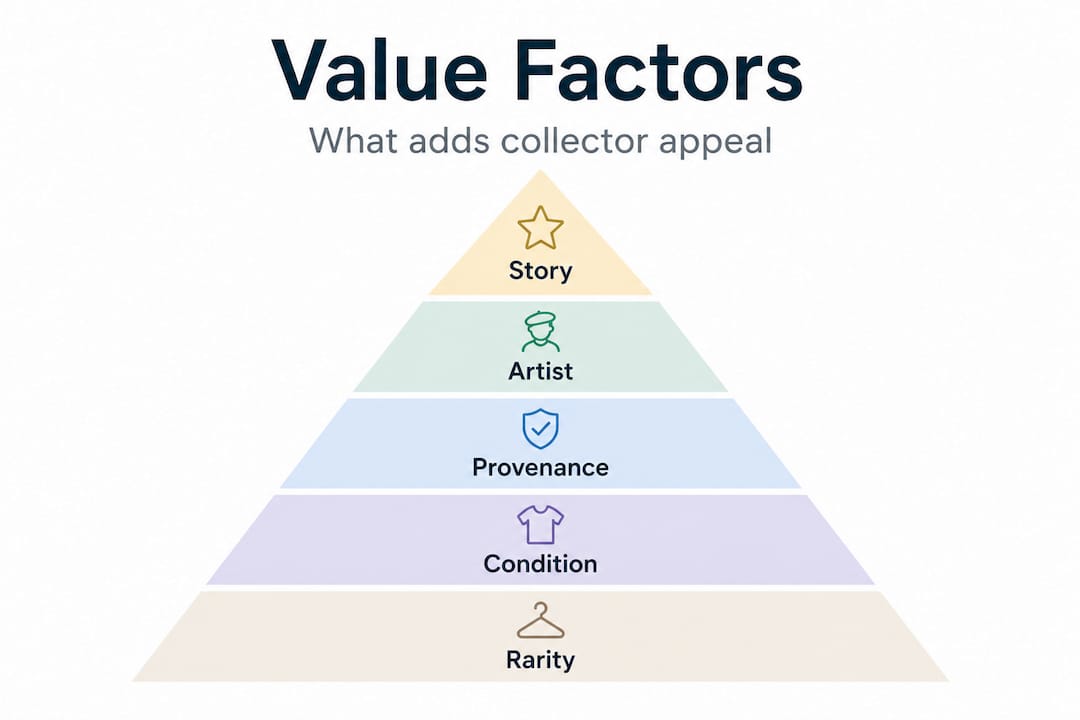
Here’s a breakdown of the key factors that influence what a shirt is actually worth:
| Factor | Low value indicator | High value indicator |
|---|---|---|
| Rarity | Mass-produced, widely available | Limited tour run, regional exclusive |
| Condition | Heavy fading, holes, staining | Deadstock, unworn, original fold lines |
| Provenance | Unknown origin | Documented tour stock, original owner |
| Artist profile | Lesser-known or inactive bands | Iconic bands at peak cultural relevance |
| Age | 2000s reprint | Pre-1990s original pressing |
| Print quirks | Standard design | Errors, variant colourways, unique dates |
Condition is probably the most straightforward factor. An unworn shirt from a 1988 Judas Priest tour, still with its original fold lines and factory tag, commands a premium that a worn version of the same shirt simply cannot. That said, condition alone won’t save a shirt from a band with limited collector appeal.
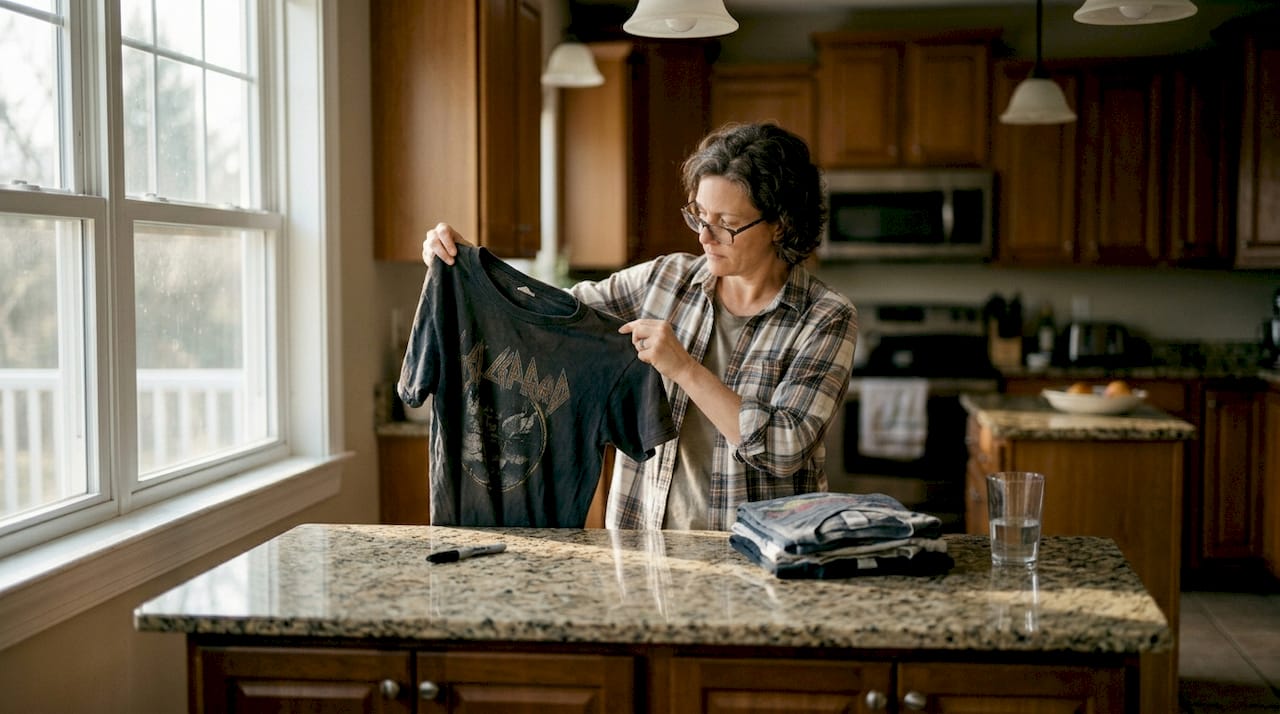
Provenance is the factor most collectors underestimate at first. A shirt with a clear history, whether that’s ex-tour stock that never made it to merchandise tables, or deadstock from a band’s own storage, carries a credibility that’s worth real money. Knowing where something came from matters enormously. This is especially true as reproductions become more sophisticated and harder to identify by visual inspection alone.
Here’s a numbered breakdown of what to assess when valuing a shirt:
- Check the tag: Original Hanes, Fruit of the Loom, or Anvil tags from specific eras have distinct typography and construction details that date the shirt reliably.
- Examine the print: Vintage screen printing has a particular texture, colour saturation, and cracking pattern that differs from modern heat transfer or digital printing.
- Look at the stitching and hem: Single-stitch construction is a strong indicator of pre-1994 manufacturing, as double-stitching became standard after that point.
- Identify the graphic variant: Some tours produced multiple graphic versions for different legs or markets. Variant identification requires research but adds significant value.
- Assess wear authentically: Genuine age shows in specific ways. Uniform fading across the entire shirt, natural cracking on prints, and collar wear that matches the rest of the fabric all signal authentic ageing rather than artificial distressing.
Pro Tip: Cross-reference the tour dates printed on the back of a shirt with setlist archives and concert databases. If the dates don’t match a real tour leg, the shirt may be a bootleg or reproduction, regardless of how it looks.
The importance of vintage tees as collector assets becomes clearer when you realise that even small details like a misprint or an unusual colourway can double or triple a shirt’s value. For a thorough grounding in how to approach this as a collector, the guide to vintage heavy metal tees is an excellent starting point.
Why are prices rising now? Demographics, nostalgia and streetwear crossover
The vintage band shirt market didn’t just grow. It transformed. The buyer who was purchasing Iron Maiden tees in the nineties was almost exclusively a metal fan. Today, that same shirt might be bought by a Sydney streetwear collector, a Tokyo fashion student, or a Los Angeles influencer who has never attended a metal concert in their life.
The vintage shirt market grew 27% year on year according to 2023 reporting, and this figure reflects a genuinely broader buyer base rather than just inflation among existing collectors.
What’s behind the surge right now:
- Gen Z’s appetite for analogue authenticity: In an era of digital everything, physical objects with a real history hold enormous appeal. Wearing a shirt from a 1994 Pantera tour is a statement about values, not just taste.
- Celebrity and influencer amplification: A single post from a high-profile figure in a rare band shirt can spike search traffic and prices within hours. This effect is well-documented and shows no sign of slowing.
- Streetwear’s absorption of music culture: Labels and collectors who operate in streetwear now actively seek out vintage band merch as part of their broader aesthetic. This crossover expanded the market substantially.
- Scarcity increasing over time: Every year, original shirts are lost to poor storage, wear, or destruction. The pool of genuine vintage stock only ever shrinks.
Understanding how band tee trends start helps you anticipate demand before prices spike. Collectors who got ahead of the Metallica surge in the early 2020s, for example, did so because they understood the underlying dynamics rather than reacting to headlines.
If you’re thinking about collecting band tees in 2026, the time to build knowledge is before prices climb further. The buyers who waited until something appeared in mainstream media consistently overpaid.
Tips for collectors: spotting value and making smart purchases
Armed with an understanding of what drives value, the practical question becomes: how do you apply this knowledge when you’re standing in front of a rack of shirts, or browsing a sale with a dozen listings?
A step-by-step approach that works:
- Research before you buy: Know the standard price range for the specific band, era, and shirt variant you’re looking at. Use sold listings on resale platforms rather than asking prices. What something sells for is the only number that matters.
- Inspect every detail in person where possible: Photos can hide damage, mask reproductions, and misrepresent colour. Whenever you can physically handle a shirt, do so.
- Ask for provenance documentation: Reputable sellers will have records of where their stock originated. Ex-tour stock and deadstock items should come with some form of documentation or credible explanation.
- Compare construction details with known originals: Build your knowledge by examining shirts whose authenticity you’re certain of. The differences between originals and reprints become obvious once you’ve trained your eye.
- Factor in storage and preservation costs: A shirt in excellent condition will only retain its value if stored correctly. Acid-free tissue, cool dry environments, and UV-protected display options all cost money but protect your investment.
- Diversify your sources: Don’t rely on a single platform or seller. Cross-reference prices, source from multiple trusted suppliers, and build relationships with other collectors who can advise on specific items.
The advantages of buying second-hand shirts from reputable sources go beyond price. Established sellers in this space often have access to ex-tour stock and deadstock that simply never appears on general resale platforms.
Understanding fabric types in 1990s shirts is genuinely useful knowledge here. The specific cotton weights and blends used by different manufacturers across different eras are reliable authentication markers, and knowing them saves time and money.
Pro Tip: When assessing condition, always check the underarm seams and collar interior. These areas show the most authentic wear and are the hardest to fake. Artificial distressing rarely replicates the specific wear patterns found in these spots on genuine vintage shirts.
The hidden truth most collectors miss about vintage band shirts
Here’s the uncomfortable part of this conversation. The market data, the auction results, the year-on-year growth figures: they tell one story about value. But that story is incomplete, and experienced collectors know it.
The most valuable shirts in many collections aren’t the most expensive ones. They’re the ones with a story attached. The shirt someone wore to a show the night before a band member passed away. The crew shirt passed on by a roadie who worked the entire tour. The original merch table stock that sat in a venue’s back room for thirty years before surfacing.
Numbers reflect market sentiment at a given moment. Sentiment is volatile. A celebrity endorsement can triple the price of a shirt in a week, and that same shirt might settle back to half that price eighteen months later. Chasing the market is an exhausting and often expensive exercise.
The collectors who build genuinely significant collections over time tend to do something different. They buy what they understand, what they can authenticate, and what has cultural and historical significance that doesn’t depend on a trending post to maintain relevance.
This doesn’t mean ignoring market data. It means treating it as one input among many rather than the primary driver of decisions. A shirt from a formative album tour by a band that shaped an entire genre will always have a floor of value that hype-driven items simply can’t guarantee. The collectors who focus on authenticity, provenance, and genuine cultural weight tend to be more satisfied with their collections and more protected from market fluctuations.
Find rare vintage metal shirts and start your collection
If this breakdown has sharpened your eye for what makes an old band shirt genuinely valuable, the next step is finding pieces that actually meet that standard.
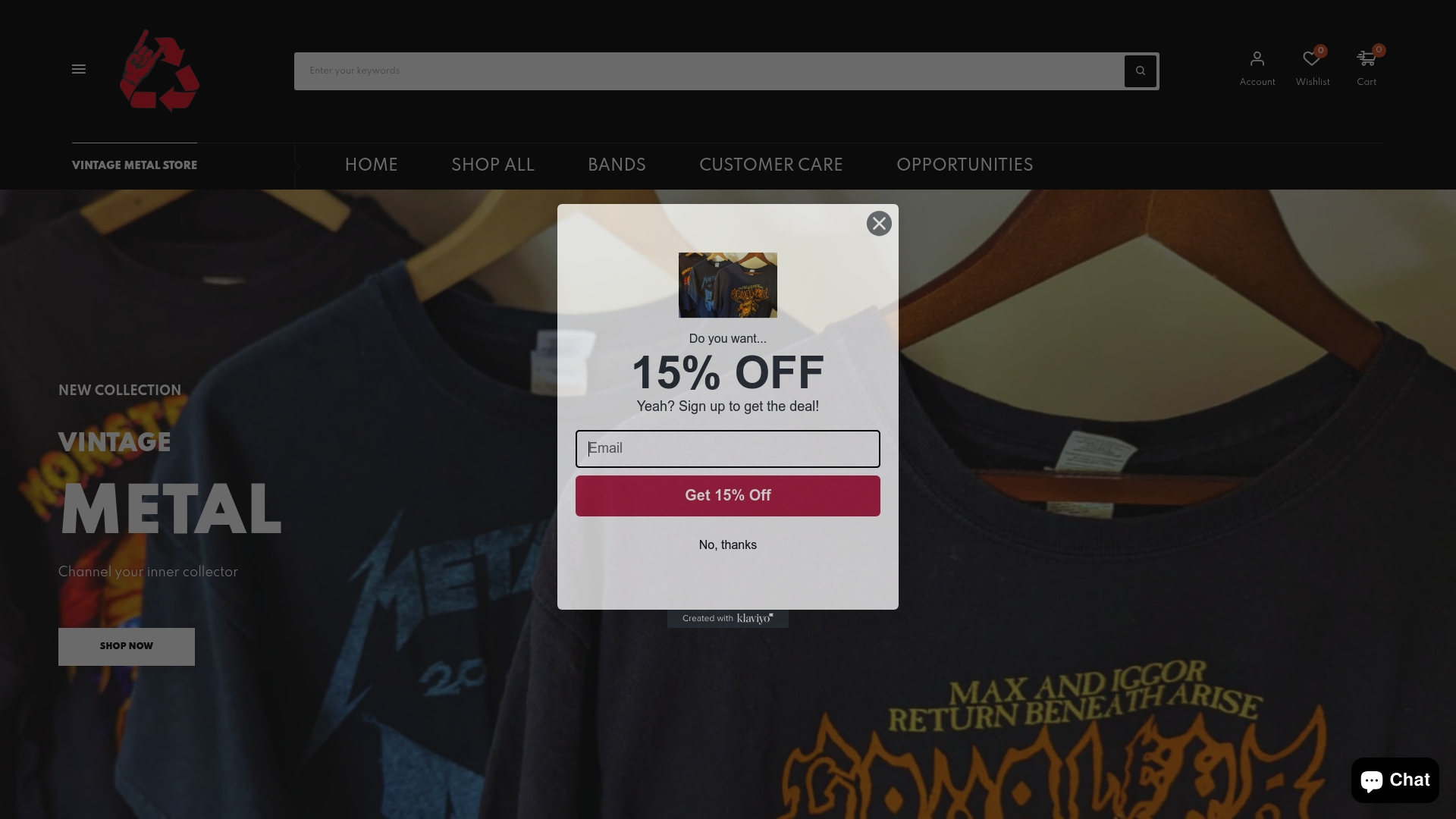
At Vintage Metal, every shirt in the catalogue is sourced with collectors in mind. That means ex-tour stock, deadstock, and second-hand pieces with verified provenance rather than repro-heavy filler. Whether you’re after something specific like a rare Metallica 1992 tour tee or you want to browse a broader selection of vintage Metallica shirts, the focus is always on authenticity. Explore the full range of vintage heavy metal shirts and find pieces with the kind of history that holds its value long after a trend has passed.
Frequently asked questions
Are all old band shirts valuable or just some?
Not all old band shirts are valuable. Rarity, condition, artist significance, and provenance are the real determinants of worth, and most mass-produced shirts from large tours have limited collector appeal unless they meet multiple criteria simultaneously.
Why do some modern reproductions cost less than original vintage shirts?
Reproductions lack the rarity, documented history, and authentic provenance that serious collectors prize. The 27% market growth in vintage shirts reflects demand for the real thing, not for copies that any printer can produce on demand.
How can I tell if a band shirt is genuine vintage?
Examine the tag manufacturer, fabric construction, single versus double stitching, print texture, and natural wear patterns. Authentic pre-1994 shirts typically show single-stitch construction, and their print cracking follows specific patterns that differ from artificially aged reproductions.
What’s the appeal for Gen Z collectors?
Gen Z collectors see vintage band shirts as tangible connections to music history and personal expression that no digital file can replicate. The nostalgia economy has made physical artefacts from music’s past deeply attractive to a generation that grew up with everything on-demand and nothing physical.
Recommended
- Fabric types in 1990s band shirts: a collector’s guide – Vintage Metal Store
- Why preserve old band tees? Value, culture and know-how – Vintage Metal Store
- Collector’s guide to vintage heavy metal t-shirts: spot, value, collec – Vintage Metal Store
- 7 Steps to the Ultimate Heavy Metal Shirts Buying Checklist – Vintage Metal Store


