



Tracking down authentic vintage heavy metal band shirts has become increasingly challenging for collectors navigating a market flooded with reprints and questionable merchandise. Second hand band shirts offer distinct advantages that modern reproductions simply cannot match, from verifiable authenticity and cultural significance to investment potential and environmental sustainability. Understanding these benefits, alongside practical authentication criteria, empowers collectors to make informed purchasing decisions and build valuable collections that honour metal’s legendary touring history and iconic imagery.
Table of Contents
- Authenticity: How To Verify Genuine Vintage Band Shirts
- Investment Potential And Cultural Value Of Vintage Band Shirts
- Sustainability And Quality Benefits Of Second Hand Band Shirts
- Common Pitfalls And Expert Tips For Buying Second Hand Band Shirts
- Explore Authentic Vintage Band Shirts At Vintage Metal Store
- Frequently Asked Questions About Second Hand Band Shirts
Key takeaways
| Point | Details |
|---|---|
| Authentic vintage shirts offer verified cultural and historic value | Original tour merchandise carries provable provenance through era-specific construction details and materials |
| Second hand shirts can appreciate in value | Rare pieces from iconic tours have demonstrated significant financial growth, with some examples increasing 300-400% over time |
| Pre-owned shirts support sustainability | Vintage shirts utilise durable materials and reduce environmental impact compared to fast fashion alternatives |
| Expert authentication is essential | Proper verification through construction details, tags, and wear patterns prevents costly mistakes and maximises collection value |
Authenticity: how to verify genuine vintage band shirts
Authentic vintage band shirts feature single-stitch construction on hems and sleeves, a telltale marker that separates genuine pieces from modern reprints using double-stitch methods. This construction detail, combined with era-appropriate tags from manufacturers like Screen Stars, Brockum, or Fruit of the Loom, provides collectors with concrete physical evidence of a shirt’s origins. Understanding what makes a shirt vintage requires examining multiple authentication points rather than relying on a single indicator.
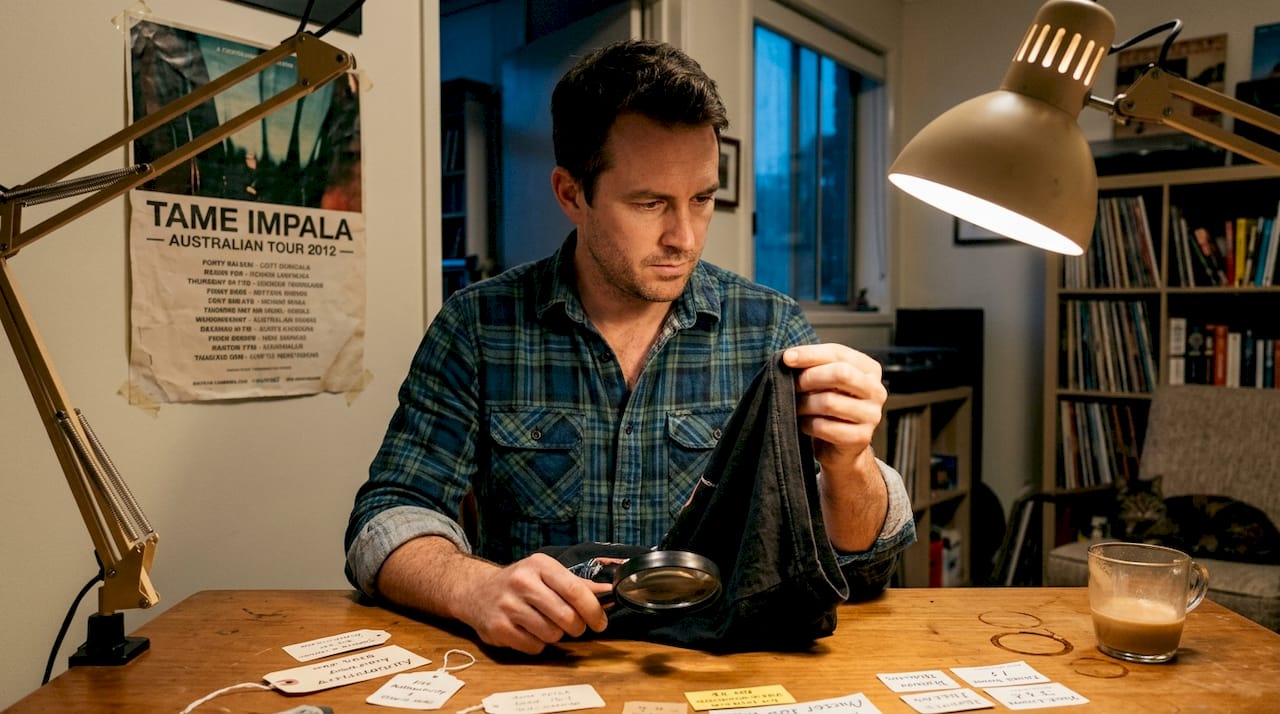
Natural wear patterns tell stories that counterfeiters struggle to replicate convincingly. Genuine plastisol prints develop organic cracking over decades, creating distinctive patterns where ink flexes and ages naturally with the fabric. These imperfections add character whilst confirming authenticity, as modern reprints typically use softer inks that lack this historical weathering. The cotton itself feels different, with vintage shirts offering a thicker, more substantial hand compared to lightweight modern alternatives.
Collectors should examine collar construction, tag placement, and print registration carefully. Authentic pieces show slight imperfections in screen printing alignment, reflecting the manual production methods of touring merchandise operations. Reprints often display suspiciously perfect registration and unnaturally uniform fading patterns designed to mimic age.
Key authentication markers:
- Single-stitch construction on sleeves and hem
- Era-correct manufacturer tags (Screen Stars, Brockum, Fruit of the Loom)
- Natural plastisol ink cracking patterns
- Thicker cotton fabric weight
- Slight print registration imperfections
Pro Tip: Examine the shirt’s collar and armpits under good lighting. Authentic vintage pieces show consistent wear patterns in high-stress areas, whilst fakes often display artificial distressing that looks too uniform or appears in illogical locations.
Investment potential and cultural value of vintage band shirts
The vintage band apparel market experienced 67% year-over-year growth, with iconic pieces like 1985 Slayer tour shirts commanding $600 at auction and rare Metallica examples fetching premium prices from serious collectors. This appreciation reflects both scarcity and the deep cultural significance these shirts carry as tangible connections to metal’s most legendary touring moments. Understanding why vintage shirts are collectible helps collectors identify pieces with genuine investment potential beyond mere nostalgia.
Rarity drives value in predictable ways. Tour-specific merchandise from watershed moments, early career shirts before bands achieved mainstream success, and limited regional releases consistently outperform generic band logos in both cultural cachet and financial appreciation. A Metallica 1991 Black Album tour shirt holds more value than a standard logo tee because it represents a specific cultural moment when the band crossed into mainstream consciousness whilst maintaining their thrash metal credibility.
Condition significantly impacts collectible status, but collectors should understand that natural wear differs from damage. A shirt with organic fading and soft cracking retains value, whilst pieces with holes, stains, or structural damage see dramatic price reductions. The sweet spot exists in well-preserved examples showing authentic age without compromising wearability or display quality.
| Band/Tour | Year | Typical Value Range | Key Value Factors | | — | — | — | | Slayer Reign in Blood Tour | 1985 | $400-$600 | Early thrash era, limited production | | Metallica Black Album Tour | 1991 | $300-$500 | Cultural watershed moment, high demand | | Iron Maiden World Slavery Tour | 1984-1985 | $350-$550 | Iconic tour, distinctive artwork | | Pantera Vulgar Display Tour | 1992 | $250-$400 | Peak groove metal era, devoted fanbase |
Current vintage heavy metal shirt trends in 2026 show sustained collector interest across multiple subgenres, with thrash and NWOBHM pieces commanding particular attention. This broad appeal creates market stability whilst allowing specialisation opportunities for collectors focusing on specific bands or eras.
Investment considerations:
- Tour-specific merchandise typically appreciates faster than generic designs
- Condition dramatically affects value, but natural wear differs from damage
- Provenance documentation increases buyer confidence and resale potential
- Subgenre trends influence short-term prices but quality pieces hold long-term value
Sustainability and quality benefits of second hand band shirts
Vintage band shirts utilise substantially thicker, more durable cotton compared to modern fast fashion alternatives, with many examples from the 1980s and 1990s still maintaining structural integrity decades later. This superior material quality stems from different manufacturing priorities, when touring merchandise emphasised durability over profit margins. The secondhand market reached $227 billion in 2024, reflecting growing consumer awareness about sustainability and quality in fashion choices.
Buying pre-owned vintage shirts eliminates the environmental costs associated with new production, including water consumption, chemical dyes, and transportation emissions. Each second hand purchase extends a garment’s lifecycle whilst avoiding the resource-intensive manufacturing process required for new merchandise. This environmental advantage aligns with broader sustainability trends without compromising on quality or authenticity.
The character developed through natural ageing adds aesthetic value that new shirts cannot replicate. Soft cotton that has been washed hundreds of times achieves a comfort level impossible in fresh merchandise, whilst organic fading creates unique colour variations. This patina represents genuine history rather than manufactured distressing, connecting wearers to the shirt’s journey through metal culture.
Modern band merchandise often uses lightweight cotton blends optimised for profit margins rather than longevity. Vintage pieces from quality manufacturers like Screen Stars or Fruit of the Loom feature heavier fabric weights that resist stretching, maintain shape, and develop appealing softness without structural degradation. Understanding why vintage t-shirts matter helps collectors appreciate these quality differences beyond simple nostalgia.
Sustainability advantages:
- Eliminates environmental costs of new production
- Extends garment lifecycle, reducing landfill waste
- Superior cotton quality ensures decades of wearability
- Reduces demand for resource-intensive fast fashion manufacturing
Pro Tip: Check fabric weight by holding the shirt up to light. Vintage pieces typically show less light transmission due to thicker cotton, whilst modern reprints often appear noticeably thinner and more translucent.
Common pitfalls and expert tips for buying second hand band shirts
Counterfeit vintage shirts flood the market, with modern reprints attempting to mimic authentic pieces through artificial distressing and fake tags. Double-stitch construction and soft ink prints immediately identify reproductions, regardless of seller claims about age or provenance. Collectors must develop authentication skills to avoid paying premium prices for worthless fakes that lack both cultural significance and investment potential.
Condition assessment requires nuanced understanding of how natural wear differs from damage. Organic fading, soft cracking in prints, and slight collar stretching represent authentic age, whilst holes, stains, and structural tears significantly reduce value. Some collectors specifically seek heavily worn examples for their character, but buyers should understand how condition affects both current value and future appreciation potential.
Authentication checklist:
- Examine hem and sleeve construction for single-stitch details
- Verify tag authenticity against known manufacturer examples from the era
- Assess print cracking patterns for natural versus artificial distressing
- Check fabric weight and texture against modern reproductions
- Inspect collar and armpit areas for consistent wear patterns
- Research tour dates and merchandise designs for historical accuracy
- Request detailed photographs showing all tags, construction details, and wear areas
| Feature | Genuine Vintage | Modern Reprint |
|---|---|---|
| Hem construction | Single-stitch | Double-stitch |
| Fabric weight | Thick, substantial cotton | Lightweight, thin cotton |
| Print texture | Raised plastisol with natural cracking | Soft ink, uniform appearance |
| Tags | Era-appropriate manufacturers | Modern or fake vintage tags |
| Wear patterns | Organic, consistent with age | Artificial distressing, illogical placement |
| Typical value | $200-$600+ for rare pieces | $20-$50 maximum |
Rare tour shirts and early career merchandise command premium prices, but collectors should verify authenticity before paying top dollar. A comprehensive buying checklist helps systematise authentication and condition assessment, reducing emotional purchasing decisions that lead to overpaying for questionable pieces.
Common red flags:
- Suspiciously perfect print condition on supposedly decades-old shirts
- Modern tag styles attached to vintage-style designs
- Uniform artificial distressing across the entire garment
- Prices significantly below market value for claimed rarity
Pro Tip: Embrace natural patina rather than seeking mint condition pieces. Well-worn authentic shirts often carry more character and cultural significance than pristine examples, whilst still maintaining substantial collector value if properly authenticated.
“The worn patina on authentic vintage band shirts represents genuine history and connection to metal culture. Collectors increasingly value this character over pristine condition, recognising that natural wear tells the story of the shirt’s journey through decades of metal fandom.”
Understanding how to find rare 1990s heavy metal shirts requires patience and knowledge, but the investment in authentication skills pays dividends through confident purchasing and collection building.
Explore authentic vintage band shirts at Vintage Metal Store
Now that you understand the authentication criteria and investment potential of second hand band shirts, exploring curated collections from trusted sources becomes the logical next step. Vintage Metal Store specialises in authenticated vintage heavy metal merchandise, offering collectors access to rare tour shirts and deadstock pieces with verified provenance.
The store’s collection includes authenticated pieces across metal’s most iconic eras and subgenres. Whether you’re seeking thrash classics, NWOBHM rarities, or groove metal tour merchandise, the curated selection reflects the same authentication standards and quality criteria discussed throughout this guide.
Featured collections:
- Rare Metallica 1992 tour merchandise with verified provenance
- Vintage Metallica shirts spanning multiple touring eras
- Authenticated Iron Maiden, Slayer, and Pantera pieces
- Comprehensive vintage heavy metal collections across subgenres
Each piece undergoes authentication using the criteria outlined in this guide, ensuring collectors receive genuine vintage merchandise rather than modern reproductions. Browse the collection to discover authenticated shirts that combine cultural significance, investment potential, and the superior quality that defines authentic vintage band merchandise.
Frequently asked questions about second hand band shirts
What are key indicators of an authentic vintage band shirt?
Authentic vintage shirts display single-stitch construction on hems and sleeves, era-appropriate manufacturer tags like Screen Stars or Brockum, and natural plastisol ink cracking. The fabric feels substantially thicker than modern reproductions, and wear patterns appear organic rather than artificially distressed.
How much can a rare heavy metal band shirt appreciate over time?
Rare tour shirts from iconic bands can appreciate 300-400% over decades, with some 1980s thrash pieces commanding $400-$600 at current market rates. Appreciation depends on rarity, condition, cultural significance, and sustained collector demand for specific bands or tours.
Why are second hand band shirts considered more sustainable?
Pre-owned vintage shirts eliminate the environmental costs of new production, including water consumption, chemical dyes, and manufacturing emissions. The durable cotton used in vintage pieces extends garment lifecycles significantly compared to modern fast fashion alternatives, reducing overall environmental impact.
What risks should buyers watch for when purchasing vintage tees?
Counterfeit reproductions represent the primary risk, identifiable through double-stitch construction, soft modern inks, and fake tags. Poor condition including holes, stains, and structural damage significantly reduces value, whilst artificially distressed pieces masquerading as authentic vintage waste collector budgets.
How does natural wear affect the value of a second hand band shirt?
Organic wear including soft fading, natural print cracking, and slight collar stretching generally maintains value whilst adding character and authenticity. Collectors increasingly appreciate this patina as evidence of genuine history, distinguishing it from damage like holes or stains that dramatically reduce collectible status and market value.
Recommended


