


Deadstock metal shirts are the real deal: unworn, unfolded, and untouched since the original production run. The advantages of dead stock metal shirts come down to three things that matter most to serious collectors. First, pristine fabric and print quality that no used shirt can match. Second, genuine sustainability credentials by repurposing stock that would otherwise be discarded. Third, rarity and authentic provenance that drives real collector value, especially here in Australia where genuine pieces are genuinely scarce.
The core benefits at a glance:
- Fabric and print are in original condition, never washed or worn
- No shrinkage, fading, or print cracking from previous use
- Reduces textile waste by repurposing surplus production stock
- Scarcity creates strong collector and resale value
- Authentic vintage origin that reproductions simply cannot replicate
- Australian market shortage makes local finds particularly prized
- Often more cost-effective than paying a premium for a well-worn original
What deadstock actually means, and how to spot the genuine article
Deadstock, in the context of metal shirts, refers to garments from original production runs that were never sold at retail or worn. They sat in storage, sometimes for decades, untouched. That is fundamentally different from a used vintage shirt, which has been worn and washed, and from a reprint, which is a modern reproduction using contemporary materials and printing methods.
The distinction matters enormously for collectors. A used vintage Metallica shirt from 1992 carries history on its fabric. A deadstock version of that same shirt carries history and original condition. Reproductions carry neither.
| Feature | Deadstock | Used vintage | Reprint |
|---|---|---|---|
| Worn or washed | Never | Yes | No (but new) |
| Original production | Yes | Yes | No |
| Print integrity | Pristine | Variable | Modern ink |
| Collector authenticity | Highest | High | Low |
| Fabric age | Vintage, unused | Vintage, used | New |
Authentication is where collectors need to pay close attention. Genuine deadstock metal shirts show specific signs: original folding creases still visible in the fabric, tags that match the era’s labelling conventions, screen-print ink that sits slightly raised and vivid rather than cracked or faded, and sometimes original retail stickers or band tour packaging still attached. Storage marks like light yellowing on fold lines can actually confirm age without compromising quality.
Pro Tip: Check the tag construction first. Pre-1995 shirts typically used single-needle stitching on the tag seam and printed or woven labels specific to the era. A tag that looks too clean and modern on a claimed 1980s shirt is a red flag. Vintage Metal Store’s collector authentication guide walks through exactly what to look for.
Why deadstock metal shirts offer superior quality
The quality advantage of deadstock shirts is straightforward: nothing has degraded them. No washing cycles, no heat from a dryer, no friction from repeated wear. The fabric sits exactly as it left the factory.
Screen-printed graphics on metal shirts from the 1980s and 1990s were produced using plastisol inks and techniques that, when preserved in original condition, hold colour and detail that modern reprints struggle to replicate convincingly. On a deadstock piece, those prints remain sharp, the colours vivid, and the ink layer intact.
“Deadstock fabric from reputable mills is often of equal or better quality than fabrics used in luxury production.” The same principle applies to deadstock metal shirts: the original garment quality is preserved in full, without the degradation that comes from use or improper storage.
Original sizing is another underrated benefit. Vintage shirts were cut differently to modern fits, and a deadstock piece gives you the true original dimensions without the distortion that washing and wearing introduces. Collectors who want to display or wear a shirt in its authentic form get exactly that. Deadstock apparel also bypasses the long production waits associated with new manufacturing, meaning the garment you receive reflects the original craft without modern shortcuts.
Key quality benefits of deadstock metal shirts:
- Zero wash damage: no shrinkage, colour bleed, or fabric thinning
- Print vibrancy preserved from original manufacturing
- Fabric weight and composition unchanged from production
- Original fit dimensions intact, true to the era’s cut
- No pilling, fraying, or stress marks from repeated wear
How deadstock shirts support sustainable fashion choices
Choosing deadstock is one of the most direct ways to reduce your impact on textile waste. Global textile waste exceeds 92 million tonnes annually; every deadstock shirt purchased directly keeps one garment from becoming part of this staggering total.
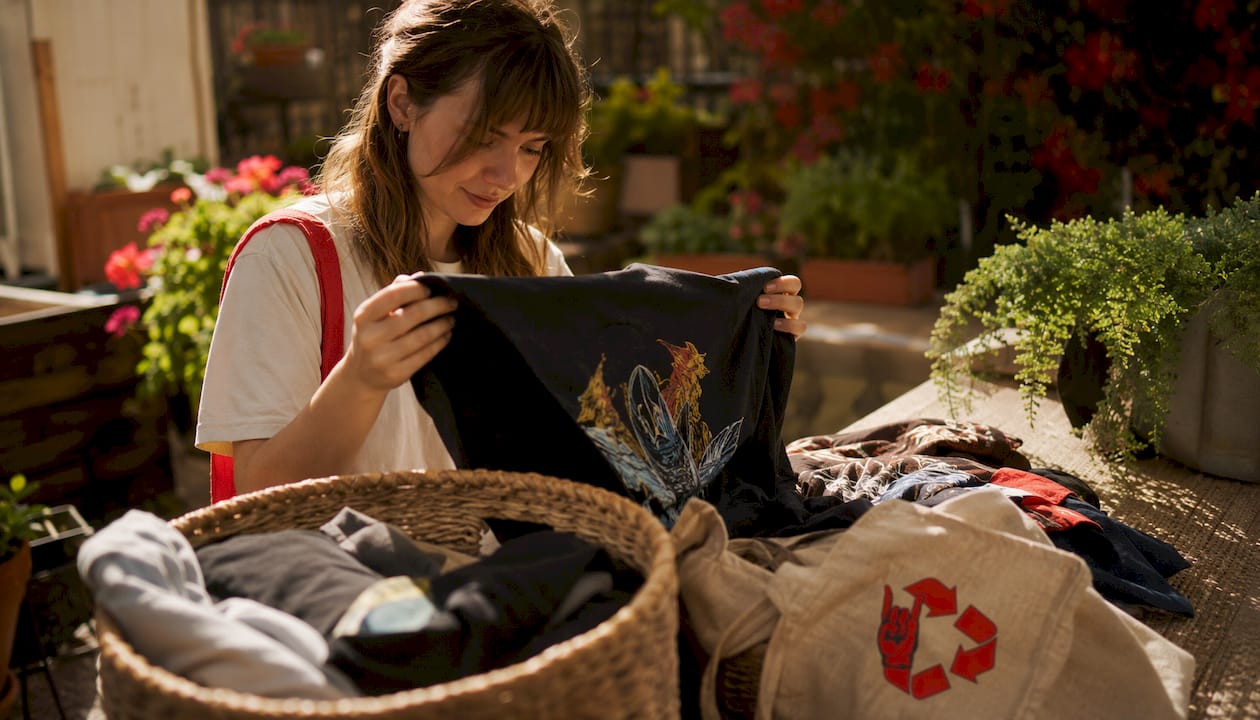
For metal collectors, this adds a layer of meaning to the purchase. You are not just acquiring a piece of music history. You are actively participating in sustainable dead stock clothing practices by choosing what already exists over what would need to be newly manufactured.
Environmental benefits of choosing deadstock:
- Diverts garments from landfill and incineration
- Eliminates demand for new fabric production and its associated resource use
- Reduces carbon footprint by avoiding fresh fibre extraction and processing
- Supports circular fashion principles by keeping existing materials in use
- No additional water, pesticides, or chemical processing required
Collector and market value of deadstock metal shirts in Australia
For Australian collectors, the advantages of buying dead stock shirts go well beyond quality and sustainability. Authentic deadstock metal shirts are genuinely scarce in this market. Most original tour merch from major 1980s and 1990s metal tours circulated through North America and Europe. What reached Australia was limited, and what survived in unworn condition is rarer still.
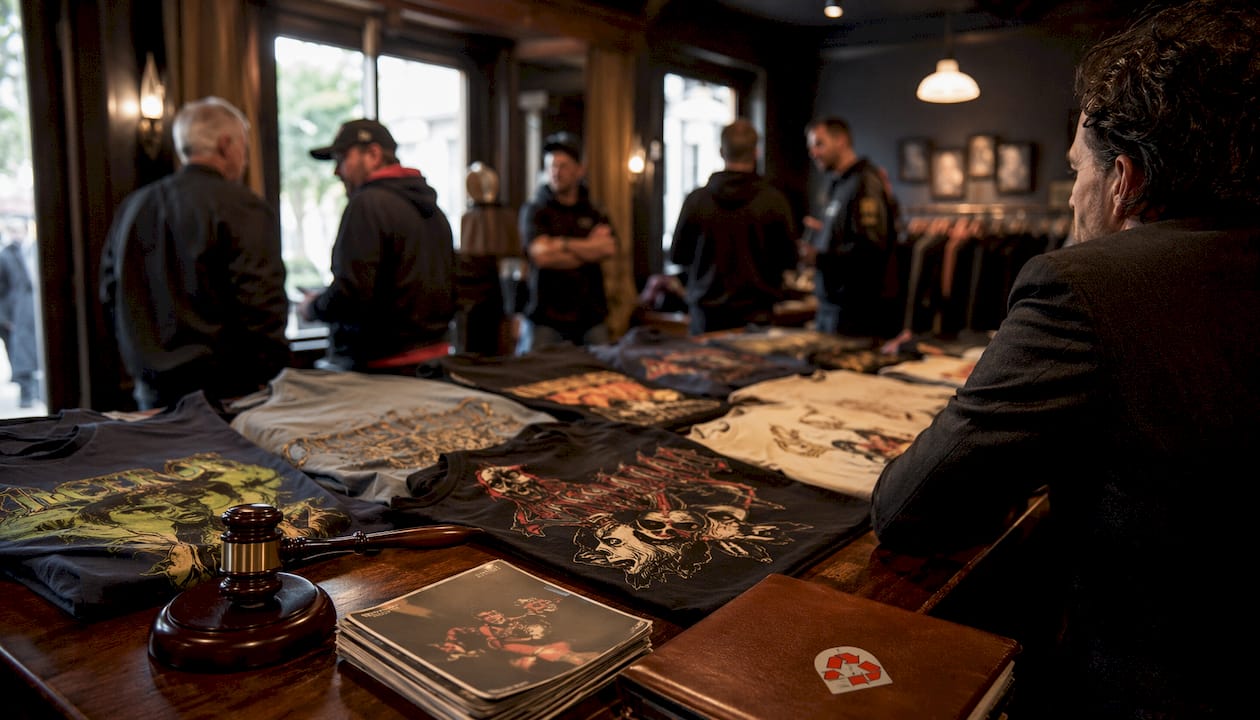
That scarcity drives real value. Deadstock items cannot be reordered, which creates built-in exclusivity that supports premium pricing and strong resale demand. A genuine deadstock Metallica tour shirt from 1992 is not something you can simply find again next month. When it is gone, it is gone.
Deadstock pieces also carry provenance that reproductions cannot fake. The combination of original tags, era-appropriate fabric, and untouched print condition tells a verifiable story. For serious collectors, that story is the point. Limited-edition deadstock pieces appeal precisely because their scarcity is structural, not manufactured.
Pro Tip: Treat deadstock metal shirts as investment-grade collectibles. Store them flat, away from direct light, in acid-free tissue or a sealed garment bag. Vintage Metal Store has a dedicated guide on preserving vintage shirts that covers everything from temperature to folding technique.
Vintage Metal Store is the go-to authority in Australia for sourcing and understanding deadstock metal shirts. Their collector-focused resources cover authentication, preservation, and the nuances of the local market that generic guides miss entirely. For collectors who want to understand the full picture of metal band shirt benefits within the broader world of fan apparel, the context is worth exploring.
Why Australian collectors prize deadstock metal shirts:
- Local scarcity of authentic pieces increases desirability and value
- Provenance and authenticity are verifiable in ways reprints cannot match
- No reorder possibility creates genuine, structural rarity
- Strong resale market among Australian and international metal communities
- Cultural significance tied to specific tours, eras, and band histories
Key takeaways
Deadstock metal shirts deliver unmatched quality, genuine sustainability benefits, and authentic collector value that used vintage and reprints simply cannot replicate.
| Point | Details |
|---|---|
| Pristine condition | Deadstock shirts are never worn or washed, preserving original fabric weight, print vibrancy, and fit. |
| Sustainability impact | Global textile waste exceeds 92 million tonnes each year; deadstock helps reduce this waste by diverting garments from landfill. |
| Collector authenticity | Original tags, era-appropriate fabric, and untouched prints provide verifiable provenance reproductions cannot offer. |
| Australian scarcity | Genuine deadstock metal shirts are rare in Australia, driving strong local collector and resale value. |
| Authentication matters | Check tag construction, print condition, and storage marks to confirm genuine deadstock status before purchasing. |
FAQ
What makes deadstock metal shirts different from used vintage shirts?
Deadstock shirts come from original production runs and have never been worn or washed, preserving fabric and print in original condition. Used vintage shirts carry wear history that affects fabric integrity, sizing, and print quality.
Are old T-shirts worth collecting?
Unworn vintage metal shirts from original tour runs are among the most sought-after pieces in music memorabilia collecting, with authentic deadstock examples commanding strong resale prices due to their rarity and condition.
Does buying deadstock actually help the environment?
Yes. Textile waste is a significant global issue, and choosing deadstock diverts existing garments from landfill while eliminating the need for new fabric production and its associated resource use.
How do I know if a metal shirt is genuine deadstock?
Look for original fold creases still visible in the fabric, era-correct tag construction and labelling, raised and vivid screen-print ink without cracking, and any original retail or tour packaging still attached. Vintage Metal Store’s authentication guide covers the specific markers for metal genre shirts.
Where can Australian collectors find authentic deadstock metal shirts?
Vintage Metal Store is Australia’s trusted source for genuine deadstock and second-hand heavy metal tour merch. Their catalogue includes rare pieces like the Metallica 1992 tour shirt and a full range of vintage Metallica shirts sourced specifically for the Australian collector market.
Wear the legacy. Shop the full deadstock and vintage metal collection at Vintage Metal Store.
Recommended


