



TL;DR:
- Album releases in heavy metal turn music launches into collector events that boost merchandise sales and fan loyalty. Fans value album-era merch, especially when designs and scarcity signals authenticity, making these items highly desirable and profitable. Staged merchandise drops throughout an album cycle and verified vintage pieces deepen community bonds and maximize revenue.
Album releases are the single most powerful catalyst for merchandise sales in heavy metal, transforming a music launch into a collector event that fans plan months in advance. The role of album releases in merch goes far beyond slapping a band logo on a shirt. When an album drops, it brings a complete visual world, a narrative, and an emotional charge that fans want to wear, own, and display. The industry term for this is “album-cycle merchandising,” and in heavy metal it operates at a level of intensity few other genres match. Vintage Metal Store has seen this firsthand: the most sought-after pieces in any collection are almost always tied to a specific album era, not just a band name.
How does an album’s theme shape merch design?
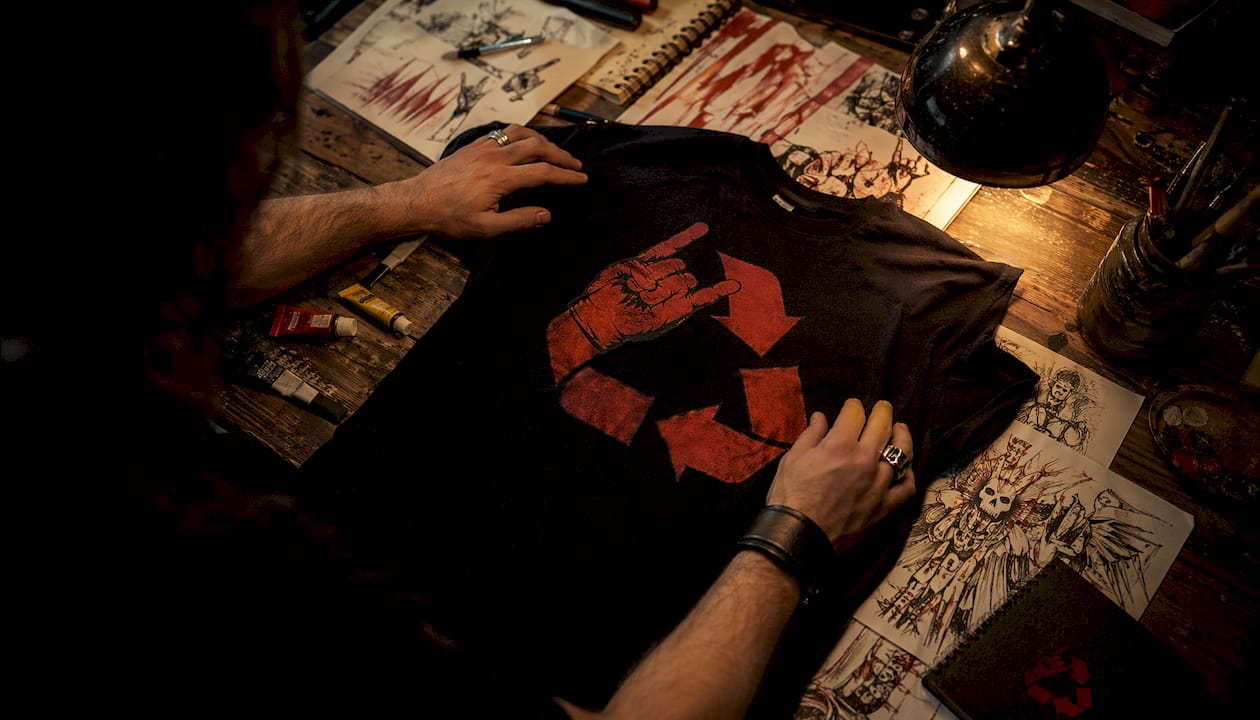
Merchandise linked to an album’s narrative achieves higher engagement and sales than generic logo merch. That finding cuts to the heart of why album-cycle merchandising works. When a band builds merch around a specific album’s artwork, colour palette, and lyrical concepts, the product becomes a storytelling artefact rather than a disposable souvenir.
Heavy metal has produced some of the most iconic examples of this. Metallica’s Master of Puppets era merch used the album’s cross-and-strings imagery so consistently that the visuals became inseparable from the music itself. Iron Maiden’s The Number of the Beast tour shirts carried Eddie’s artwork in a way that made each shirt a piece of the album’s mythology. The role of album art on shirts is not decorative. It is documentary.
Authenticity is the non-negotiable element here. Fans who collect album-era merch can spot a design that was produced without genuine connection to the album’s visual identity. Cohesion between the record sleeve, the tour backdrop, and the shirt design signals that the merch was created as part of the album’s world, not as an afterthought.
Key design elements that drive collector appeal include:
- Album artwork integration: Using the actual cover art or its motifs rather than generic band fonts
- Era-specific colour palettes: Matching the tones of the album’s visual identity, not the band’s current branding
- Lyrical and conceptual references: Incorporating lyrics, track names, or album themes into the design
- Physical-digital blends: Adding QR codes or NFC chips that link to exclusive content, deepening the fan experience
Pro Tip: If you are hunting vintage album-era shirts, check the print colour and font against the original album artwork. Authentic tour stock almost always mirrors the album’s visual language exactly.
What are the best timing strategies for album merch drops?
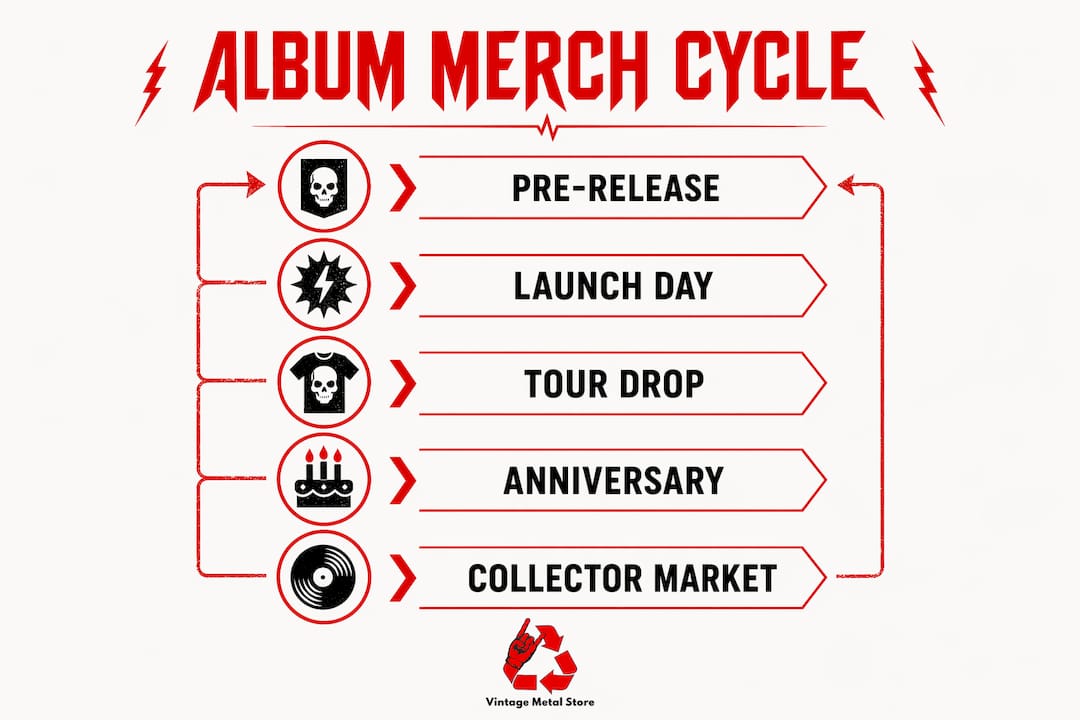
Timed merch microdrops during album release phases dramatically increase fan engagement and merchandising revenue. The key insight is that a single merch release at album launch leaves money and excitement on the table. A staged approach across the album cycle multiplies both.
The standard album-cycle merch timeline works in four phases:
- Pre-release: Limited pre-order bundles, often including vinyl variants and exclusive shirts not available after launch. This phase rewards the most committed fans and creates early revenue before the album ships.
- Release day: The main merch drop, timed to coincide with the album’s street date. Limited-run items sell out fast and generate social proof that drives demand for remaining stock.
- Tour phase: Region-specific shirts, tour-date tees, and venue-exclusive items. These are the pieces that become the rarest over time because production runs are small and distribution is local.
- Anniversary drops: Reissues, deluxe editions, and commemorative items released on the album’s one, five, or ten-year anniversary. These drops tap into nostalgia and collector demand simultaneously.
Staged scarcity is the engine behind this approach. When fans know that a specific item is only available during a defined window, the urgency to purchase is real. Coordinated drops including pre-orders, release-day limited runs, and anniversary editions sustain buzz over months rather than concentrating all demand into a single week. Exclusive bundles that pair physical vinyl with a matching shirt or art print push the average order value higher and give collectors a reason to buy the full package rather than individual pieces.
How does collector culture drive merch demand after album releases?
Collector-driven demand composes over 70% of physical music sales in major retail, significantly influenced by exclusive vinyl and CD variants. That figure explains why serious bands treat their collector audience as a distinct market segment, not just enthusiastic general fans.
The psychology behind collector demand is straightforward. Scarcity signals value. Limited runs with serial numbers, signed certificates, and provenance authentication enhance perceived merch value and collector desirability. A shirt from a 500-unit run feels fundamentally different from a shirt printed in the tens of thousands, even if the design is identical. Collectors increasingly expect physical-digital blends such as NFC chips and QR codes authenticating goods, which adds a layer of verifiable provenance that the secondary market rewards.
| Merch tier | Key features | Collector appeal |
|---|---|---|
| Entry-level | Standard print runs, widely available | Accessible, builds general fan base |
| Mid-tier | Limited editions, numbered prints | Strong secondary market value |
| High-end collector | Signed, serialised, certificate of authenticity | Maximum rarity and long-term investment value |
The secondary market effect is real and feeds back into primary merchandising decisions. When a tour shirt from a specific album cycle sells for multiples of its original price on the resale market, bands and labels take note. Signed vinyl, numbered art prints, and limited apparel runs form key pillars of profitable album merchandise strategies precisely because collector psychology fuels demand for rarity and authenticity.
Pro Tip: Serial numbers and certificates of authenticity are not just marketing. They are the difference between a shirt that sits in a drawer and one that holds or grows its value over decades.
What are the operational challenges of album-linked merch?
Production planning is the unglamorous side of album-cycle merchandising, and it is where many campaigns fall apart. Print-on-demand and bulk inventory strategies complement each other, offering flexibility to serve different fan segments during album cycles. The practical reality is that neither approach alone handles the full range of demand an album launch creates.
The main operational considerations for album-linked merch include:
- Lead times: Vinyl pressing plants require significant advance booking, often six months or more ahead of release. Apparel production for large runs needs to be ordered well before the album’s street date to arrive in time for launch-day drops.
- Print-on-demand vs. bulk: POD suits online long-tail demand after the initial launch window. Bulk inventory supports tour booths and established product lines where demand is predictable.
- Regional logistics: Tour-specific items need to reach the right venues at the right time. Dropshipping can handle online orders, but tour table stock requires direct coordination with venue logistics.
- Quality control: Oversaturation kills collector value. Releasing too many variants or reprinting “limited” items destroys the scarcity that drives demand in the first place.
The discipline to hold the line on production numbers is what separates merch that retains value from merch that ends up in bargain bins. Band tour merch value and rarity depend directly on the decisions made in the production planning phase, long before a single shirt reaches a fan’s hands.
How do album releases build fan community through merch?
Merch tied to album releases does something that streaming alone cannot. It gives fans a physical object that anchors their identity to a specific moment in a band’s history. Fans use merch as markers of cultural belonging, identity, and shared rituals around releases and tours. That is not a casual observation. It describes a function that merch serves in metal communities that goes well beyond commerce.
When you wear a shirt from a specific album cycle, you are communicating something precise to other fans. You were there, or you care enough to own a piece of that era. Metal fans read those signals fluently. A Reign in Blood era shirt at a gig opens conversations that a generic band logo never would. The types of fan merchandise that carry the most community weight are always the ones tied to a specific release or tour, not the evergreen catalogue items.
“Merchandise tied to album releases is a key tool in building fan community and reinforcing metal subculture identity. Fans use merch as markers of cultural belonging, identity, and shared rituals around releases and tours. Artists who integrate storytelling and exclusivity in merch achieve higher revenue and repeat purchase.”
Exclusive pre-orders, direct-to-fan sales, and in-person events related to album merchandise increase emotional connection and deepen fan loyalty. The merch becomes part of the album’s story, and the fan becomes part of the band’s community. That is a relationship that sustains lifetime fan value far beyond any single purchase.
Key takeaways
Album-cycle merchandising in heavy metal works because it synchronises scarcity, storytelling, and timing to turn music launches into collector events that deepen fan loyalty and drive sustained revenue.
| Point | Details |
|---|---|
| Album themes drive design | Merch built around album artwork and narrative outperforms generic logo merchandise in engagement and sales. |
| Staged drops multiply revenue | Pre-release, launch-day, tour, and anniversary drops sustain fan excitement and sales across months. |
| Collector psychology demands scarcity | Serial numbers, signed items, and limited runs create verifiable rarity that drives secondary market value. |
| Production planning is critical | Lead times for vinyl and apparel must align with album timelines to avoid missing launch windows. |
| Merch builds community identity | Album-era shirts and collector items function as cultural markers that connect fans across generations. |
What I have learned watching album merch evolve in metal
The shift I have noticed most clearly over the past several years is that the best album merch campaigns in metal now operate more like publishing events than retail drops. Bands are thinking about the full arc of an album’s life, from the first pre-order bundle to the ten-year anniversary reissue, and designing merch that fits each chapter.
What strikes me about the collector community specifically is how quickly fans have developed the vocabulary to evaluate merch quality. They know the difference between a genuine tour stock shirt and a reprint. They check the label, the print technique, and the provenance. That sophistication has raised the bar for everyone producing album-linked merch, which is ultimately good for the culture.
My honest advice for collectors is to prioritise era-specific pieces over general band merch. A shirt from the Black Album tour cycle tells a richer story than a shirt printed last year with the same logo. The importance of merch to bands is well documented, but the importance of merch to collectors as a record of metal history is equally significant and often underappreciated.
Technology is adding new dimensions to this. NFC authentication and digital certificates of authenticity are changing what “provenance” means for physical merch. I think that is genuinely exciting for serious collectors, because it makes the verification process more reliable and the secondary market more trustworthy. Vintage Metal Store’s focus on authentic, curated vintage stock sits exactly at the intersection of these trends.
— David
Vintage Metal Store: rare album-era merch for serious collectors
Vintage Metal Store curates authentic vintage heavy metal merch, including ex-tour stock and deadstock shirts tied directly to iconic album cycles.
If you are after genuine album-era pieces, the rare Metallica 1992 tour tee is exactly the kind of collector item that defines what album-linked merch can be. It is original stock from the Metallica (Black Album) tour cycle, the kind of piece that carries real history. For fans building a broader collection, the full range of vintage Metallica shirts at Vintage Metal Store spans multiple album eras, giving you the chance to own a piece of each chapter. Every item is authenticated and sourced for serious collectors who know the difference.
FAQ
What is the role of album releases in merch sales?
Album releases create a defined narrative, visual identity, and emotional moment that drives fan demand for merchandise. Merch tied to a specific album cycle consistently outperforms generic band merchandise in both engagement and collector value.
Why does limited-edition album merch sell for more on the secondary market?
Scarcity and provenance drive secondary market prices. Serial numbers, signed certificates, and small production runs signal rarity, which collector psychology translates directly into higher resale value.
What merch works best alongside a heavy metal album launch?
Album artwork shirts, limited vinyl variants, numbered art prints, and tour-specific items perform best. These pieces integrate the album’s visual identity and carry the scarcity that collector fans actively seek.
How do timed merch drops increase revenue during an album cycle?
Staged drops across pre-release, launch day, tour, and anniversary phases sustain fan excitement over months rather than concentrating all demand into a single window. Each phase creates a fresh urgency to purchase.
How can collectors identify authentic album-era tour merch?
Authentic tour stock mirrors the album’s visual language in print colour, font, and design motifs. Checking the shirt label, print technique, and cross-referencing against original album artwork are the most reliable verification methods.
Recommended


