



TL;DR:
- Metal merchandising is a vital form of cultural expression that enhances fan identity and sustains artists financially. Its evolution from simple tour shirts to highly curated, limited-edition collectibles underscores its role in preserving metal’s heritage and community bonds. Strategic use of hybrid production, timed drops, and social commerce ensures merch remains authentic, valuable, and culturally impactful in 2026 and beyond.
Heavy metal has always been more than music. The role of merchandising in metal sits at the intersection of commerce, identity, and cultural preservation, and dismissing it as a side hustle misses the point entirely. A faded Slayer tour tee from 1991 is not just a shirt. It is a declaration of belonging, a piece of subcultural history, and in 2026, a genuinely collectible artefact. This article unpacks why metal merch matters, how it shapes fan communities, and what the smartest bands and retailers are doing about it.
Table of Contents
- Key takeaways
- The role of merchandising in metal: a history
- Merch, identity, and the nostalgia engine
- Practical strategies: how bands and retailers work in 2026
- How merchandising affects metal sales and subculture health
- Challenges and where metal merch is heading
- My take: why merch is the soul of metal culture
- Find authentic metal merch at Com
- FAQ
Key takeaways
| Point | Details |
|---|---|
| Merch is cultural currency | Metal merchandise signals fan identity and community belonging far beyond its commercial value. |
| Sales channels have shifted | Band merch now splits roughly 50% venue, 25% online, 25% social, with online basket values nearly double those at gigs. |
| Hybrid production wins | Combining print-on-demand for experiments with bulk runs for staples maximises margins and minimises risk. |
| Merch sustains artists | Merchandising can account for up to 30% of total earnings for touring bands. |
| Authenticity commands premium | Vintage and limited-edition pieces carry a halo effect that lifts perceived value and buyer trust. |
The role of merchandising in metal: a history
Metal merch did not start as a business strategy. It started because fans wanted a physical connection to something that felt urgent and real. In the late 1970s and early 1980s, bands like Black Sabbath and Iron Maiden began selling t-shirts at gigs, and those shirts immediately meant something. Wearing one was a statement about who you were and what you valued. That social function has never gone away.
The early model was brutally simple: screen-print a run of shirts, sell them from a table outside the venue, take the cash. Margins were decent when you sold out. When you did not, you were stuck with boxes of unsold stock in the back of a van. That inventory risk shaped the whole culture of metal merchandising for decades. It is why tour merch history is littered with stories of limited pressings, regional exclusives, and shirts that simply never made it past one leg of a tour.
The structural shift came with e-commerce. By the mid-2000s, bands could sell directly to fans worldwide, and the merch table dynamic changed permanently. Today, band merchandise sales split roughly equally across venues, online stores, and social platforms, with online basket values averaging around £55 compared to £30 at gigs. That gap matters. Fans shopping online browse longer, bundle more, and spend more per transaction.
Key shifts in metal merchandising evolution:
- From venue-only sales to multi-channel distribution across e-commerce and social platforms
- From functional souvenirs to culturally significant artefacts with collector appeal
- From generic designs to band-specific narratives tied to tour cycles, albums, and eras
- From reactive production (print what you think will sell) to data-informed drop strategies
Merch, identity, and the nostalgia engine
Ask a serious metal fan why they keep a tattered Metallica shirt they will never wear again and you will hear something interesting. It is almost never about the shirt itself. It is about where they were, who they were with, and what that music meant at that exact moment in their life. The importance of merchandising in metal is inseparable from this emotional architecture.
Merchandise acts as a walking advertisement and community builder simultaneously. A Judas Priest shirt worn at a record shop communicates allegiance, taste, and era in one glance. It opens conversations. It signals membership in a subculture that has never been casual about itself. This is something no streaming playlist can replicate.
Vintage and deadstock merch carries this even further. The rarity of specific metal t-shirt eras is not just about scarcity for its own sake. It is about provenance. A shirt from the 1986 Master of Puppets tour is a physical document of a specific cultural moment. Collectors and fans alike treat these pieces with the same reverence that art collectors apply to limited prints.
“Metal’s power lies in its ability to signify premium status, seriousness, and authenticity through quality and design cues, building trust and belonging.” The metal card trend
The halo effect is real in metal merchandising. When a piece of merch communicates deliberateness, through quality printing, considered design, and authentic provenance, it reduces buyer hesitation and increases the perceived value of everything associated with that band. Limited edition drops, numbered releases, and genuine deadstock all tap into this. They say: this matters, and not everyone can have it.
What makes this particularly interesting from a cultural research perspective:
- Limited-edition designs create urgency that generic merch never achieves
- Physical goods create tangible emotional attachments that digital content cannot match
- The act of wearing merch extends the live event experience indefinitely into daily life
- Collector communities forming around specific eras of merch are now significant subcultures within the metal subculture itself
Practical strategies: how bands and retailers work in 2026
The gap between bands that generate serious income from merchandise and those that do not usually comes down to production decisions and channel strategy. Understanding the mechanics matters whether you are running a band or curating vintage stock.
| Production method | Margin range | Risk level | Best use case |
|---|---|---|---|
| Print-on-demand (t-shirts) | 30%–50% | Low | New designs, experimental drops |
| Print-on-demand (hoodies) | 35%–55% | Low | Seasonal items, niche designs |
| Bulk production | 50%–80% | High | Proven designs, tour staples |
The hybrid production model threads these two approaches together: use print-on-demand for experimental or limited designs, and bulk production for the shirts and hoodies you know will sell in volume. This protects cash flow while allowing creative risk.
Beyond production, the merchandising techniques for metal that actually move product in 2026 lean heavily on urgency and community. Timed drops tied to album releases or tour announcements create genuine scarcity. Bundle offers combining a shirt with a patch, poster, or digital download raise average order values without discounting the core product. Social commerce on platforms like Instagram and TikTok has shifted impulse buying behaviour significantly, with fans purchasing within minutes of a drop announcement.
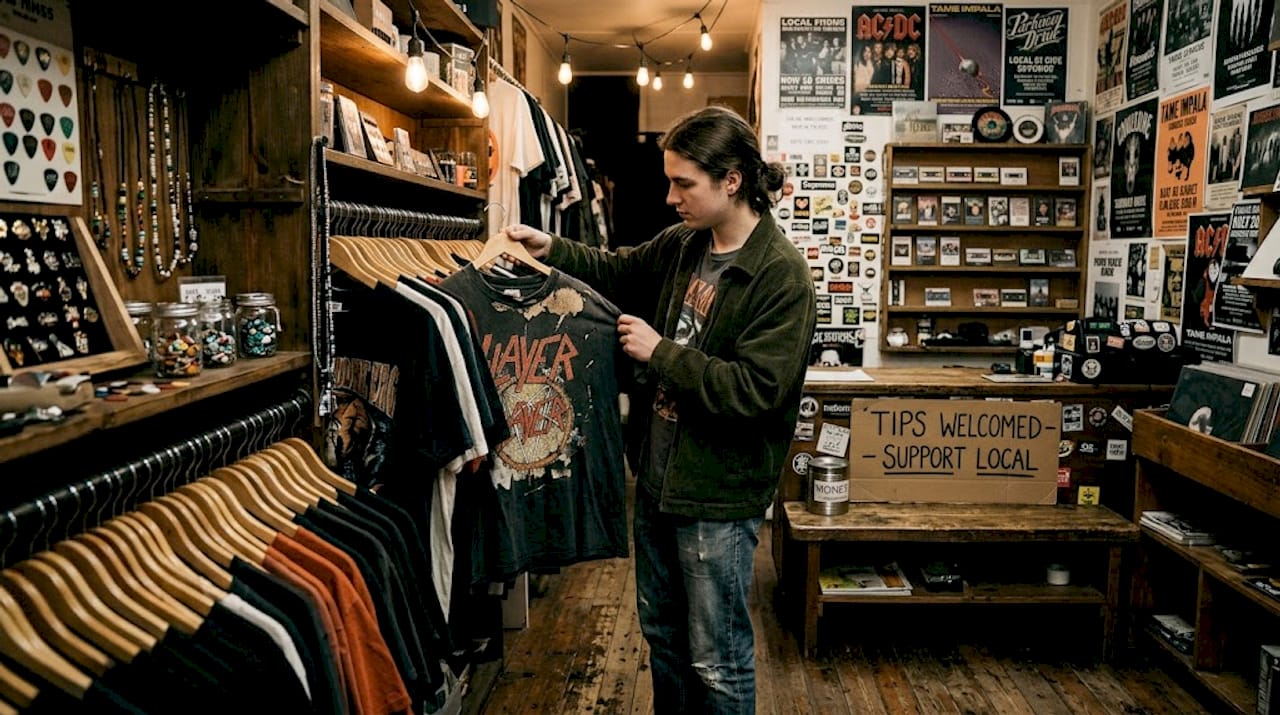
Experiential merchandising in physical retail reframes the interaction from transaction to exploration. When a fan browses a display of vintage tour shirts organised by era or band, they are not just shopping. They are engaging with a timeline of a culture they love. That emotional engagement translates directly to purchase confidence and repeat visits.
Pro Tip: If you are releasing a new merch design, test it as a print-on-demand item first. If it sells through quickly, that is your signal to commit to a bulk run at higher margins. You avoid the deadstock trap while still capturing demand.
How merchandising affects metal sales and subculture health
The financial case for taking merch seriously is not subtle. Merchandising can account for up to 30% of total earnings for touring bands. For independent artists who are not seeing significant streaming royalties, that is not supplementary income. It is the income that keeps them on the road.
The broader impact of merchandising on metal sales goes beyond individual band finances. When merch is available, visible, and well-designed:
- Fans at live events spend more per head, raising the financial viability of touring
- Online stores extend the revenue window from a single show into weeks of post-event sales
- Collector-focused merch drives engagement from fans who may not attend gigs but remain deeply invested in the culture
- Retail stores stocking authentic vintage merch create physical gathering points for local metal communities
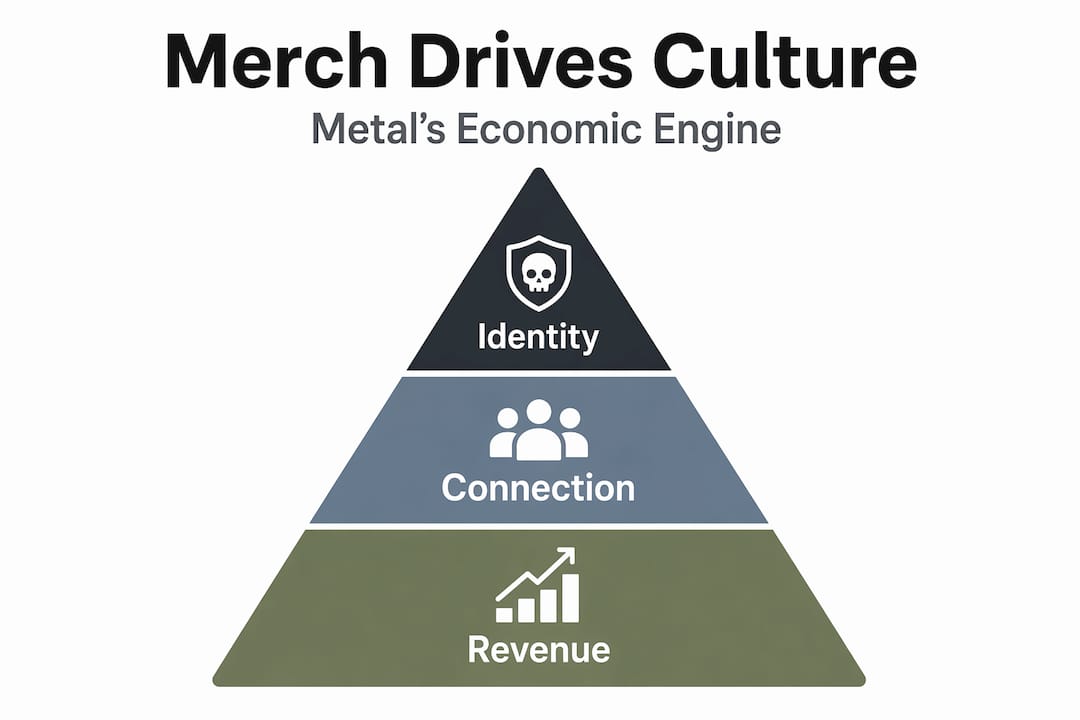
There is also a cultural sustainability argument here. Metal has always existed partly outside mainstream commercial structures, and that independence is part of its identity. Merchandise is one of the primary mechanisms through which the subculture funds itself. When bands can sustain themselves through merch income, they do not have to compromise their sound or image to chase streaming numbers. The impact of merchandising on metal sales is therefore also an impact on metal’s creative autonomy.
The musicians who inspire the next generation of metal fans are often the ones who built sustainable careers partly on the back of strong merch operations. That financial foundation lets them keep creating on their own terms.
Pro Tip: Treat your merch store with the same consistency you apply to your live show. The font, the artwork, the tone of product descriptions. Inconsistency across touch-points signals a lack of care, and metal fans notice.
Challenges and where metal merch is heading
The most honest challenge in metal merchandising is inventory risk. Deadstock from failed bulk runs is not romantic when it is costing you storage and capital. Getting the balance right between limited-edition appeal and actual sell-through requires discipline and data. Too many bands still guess.
Authenticity versus commercialisation is the other ongoing tension. Metal fans are exceptionally sensitive to the smell of cash-in merch. Designs that feel cynical, licensed products that have nothing to do with a band’s actual aesthetic, or merch that appears in fast-fashion adjacent contexts all generate genuine backlash. Maintaining cultural integrity while growing commercially is a real craft.
Digital integration is changing what effective merchandising for metal products looks like. AI-driven demand forecasting helps predict which designs will sell before committing to production runs. Augmented reality try-on features are starting to appear in metal merch stores, reducing return rates on apparel. These are not gimmicks. They are practical tools that reduce the friction between fan interest and purchase.
Sustainability is the emerging consideration that metal culture has been slower to address than others. Organic cotton, water-based inks, and ethical supply chains are increasingly important to a younger fan base that wants their values to align with their purchases. Bands and retailers that get ahead of this will have an advantage.
My take: why merch is the soul of metal culture
I have spent years around vintage metal merchandise, and the one thing I keep coming back to is this: the merch is the culture made physical. Streaming makes music frictionless and borderless, which is genuinely wonderful. But it also makes it weightless. You can listen to the entire back catalogue of Motörhead on a Tuesday morning without any real commitment to what that music represents.
A shirt you had to queue for outside a venue in 1994, or track down through a collector network twenty years later, is something completely different. It carries the weight of lived experience. I have seen grown adults get emotional holding a piece of deadstock they thought they would never find. That is not nostalgia for its own sake. It is evidence that the music meant something real.
What I find most interesting, from a purely commercial standpoint, is how undervalued authentic vintage merch still is relative to its cultural significance. The heavy metal memorabilia market is maturing, but there is still a wide gap between what collectors will eventually pay for genuine 1980s and 1990s tour stock and what it is trading for right now. That gap is closing.
The bands and retailers who treat merch as a cultural responsibility, not just a revenue stream, are the ones building something that lasts. Commercial success and cultural integrity are not opposites in this space. Done right, they reinforce each other completely.
— David
Find authentic metal merch at Com
If this article has sharpened your sense of what metal merchandise actually represents, you will understand why sourcing matters. Com curates genuine vintage heavy metal t-shirts, ex-tour stock, and deadstock from bands and tours that shaped the genre. These are not reproductions. They are original pieces with real provenance.
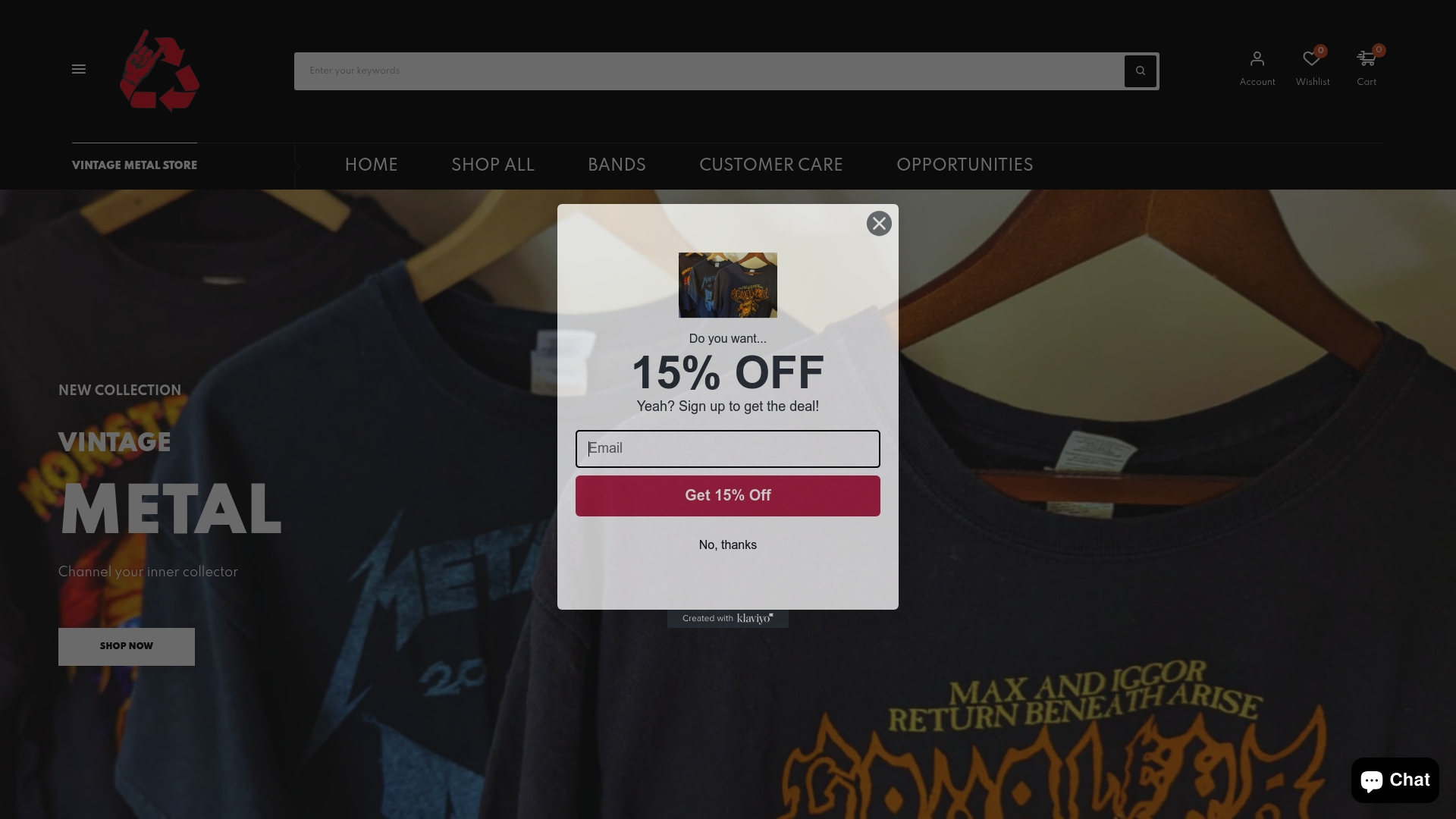
Whether you are a collector chasing a specific era, a researcher studying metal’s material culture, or a fan who simply wants something authentic, the full vintage shirt collection at Com is worth exploring. For something specific and rare, the 1992 Metallica tour tee is exactly the kind of documented, original piece that defines what this culture produces. Real history. Real merch.
FAQ
What is the role of merchandising in metal culture?
Merchandising in metal serves as both a revenue stream and a cultural identifier, with merch acting as a walking signal of fan loyalty and subcultural belonging. It preserves metal heritage through physical artefacts tied to specific bands, tours, and eras.
How much do bands earn from metal merchandise?
Merchandising can represent up to 30% of total touring income for independent metal bands, making it one of the most financially significant revenue sources available to artists outside major label deals.
What makes vintage metal merch more valuable than new merch?
Vintage and deadstock metal merch carries provenance tied to specific tours and cultural moments, and its scarcity signals authenticity. The halo effect of premium, original pieces lifts perceived value and builds collector trust in ways that reprints simply cannot replicate.
What merchandising strategies work best for metal bands in 2026?
The most effective approach combines timed limited drops, bundle offers, social commerce, and a hybrid production model that uses print-on-demand for experimental designs and bulk production for proven staples, maximising both margins and fan engagement.
Why has online merch sales growth outpaced venue sales?
Online shoppers spend nearly double what fans spend at gigs per transaction, driven by longer browsing time, bundle opportunities, and the absence of the queue and carry constraints found at live events.
Recommended
- History of metal tour merch: a collector’s guide – Vintage Metal Store
- Band merchandise history: From rare tees to metal icons – Vintage Metal Store
- What is band memorabilia and why collectors love it – Vintage Metal Store
- Top 7 Heavymetalmerchant.com Alternatives in 2026 for Authentic Vintag – Vintage Metal Store


