



TL;DR:
- Band memorabilia includes clothing, vinyl, posters, passes, and handwritten items tied to specific moments and bands.
- 1990s heavy metal memorabilia is highly valued due to limited production, iconic artwork, and historical significance.
- Authenticity and condition are crucial; verified provenance and knowledge of tags and labels help collectors build meaningful, genuine collections.
Most people assume band memorabilia is just a pile of old shirts and a few cracked vinyl records gathering dust. That assumption undersells one of the richest collecting categories in music history. For heavy metal fans, these objects carry something far more charged than nostalgia. They are physical proof of a scene, a community, and a way of life that mainstream culture never fully understood. This article unpacks what band memorabilia actually means, traces its significance through metal culture, zeroes in on the golden era of the 1990s, and gives you the practical knowledge to collect with confidence.
Table of Contents
- Defining band memorabilia: More than merch
- The role of band memorabilia in heavy metal culture
- Spotlight on the 1990s: T-shirts, vinyl, and their impact
- Tips for collecting, valuing, and authenticating band memorabilia
- Why the meaning of memorabilia goes far beyond resale value
- Discover rare and vintage heavy metal shirts
- Frequently asked questions
Key Takeaways
| Point | Details |
|---|---|
| Broad definition | Band memorabilia goes far beyond tees or records to include a wide range of artefacts. |
| Cultural value | Heavy metal memorabilia serves as a badge of belonging and preserves musical history. |
| 1990s treasures | Items from the 1990s, especially shirts and vinyl, are highly sought after for their uniqueness. |
| Authentication matters | Provenance and careful checking are key to securing genuine, valuable pieces. |
| More than money | The meaning and stories behind memorabilia are as important as their financial value. |
Defining band memorabilia: More than merch
The word “memorabilia” gets thrown around loosely. People use it to mean anything band-related sitting in a box under the bed. But the definition is worth nailing down properly, because it shapes how you collect and what you value.
Band memorabilia is collectible merchandise or keepsakes tied to a musical artist or band, often produced for tours, album promotion, or fan events, including T-shirts, patches, vinyl, posters, passes, and other artefacts. That “other artefacts” category is where things get genuinely interesting for serious collectors.
Here is a breakdown of the main categories:
- T-shirts and apparel: Tour tees, album promo shirts, and crew shirts
- Vinyl records: Pressings, picture discs, limited editions, and test pressings
- Posters: Concert posters, promotional flats, and tour advance posters
- Patches: Woven or embroidered band patches used on battle jackets
- Backstage passes: Laminated or fabric passes from actual tour events
- Event programmes: Official booklets sold at concerts or fan club events
- Instruments: Used or signed guitars, drumsticks, picks
- Handwritten items: Set lists, lyric sheets, and signed correspondence
Each category has its own collector community, grading standards, and price range. A first-pressing vinyl from a legendary 1990s metal album sits in a completely different conversation from a repro poster purchased at a chain store last week.
“Memorabilia is not just merchandise. It is a piece of someone’s lived experience, tied to a specific moment in music history.”
The cultural weight behind these objects is why a collector’s guide to heavy metal memorabilia looks nothing like a guide to general pop music souvenirs. Metal memorabilia carries extra grit, extra meaning, and often a wilder story of how it ended up in someone’s hands.
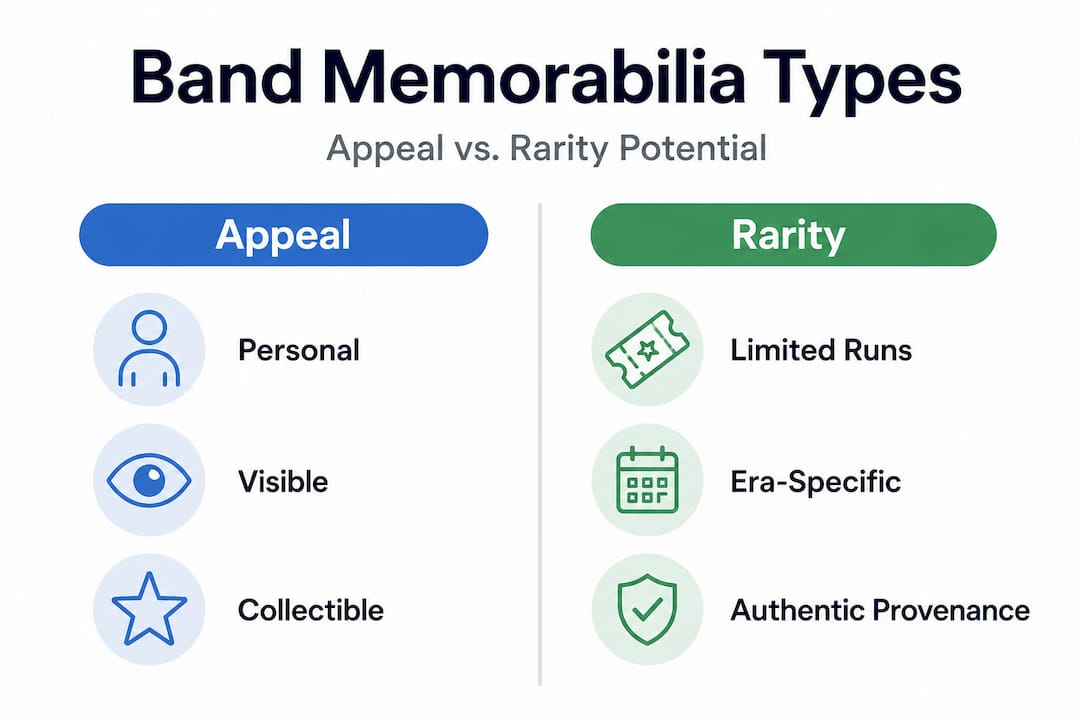
| Type of memorabilia | Primary appeal | Rarity potential |
|---|---|---|
| Tour T-shirts | Wearable, personal, visible | High for early printings |
| Vinyl pressings | Audio fidelity and artwork | Very high for originals |
| Concert posters | Visual art and event history | High for vintage originals |
| Backstage passes | Exclusive access, storytelling | Extremely high |
| Signed instruments | Direct band connection | Very high |
The role of band memorabilia in heavy metal culture
Heavy metal is not passive listening. It is active participation. The music shapes how fans dress, who they spend time with, and how they present themselves to the world. Memorabilia sits right at the heart of that identity.
In heavy metal culture, wearable memorabilia like T-shirts and patches functions as a visible badge of identity and community belonging. Walk into any metal gig and you can read the room through the shirts people wear. A faded Slayer tour tee from 1991 communicates something different from a freshly printed restock. Veterans of the scene know the difference immediately.
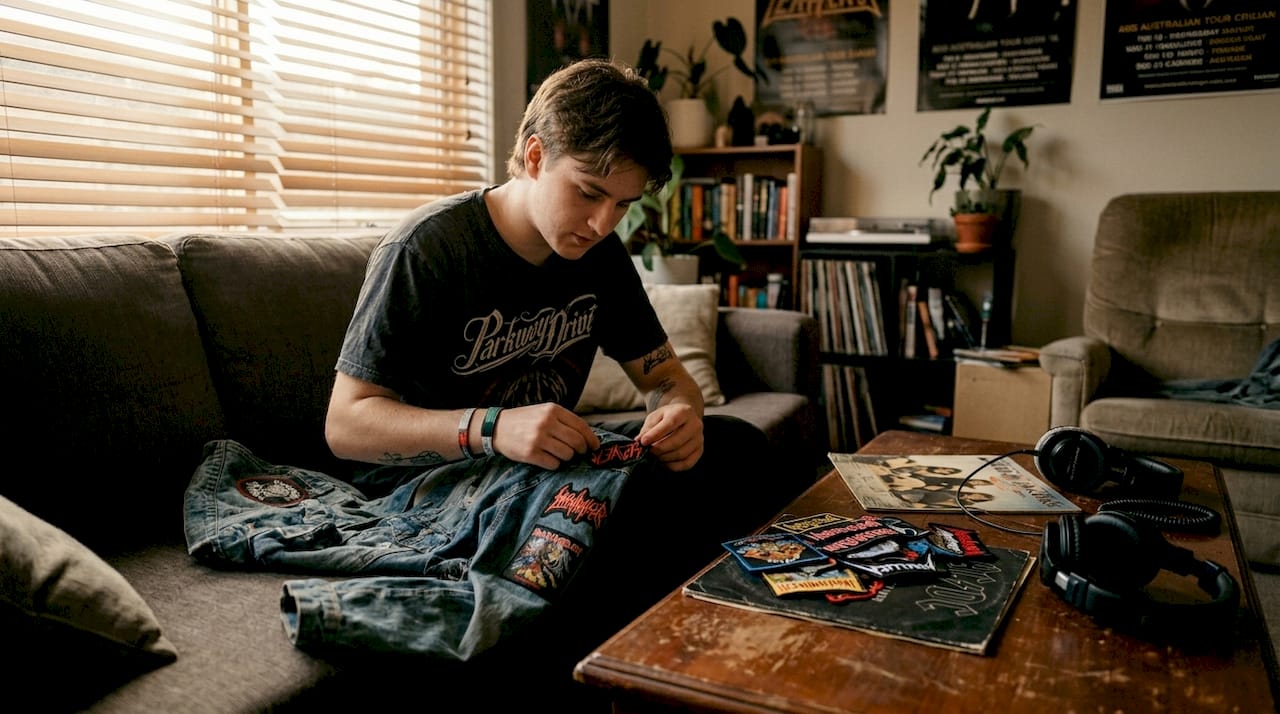
The battle jacket is the most dramatic expression of this. Denim or leather jackets covered in patches, pins, and sometimes hand-painted artwork become rolling autobiographies of a collector’s metal journey. Each patch represents a band they love, a show they attended, or a record that changed something for them.
Here is how memorabilia shapes metal community in practice:
- Wearing it creates conversation. A rare shirt sparks recognition. It says “I was there” or “I know this era” without a word being spoken.
- Swapping and trading builds relationships. Metal fans trade patches and vinyl at gigs, markets, and online forums. The exchange itself becomes part of the social ritual.
- Displaying it preserves stories. Framed posters and hung jackets become personal museums that keep specific memories alive.
- Gifting it passes on legacy. Veteran collectors regularly pass items to younger fans, carrying the scene’s history forward across generations.
Pro Tip: If you are starting a battle jacket, prioritise patches from bands you genuinely love over patches that simply look impressive. Authenticity reads louder than a carefully curated aesthetic in metal circles.
Understanding the benefits of vintage band tees goes beyond wearability. A vintage shirt is a primary source document. It tells you what the artwork looked like at the time of printing, what tour it supported, and often which country or region it was sold in based on the tag and print style.
The history of metal tour merch tracks alongside the broader history of the genre itself. When thrash exploded in the mid-1980s and moved into arenas by the late 1980s and early 1990s, the merch tables grew with it. Bands that once sold handmade shirts from the boot of a van were suddenly managing professional runs of thousands of pieces per tour stop.
| Era | Merch characteristics | Collector interest |
|---|---|---|
| Early 1980s | Hand-printed, small runs, raw artwork | Extremely high |
| Late 1980s | Screen-printed, wider distribution | High |
| 1990s | Peak artwork complexity, multiple tour variants | Very high |
| 2000s | Corporate licensing begins, quality varies | Moderate |
| 2010s onward | Mass reproduction common | Lower for new items |
Spotlight on the 1990s: T-shirts, vinyl, and their impact
The 1990s were extraordinary for heavy metal memorabilia. The decade sits in a sweet spot where production was professional enough to create well-made items but decentralised enough that runs were still limited and regionally varied. That combination makes 1990s pieces genuinely rare today.
Think about what was happening in metal during that decade. Metallica released the Black Album in 1991 and toured for two years straight across the globe. Pantera released Vulgar Display of Power in 1992 and dragged groove metal into the mainstream. Death metal was exploding with bands like Morbid Angel and Cannibal Corpse producing some of the most confronting artwork ever put on a shirt. Black metal was emerging from Scandinavia with its own visual language.
Every one of those scenes produced shirts, patches, vinyl pressings, and posters that are now found at auction alongside instruments, backstage passes, handwritten set lists, and other event-related items that extend memorabilia well beyond clothing and records. A Pantera backstage pass from the Far Beyond Driven tour is just as collectible as the vinyl.
Key things collectors should look for in 1990s heavy metal memorabilia:
- Original tour variants: Shirts specific to a single tour leg or country, not general merchandise
- Album cycle pressings: First pressings of landmark albums, especially on limited colour vinyl
- Bootleg and unofficial items: Some bootleg shirts from the era have become collectibles in their own right
- Artwork shirts: Bands like Obituary, Death, and Sepultura produced shirts with complex, era-defining artwork that has never been faithfully reproduced
- Dead stock and ex-tour stock: Unsold stock that sat in warehouses and survived in near-perfect condition
Pro Tip: Look at the tag on any shirt you’re considering. Tultex, Hanes Beefy-T, and Fruit of the Loom tags from specific manufacturing periods can help date a shirt accurately. Repros often use modern blanks with tells that a trained eye catches quickly.
Finding quality pieces takes patience and access to the right sources. Knowing the best heavy metal memorabilia stores gives you a shortcut past the noise of generic online marketplaces where fakes and overpriced reprints flood search results.
The vinyl side of 1990s collecting is equally compelling. Many metal albums from the decade received limited pressings because CD had taken over as the dominant format. That scarcity, combined with renewed interest in vinyl from the 2010s onward, pushed prices on original pressings significantly higher. A first pressing of Pantera’s Cowboys from Hell or Sepultura’s Arise in excellent condition is a genuine find.
Tips for collecting, valuing, and authenticating band memorabilia
Building a quality collection takes more than enthusiasm. It takes a systematic approach to evaluation, a healthy scepticism, and a few reliable habits that protect your investment and enjoyment.
Here is a practical framework for getting it right:
- Start with what you love. The strongest collections are built around genuine passion. Buy the bands you know first. Breadth of knowledge protects you from fakes and bad deals in your core area.
- Learn to read tags and labels. For shirts, vintage tag styles, font choices, and country of manufacture are all dating clues. For vinyl, matrix numbers etched into the run-out groove identify pressing plants and release periods.
- Document provenance where you can. A shirt sold by someone who attended the original tour has traceable history. Ask questions. Even partial provenance adds value and authenticity confidence.
- Photograph everything. Build a visual record of your collection with close-ups of tags, labels, print details, and any wear patterns. This protects you if you ever need to prove authenticity.
- Compare against known originals. Online communities, specialist databases, and dedicated collector forums maintain archives of original items. Use them before committing to expensive purchases.
- Avoid items without any background. No information at all is a warning sign. Legitimate vintage items usually come with some story, even if incomplete.
Band memorabilia is collectible merchandise tied to specific artists and events, and that specificity is both what makes items valuable and what makes fakes so problematic. A fake tour shirt lacks the specific event details that give the original meaning, even if it looks similar at a glance.
Condition matters enormously but does not mean perfect. A shirt with genuine wear from being worn at actual shows carries a different kind of value from an unworn dead stock piece. Both have their place in a thoughtful collection, but they tell different stories. For vinyl, grading follows established standards: Mint, Near Mint, Very Good Plus, Very Good, and so on down the scale.
Pro Tip: For serious purchases, ask the seller for additional photographs in natural light. Indoor lighting and filters can disguise fading, cracking print, and staining that would significantly affect value.
Knowing where to find authentic merch matters as much as knowing what to look for. Generic marketplaces are full of pitfalls. Specialist stores and trusted communities are where real finds happen.
Why the meaning of memorabilia goes far beyond resale value
Here is something worth saying plainly: the collector community sometimes loses the plot by fixating almost entirely on investment value. Resale prices, auction records, and market trends dominate conversation in ways that can distort why these objects matter in the first place.
Every piece of heavy metal memorabilia carries a small, specific history. A 1993 Sepultura tour shirt did not just sit in a box. It went to a show. Someone wore it in a sweaty venue, pressed against hundreds of other fans who all felt something powerful that night. That shirt absorbed a moment of genuine human experience that no reprint or reproduction can replicate.
The history of tour merch is ultimately a history of people and the scenes they built together. Metal communities formed around shared musical obsession when that obsession was genuinely countercultural. The memorabilia from those years is evidence that those communities existed, thrived, and created something worth preserving.
We think the most interesting collectors are the ones who can tell you what a shirt means as readily as what it’s worth. The two conversations do not have to be separate, but when financial value completely crowds out cultural value, something important gets lost. You end up with a portfolio rather than a collection.
The practical advice in this article will help you build something genuine and protect your investment. But the deeper goal is a collection that tells a story worth telling. Metal memorabilia at its best is a physical archive of a culture that burned intensely and left its mark. Treat it accordingly.
Discover rare and vintage heavy metal shirts
If this article has sparked or deepened your interest in collecting, the next logical step is finding pieces that genuinely belong in a serious collection.
At Vintage Metal, we specialise in authentic vintage heavy metal shirts, ex-tour stock, and dead stock sourced directly from heavy metal tours and bands. Whether you are hunting for vintage Metallica shirts or tracking down rare heavy metal concert shirts from the 1990s, our stock is built around authenticity, not approximations. Every piece in the collection has been selected because it represents the real thing. We know the difference between dead stock and a convincing fake, and we source accordingly. Browse the collection and find the piece of metal history that belongs with you.
Frequently asked questions
What items count as band memorabilia?
Band memorabilia includes T-shirts, patches, vinyl records, posters, passes, and any artefacts tied to an artist or event, spanning everything from official merch to handwritten set lists.
Why are 1990s heavy metal T-shirts so valuable?
They are prized for their unique, era-specific artwork, limited original print runs, and direct connection to landmark tours and albums that defined the genre during a critical decade.
How can I tell if a vintage band shirt is authentic?
Check the tag style, stitching quality, print method, and any fading or wear patterns consistent with genuine age. Comparing against documented originals from collector communities and specialist resources is also essential.
Is memorabilia only about shirts and records?
No. Memorabilia also includes instruments, backstage passes, set lists, patches, signed items, and other physical artefacts connected to bands and their events.
Recommended
- Why collect band t-shirts: a heavy metal guide 2026 – Vintage Metal Store
- Why preserve old band tees? Value, culture and know-how – Vintage Metal Store
- Tribute band shirts: collector value & metal fan insights – Vintage Metal Store
- Band tour merch: value, rarity, and collector insights – Vintage Metal Store


