



TL;DR:
- Album art on shirts transforms a band’s visual identity into wearable culture and signals fan loyalty. Wearing such apparel influences music perception and highlights insider knowledge, especially within heavy metal communities. Authentic shirts referencing specific tours or limited pressings hold high cultural and collector value, merging music history with fashion.
Album art on shirts is defined as the practice of reproducing a band’s visual identity from recorded releases onto wearable apparel, turning fabric into a canvas for musical culture. The role of album art on shirts goes far beyond decoration. Research shows the brain processes images in as little as 13 milliseconds, and 75% of listeners say album artwork shapes their perception of music before they hear a single note. In heavy metal especially, a shirt is not just clothing. It is a declaration of loyalty, taste, and belonging to one of music’s most passionate communities.
How does album art on shirts shape fan identity?
Album art on apparel functions as a badge of cultural identity. When you wear a shirt printed with a band’s visual imagery, you signal your taste, your tribe, and your history with that music. This is not casual fashion. It is a deliberate act of self-expression rooted in subcultural belonging.

The psychological pull is real. Displaying album art while music plays raises listeners’ enjoyment ratings, a phenomenon researchers call the “halo effect.” That same effect transfers to clothing. When you wear an image tied to music you love, the emotional charge of that music travels with you.
Iconic designs demonstrate this power clearly. The Ramones’ presidential seal logo and Joy Division’s pulsar wave from Unknown Pleasures have both survived over 30 years as independent fashion icons. They no longer need the music to carry meaning. The images speak on their own.
Within heavy metal, this identity function runs even deeper. Metal fans use album art apparel to signal insider knowledge. Wearing a shirt from a band’s 1989 tour, or featuring artwork from a limited pressing, communicates that you are not a casual listener. You know the catalogue, the history, and the lore.
Album art on a shirt tells the world not just what you listen to, but who you are and what you stand for within your community.
- Album art signals subcultural affiliation and music knowledge.
- Iconic imagery creates emotional resonance that outlasts the original release.
- The “halo effect” links visual appeal directly to perceived music quality.
- Rare or tour-specific designs carry additional status within collector circles.
Pro Tip: When building a collection of album art shirts, prioritise designs that reference specific tours or pressings rather than generic band logos. These carry far more cultural weight and hold their value longer.
What is the commercial and artistic impact of album artwork on fashion?
Album artwork drives serious commercial value across both music and fashion. Music-related visual branding contributes to $1.4 billion in annual vinyl sales globally. That figure reflects how powerfully a strong visual identity converts interest into purchase, a dynamic that transfers directly to apparel.
The fashion industry has taken notice. Designers like Raf Simons and Alexander McQueen have integrated album art visuals into acclaimed collections, elevating band imagery from promotional merchandise into high-culture storytelling. This crossover confirms that album artwork on fashion carries genuine artistic weight, not just commercial utility.
The commercial logic for bands is equally clear. Merchandise featuring album art often outsells the music itself. A fan who streams an album for free will still pay for a shirt that carries the artwork they connect with. The band merchandise history behind this dynamic stretches back decades, with heavy metal leading the way in turning tour merch into a primary revenue stream.
The top reasons album art apparel outperforms generic band merchandise are:
- Strong visual imagery creates an immediate emotional connection that generic logos cannot replicate.
- Limited-edition artwork shirts carry scarcity value, driving collector demand and resale prices.
- High-fashion crossovers lend cultural credibility that lifts the perceived value of the entire category.
- Fans treat iconic album art shirts as wearable art, extending their lifespan well beyond typical fashion cycles.
Understanding expressive apparel as a category helps explain why album art shirts sit at the intersection of fashion and personal narrative, rather than sitting in either camp alone.
How is album art adapted for printing on shirts?
Translating album art onto fabric is a technical challenge that most fans never consider. The two dominant methods are screen printing and direct-to-film (DTF) printing. Both require high-contrast, simplified designs to retain fidelity on textile surfaces that fold, stretch, and move with the body.
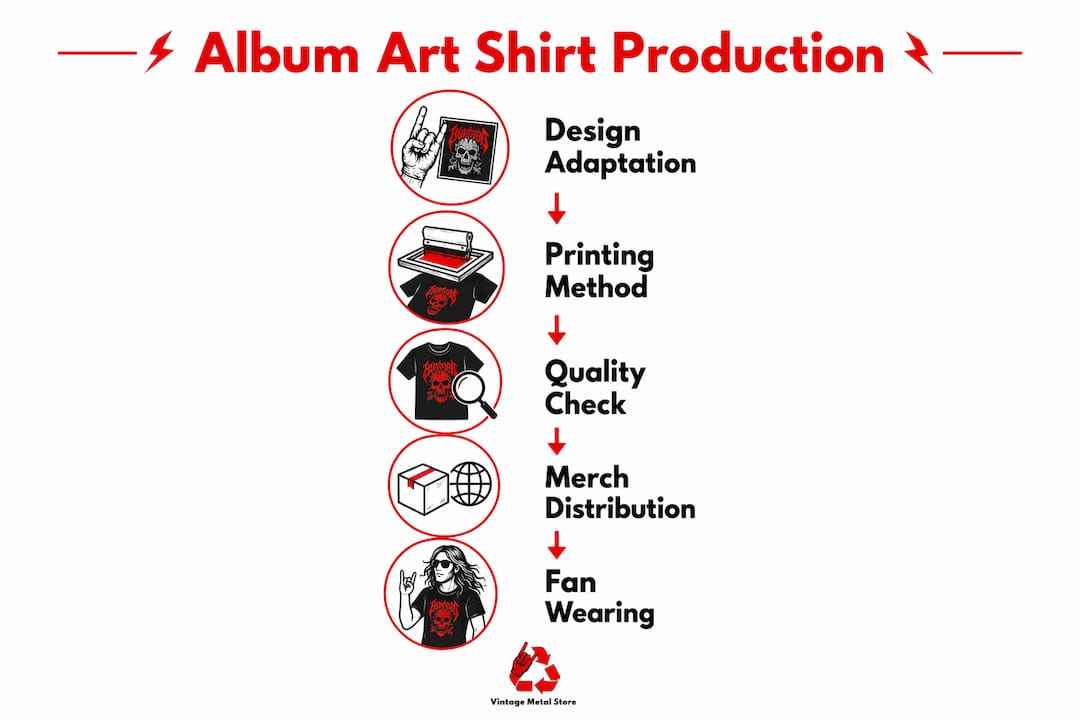
Complex textures and fine gradients that look stunning on a vinyl sleeve often become muddy on cotton. Designers must remove busy backgrounds, increase contrast, and sometimes reduce colour counts to keep the image readable at wearable scale. This is not a compromise. It is a craft skill in its own right.
Pro Tip: When assessing the quality of an album art shirt, check the edges of the print. Clean, sharp edges on fine detail areas like lettering or intricate linework indicate quality screen printing. Blurred or cracked edges suggest a low-resolution transfer.
| Printing method | Best for | Key limitation |
|---|---|---|
| Screen printing | Bold, high-contrast designs with limited colours | Struggles with photographic gradients and fine detail |
| Direct-to-film (DTF) | Full-colour and photographic artwork | Can feel stiff on fabric; less durable over time |
| Heat transfer | Short runs and fan-made shirts | Lower durability; edges lift with repeated washing |
The distinction between official merchandise and bootleg shirts also matters here. Official merch is produced with the band’s approved artwork files, correct colour profiles, and quality-controlled printing. Bootleg shirts often use low-resolution scans, resulting in prints that degrade quickly. Designers must adapt album art carefully for fabric, and that process requires access to original assets that bootleggers rarely have.
What are the current trends in album art t-shirts in heavy metal?
Heavy metal has always pushed album art further than any other genre. The genre’s visual tradition ranges from Metallica’s bold typographic treatments to Cannibal Corpse’s confrontational painted imagery, and both approaches have produced iconic types of heavy metal shirts that collectors chase for decades.
The most enduring designs share a common trait. They do not simply reproduce the album cover. They incorporate colour palettes, typography, or thematic elements that reference the artwork without being literal. This subtlety gives the shirt a longer life as a fashion piece, because it reads as design rather than merchandise.
Current trends in album art apparel within heavy metal culture include:
- Vintage tour stock: Original shirts from 1980s and 1990s tours carry premium collector value because the artwork was produced for a specific moment in a band’s history.
- Dead stock and ex-tour shirts: Unworn shirts from old tour runs are the holy grail for collectors. The print quality and fabric weight of older stock is often superior to modern reproductions.
- Subtle artistic motifs: Newer designs favour abstract references to album imagery rather than full cover reproductions, appealing to fashion-forward fans who want wearability alongside authenticity.
- Streaming-era thumbnail design: Album art in the streaming era must work at thumbnail size and reward close inspection. This dual-duty design philosophy is now influencing how shirt graphics are composed.
| Design style | Collector appeal | Fashion longevity |
|---|---|---|
| Literal cover reproduction | High for era-specific releases | Moderate; reads as merchandise |
| Abstract artistic motif | Moderate; depends on band legacy | High; functions as standalone fashion |
| Tour-specific artwork | Very high; tied to historical moment | High; rarity drives lasting interest |
| Typography-led design | Moderate | High; clean and versatile |
The why vintage t-shirts matter argument is not nostalgia alone. Original album art shirts from major tours represent a specific intersection of music history, graphic design, and cultural moment that cannot be reproduced authentically.
Key takeaways
Album art on shirts is the most direct way music identity crosses into fashion, and heavy metal has defined the standard for how that crossing is done with lasting cultural impact.
| Point | Details |
|---|---|
| Visual identity drives purchase | 75% of listeners say album art shapes music perception before they hear a note. |
| Commercial value is substantial | Music visual branding contributes to $1.4 billion in annual vinyl sales globally. |
| Official vs bootleg matters | Official merch uses approved artwork files; bootleg prints degrade quickly and do not support artists. |
| Design subtlety extends longevity | Shirts referencing colour and typography rather than literal covers last longer as fashion pieces. |
| Collector value peaks with tour stock | Original dead stock and ex-tour shirts carry the highest value due to historical specificity. |
Why album art shirts are more than merch to me
I have been around heavy metal apparel long enough to say this plainly: most people underestimate what an album art shirt actually is. They see merchandise. I see a primary document of music history printed on cotton.
The shirts that hold their cultural weight are never the ones that just slap a cover image on the front. The ones that last are the designs where someone made a real creative decision. They chose a detail from the artwork, a colour, a line, a symbol, and built something that stands alone as a piece of graphic design. That is the difference between a shirt you wear once and one you keep for twenty years.
The official versus unofficial question matters more than fans often admit. Joy Division’s Unknown Pleasures pulsar image has appeared on countless unofficial shirts because the artwork’s copyright status is genuinely complex. But in heavy metal, buying bootleg merch cuts the artist out entirely. If you care about the music, buy official or buy from curated vintage sources that trace provenance. Your purchase is a vote for the culture you want to sustain.
My honest suggestion for collectors: stop chasing the most famous designs and start looking at tour-specific artwork from bands you know deeply. A shirt from a band’s third tour, featuring artwork that never appeared on a studio release, is worth far more culturally and financially than a generic logo tee from a band everyone knows. The specificity is the value.
— David
Authentic album art shirts at Vintage Metal Store
Vintage Metal Store specialises in exactly the kind of album art apparel that serious collectors and metal fans want. The collection covers original tour stock, dead stock, and ex-tour shirts from some of heavy metal’s most significant acts.
If you are after a piece of genuine metal history, the rare Metallica 1992 tour tee is a standout. For a broader search, the full Metallica vintage shirt collection covers decades of tour and album artwork across Australian stock. Every shirt at Vintage Metal Store is sourced for authenticity. You are not buying a reproduction. You are wearing the legacy.
FAQ
What is the role of album art on shirts?
Album art on shirts translates a band’s visual and musical identity into wearable form, functioning as a cultural signal of fan affiliation, taste, and subcultural belonging. Research confirms that album artwork shapes music perception in as little as 13 milliseconds, making it one of the most powerful branding tools in music.
Why do album art shirts often outsell the music itself?
Fans who stream music for free still pay for shirts because the artwork creates an emotional and physical connection that digital files cannot replicate. Limited-edition and tour-specific designs add scarcity value that drives both initial sales and long-term collector demand.
What is the difference between official and bootleg album art shirts?
Official shirts are produced using approved artwork files with correct colour profiles and quality printing. Bootleg shirts typically use low-resolution scans, resulting in prints that degrade quickly and do not financially support the artists or their estates.
How does screen printing affect album art quality on shirts?
Screen printing requires high-contrast, simplified designs because complex textures and fine gradients lose detail on fabric that folds and moves. Quality screen printing produces clean, sharp edges on lettering and linework, which is the clearest indicator of a well-made shirt.
What makes a vintage album art shirt valuable to collectors?
Collector value peaks with tour-specific and dead stock shirts because they represent a fixed historical moment in a band’s career. Original fabric weight, print quality, and provenance all contribute to value, with shirts from 1980s and 1990s heavy metal tours commanding the highest prices.
Recommended
- Why fans collect old shirts: Cultural power of vintage metal tees – Vintage Metal Store
- Why bands sell tour shirts: culture and economics explained – Vintage Metal Store
- Band t-shirts in metal culture: identity, value and collecting – Vintage Metal Store
- Collecting tour shirts: their cultural value and impact – Vintage Metal Store


