



Your best bet for genuine vintage or ex‑tour Australian heavy metal bands t‑shirts is a specialist dealer like Vintage Metal Store, a vetted collector marketplace, or an estate sale with real provenance. Before you commit to any listing, run three checks: the tag and stitch type, whether it’s single or double stitched, and whether the seller can back the shirt with close‑up photos and history. The 2026 market carries a heavy load of reproductions, so skipping these checks is how collectors get burnt.
- Check the maker tag against known eras (Screen Stars, Giant, Brockum).
- Look at the hem. Single stitch generally points to an older shirt.
- Ask for provenance photos, not just a stock image.
Pro Tip: If a seller won’t send you a close‑up of the tag and the hem stitching before you pay, walk away. Genuine dealers expect the question.
Key Takeaways
Buying vintage or ex‑tour Australian heavy metal bands t‑shirts safely comes down to checking the tag, the stitch, the print texture, and the seller’s provenance before every purchase.
| Point | Details |
|---|---|
| Verify before you pay | Ask for tag, stitch, and print close‑ups; genuine sellers provide these without hesitation. |
| Know your terms | Vintage, deadstock, ex‑tour and reproduction each carry different value and risk. |
| Grade condition honestly | Mint, excellent, good, fair and worn shirts command very different prices. |
| Size by measurement, not tag | Vintage sizing runs smaller, so always request a flat chest measurement. |
| Shop specialist stock | Vintage Metal Store grades condition and checks tags and stitching before listing Australian metal shirts. |
Table of Contents
- Where do collectors actually find Australian heavy metal band t‑shirts?
- What’s the difference between vintage, deadstock, ex‑tour and reproduction shirts?
- How do you spot fakes and verify a shirt is genuine?
- How does condition affect what you should pay?
- What should you know about sizing, shrinkage and shipping?
- Final checklist before you hit buy
- A specialist’s note on sourcing and authentication
- Where to buy vintage and ex‑tour Australian metal shirts now
- Sources
- FAQ
Where do collectors actually find Australian heavy metal band t‑shirts?
Every channel has a trade‑off between price, risk and how much legwork you have to do yourself. Specialist vintage dealers and curated online stores, Vintage Metal Store’s collection among them, do the authentication and condition grading for you, which is why they typically sit at a higher price point than a random online find.
Estate sales, contacts from old touring crews, and stock from defunct screen printers are where the genuine bargains still turn up. One 2026 buying guide flags these as some of the strongest sources left, precisely because marketplace resellers haven’t stripped them out yet. The catch is provenance. A box from a deceased estate rarely comes with paperwork, so you’re relying on your own inspection skills.
Marketplaces and auction sites, think eBay or Depop style platforms, are hit and miss. Reliable sellers have consistent listing history, detailed measurements and multiple photo angles. Avoid anything with a single stock‑style image, vague band names, or a seller account created days ago.
Local swap meets and record fairs still matter too. The stallholders selling vinyl and posters often have a shirt or two tucked away that never made it online.
| Channel | Authentication effort | Typical price | Provenance strength |
|---|---|---|---|
| Specialist dealer | Low (done for you) | Higher | Strong |
| Estate sale / printer lot | High (self‑checked) | Lower | Weak to moderate |
| Marketplace / auction | Medium | Variable | Depends on seller |
| Swap meet / flea market | Medium | Lower | Weak |
What’s the difference between vintage, deadstock, ex‑tour and reproduction shirts?
These four terms get thrown around loosely, but they mean very different things for value.
- Vintage generally refers to shirts made before the year 2000, though some collectors extend the threshold to any tee at least 15 to 20 years old. Era matters because it usually tracks print method and scarcity.
- Deadstock (NOS) means the shirt is old but was never sold or worn. It can be a genuinely lower‑risk buy, since there’s no wear to grade, but it still needs checking for storage damage or dry rot that comes from sitting in a box for decades.
- Ex‑tour shirts carry hallmarks like venue lists or dated back prints tied to a specific run of shows. Genuine tour stock, like Anthrax’s 2018 Bloody Eagle World Tour shirt, commands a premium because it can’t be replicated after the fact.
- Reproductions and bootlegs show up constantly in listings, often described with softened language like “vintage style” or “retro inspired” rather than an honest year.
Pro Tip: If a listing says “vintage style” instead of naming a decade, that’s usually the seller telling you, without saying it outright, that the shirt isn’t actually old.
How do you spot fakes and verify a shirt is genuine?
Run through these checks in order before you ask a single question about price:
- Tag check. Look for period‑correct maker tags such as Screen Stars, Giant or Brockum, and note whether the tag has been cut out or looks freshly added.
- Stitch check. Single‑stitch hems generally point to older manufacturing, while double‑stitch is more common on modern reproductions.
- Print texture. Genuine silk‑screen prints sink into the fabric and crack with age, where heat transfer or DTG prints sit on top and look suspiciously crisp.
- Copyright line. Check the print for a copyright date and cross‑reference it against the tour or album it claims to represent.
Common red flags include tags that look deliberately distressed, fading that’s too uniform to be natural, and copyright text that doesn’t match the era claimed. Authentication rarely comes down to one test. It’s the combination of tag, stitch, print and story that tells you whether a shirt is real.
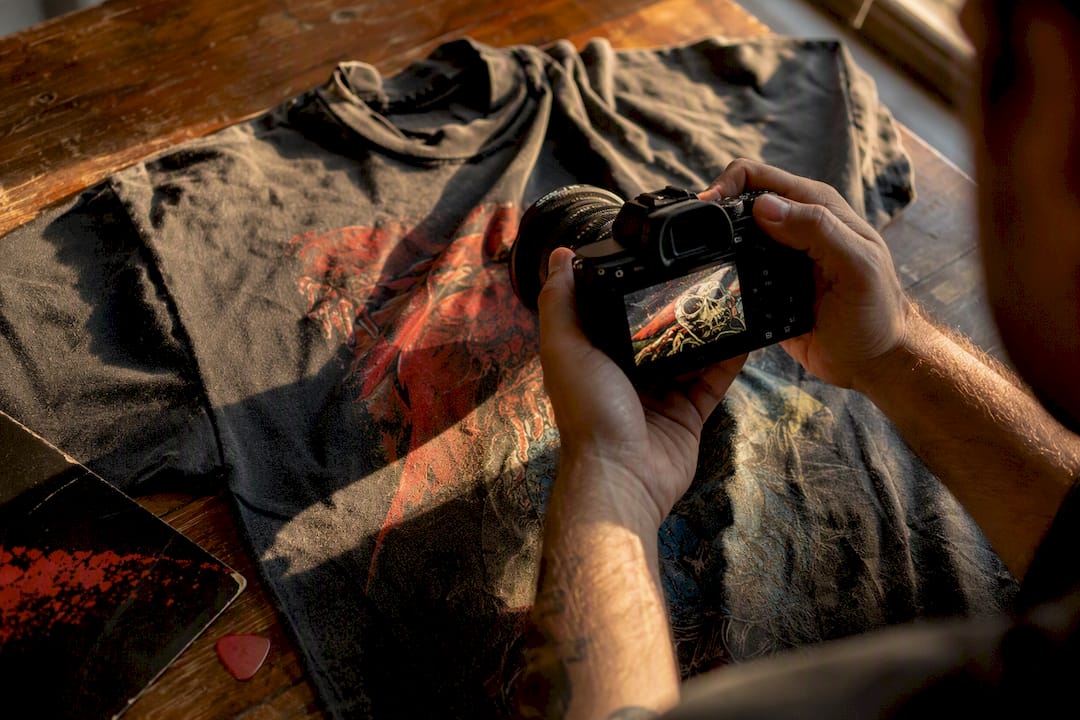
Before you pay, ask for five photos: front, back, tag, hem stitching, and a close‑up of the print edge. Any seller with real stock will have these on hand or take them within minutes.
How does condition affect what you should pay?
Collectors typically grade shirts on a simple scale, and understanding it stops you overpaying for something described generously.
- Mint / deadstock: unworn, tags intact, no fading.
- Excellent: worn a handful of times, minimal fading, no holes.
- Good: visible wear and some fading, but structurally sound.
- Fair: noticeable fading, minor holes or thinning at seams.
- Worn: heavy fading, holes, or fabric breakdown, usually only worth buying for a specific rarity.
Print method feeds directly into price. Silk‑screened shirts from the 80s tend to hold value better than heat‑transfer prints from the 90s, because the ink has bonded into the fabric rather than sitting on the surface waiting to peel. Common touring shirts from well‑known international acts might sit in a modest price band even in excellent condition, while genuinely rare Australian tour shirts, Toxicon’s Australian metal band shirt is a good example of the niche end of the market, can command far more due to limited print runs.
Repairs and restoration are worth considering only if the shirt is otherwise rare enough to justify it. Dry rot, on the other hand, is close to a dealbreaker. Once the fabric has weakened from age and poor storage, no amount of careful washing brings it back.
What should you know about sizing, shrinkage and shipping?
Vintage sizing runs smaller than modern sizing almost across the board, so a tag that says “Large” from 1995 fits more like a modern Medium. Always ask for a measured chest width and length rather than relying on the tag size alone.
| What to check | Why it matters |
|---|---|
| Measured chest (flat, pit to pit) | Tag sizes from decades ago run smaller than today’s equivalents |
| Fabric blend | Cotton/poly blends shrink less than pure cotton on a hot wash |
| Deadstock wash history | Even unworn shirts can shrink if the seller test‑washed them |
| Packaging method | Acid‑free tissue and rigid mailers protect prints on high‑value shirts |
Good sellers ship flat where possible, wrap prints in acid‑free tissue, and use a rigid mailer for anything above entry‑level pricing. A clear return window, paired with an honest condition grade and real photos, is one of the strongest signals you’re dealing with a seller who stands behind their stock.
Final checklist before you hit buy
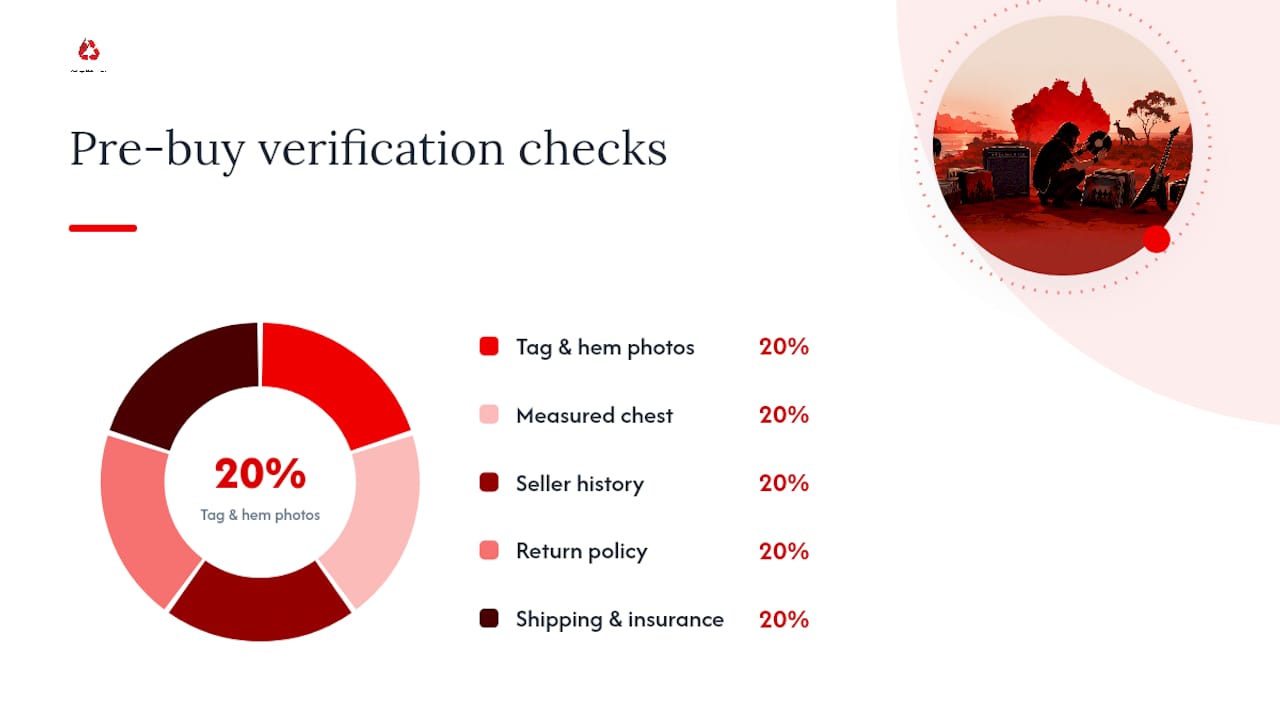
- Have you seen close‑up photos of the tag and the hem stitching?
- Has the seller given you a measured chest width, not just a tag size?
- Does the seller have a history of feedback or listings you can check?
- Is there a clear return policy if the shirt arrives not as described?
- Has shipping method and, for high‑value pieces, insurance been confirmed?
If all five check out, buy with confidence. If two or more are missing, walk away or ask for more proof before sending payment.
Pro Tip: Copy this line straight into a message to any seller: “Can you send close‑ups of the tag, hem stitching, and print edge, plus a measured chest width?” It filters out sellers who can’t back their listing in seconds.
A specialist’s note on sourcing and authentication
We source stock the same way a careful collector would shop: chasing estate sales, old printer contacts, and genuine ex‑tour runs, then checking every tag and stitch before it’s listed. Our Australian metal band shirts collection gets the same scrutiny as anything from an international act. If you want provenance details on a specific piece, ask, we keep notes on where our stock comes from.
Where to buy vintage and ex‑tour Australian metal shirts now
There are other places to hunt, estate sales, swap meets, marketplace listings, but none of them do the authentication legwork for you the way a specialist dealer does. Vintage Metal Store grades every shirt for condition, checks tags and stitching before listing, and tells you exactly what you’re getting instead of leaving you to guess from a single blurry photo.
Our current stock includes the Toxicon Australian Metal Band Shirt, genuine vintage Anthrax shirts, a rare Metallica 1992 tour tee, and ex‑tour pieces like the Archspire 2024 tour shirt. If you’re chasing tour memorabilia beyond t‑shirts, Vinylcollectibles is worth a browse too. Head to our full collection and message us directly if you need provenance notes or a measured chest width on any listing before you buy.
Sources
- Vintage clothing
- Vintage Band Tees: A No‑BS Buying Guide for 2026 — WEAR2AM Blog | WEAR2AM
- Vintage Band Tees: Identifying Reprints, Bootlegs, and Originals — NOSTOS
- A guide to buying vintage t‑shirts at thrift stores and on eBay — Comma Vintage blog
FAQ
What counts as a vintage band shirt?
Most collectors treat shirts made before 2000 as vintage, though some extend the cut‑off to anything at least 15 to 20 years old.
What’s the difference between deadstock and vintage?
Deadstock means unworn old stock regardless of age, while vintage refers specifically to the era the shirt was produced in.
How can I tell if a shirt is a reproduction?
Check the stitch (single stitch suggests older manufacturing), the print texture (screen prints sink into fabric, DTG sits on top), and the tag against known eras.
Are ex‑tour shirts worth more than standard releases?
Yes. Genuine ex‑tour shirts with venue lists or dated back prints are tied to a specific run of shows and can’t be reproduced after the fact, which drives up collector demand.
Where does Vintage Metal Store source its Australian metal shirts?
Vintage Metal Store sources stock through estate sales, printer contacts and verified ex‑tour channels, checking tags and stitching before any Australian metal band shirt goes to listing.
Recommended


