



TL;DR:
- Authentic black metal underground shirts are rare, limited-edition items linked to specific releases and scenes. They display characteristics like small print runs, verified origins, period-appropriate printing, and handmade craftsmanship. Collectors should verify provenance through labels, community knowledge, and detailed examination to avoid fakes.
Sourcing black metal underground shirts is the practice of locating officially licensed reissues, rare vintage originals, and handmade DIY pieces that represent the authentic culture of the black metal underground. These are not mass-produced band tees from a festival merch stand. They are cultural artefacts tied to specific releases, demo eras, and scenes that shaped extreme music from the late 1980s through the 1990s. Specialised labels like Cult Never Dies, Todestrieb, and Darkness Shall Rise Productions sit at the centre of the legitimate reissue market. Vintage Metal Store stocks ex-tour and deadstock pieces that carry the same weight of history.
What makes a black metal underground shirt authentic and collectible?
Authentic underground black metal shirts are defined by limited production, verifiable origins, and a direct connection to the music they represent. They are not simply old or obscure. They carry proof of their context.
The most collectible pieces share several characteristics:
- Limited print runs. Authentic underground shirts often come from runs of 100 units or fewer, whether as original merch or official reissues. Scarcity is built into the production model.
- Verified label or band origin. Shirts tied to recognised underground labels, specific demo releases, or documented live tours carry provenance that generic reprints cannot replicate.
- Period-correct printing methods. Early black metal shirts used single-colour or two-colour silkscreen on basic cotton. The print quality is often rough by commercial standards. That roughness is the point.
- Artwork integrity. The graphics reference specific releases, logos, or imagery from the band’s formative era. Reissues produced by labels like Darkness Shall Rise Productions work directly with band members to preserve original artwork.
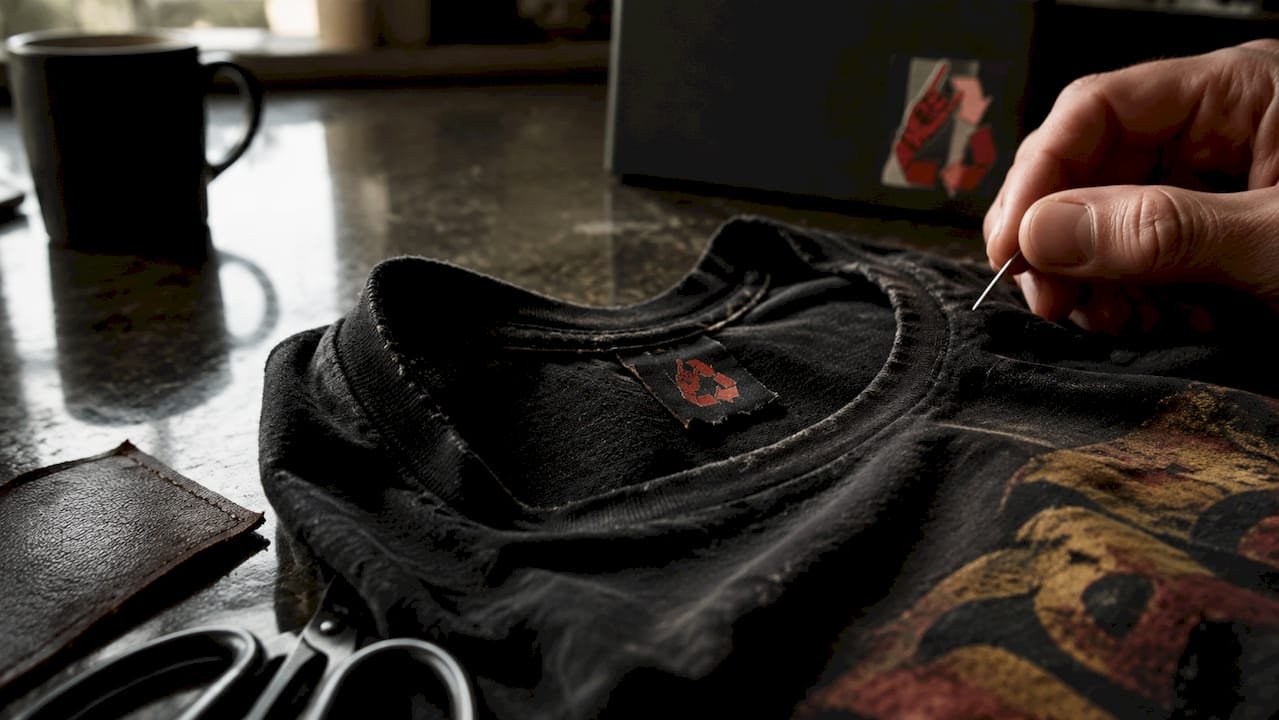
- Material and construction. Vintage originals typically used heavyweight single-stitch cotton. The tag, stitching style, and fabric weight all help date a shirt accurately.
Pro Tip: Photograph the tag, stitching, and print texture before purchasing any vintage shirt. These details are the fastest way to verify age and authenticity when consulting collectors or forums.
Shirts from seminal early releases, such as those connected to Norwegian or Swedish black metal demos from the early 1990s, sit at the top of collector demand. Sourcing shirts from underground 90s scenes means understanding that the original print run was never meant to outlast the decade.
Which specialised labels and producers should collectors seek out?
Three labels dominate the legitimate reissue market for underground black metal shirts: Cult Never Dies, Todestrieb, and Darkness Shall Rise Productions. Each operates with a clear focus on cultural preservation rather than mass retail.
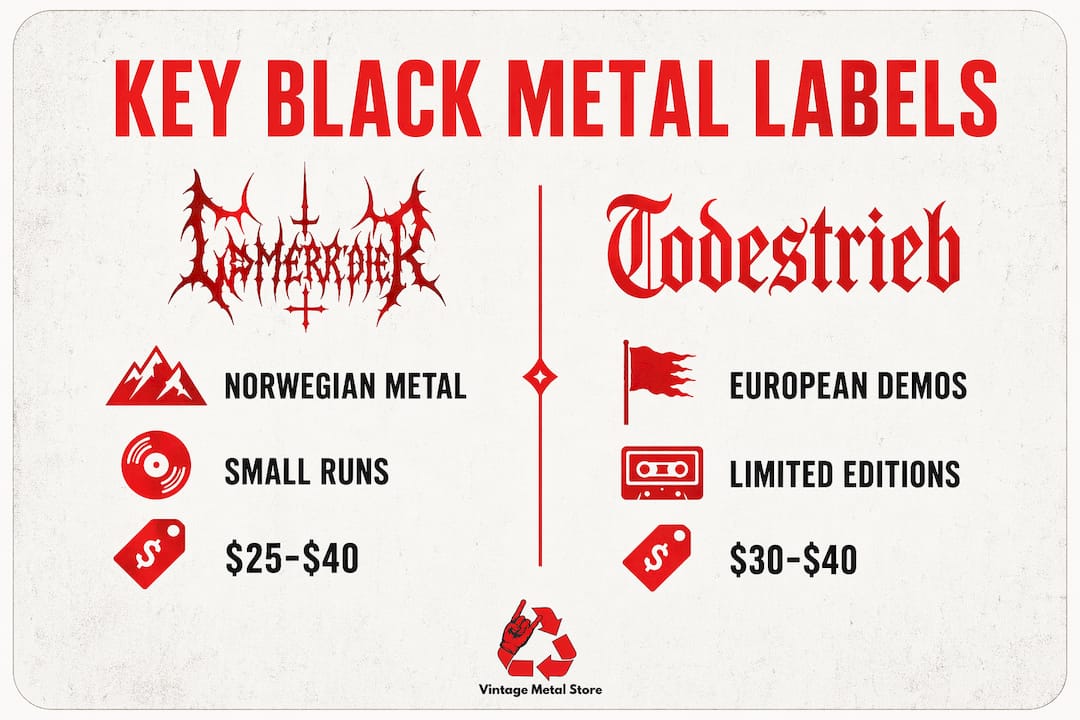
| Label | Focus | Typical run size | Price range |
|---|---|---|---|
| Cult Never Dies | Norwegian and European black metal legacy | Limited, often under 200 units | $25–$40 |
| Todestrieb | Raw and atmospheric underground black metal | Very limited, collector-focused | $25–$40 |
| Darkness Shall Rise Productions | Band-authorised reissues with original artwork | Limited, anniversary editions | $25–$40 |
Official licensed reissues often commemorate band anniversaries or classic demo eras, with designs created in direct collaboration with key band members. The Thorns (NOR) Ærie Descent shirt released through Darkness Shall Rise Productions is a clear example. It uses original band logos and artwork approved by the artist, making it a legitimate piece of history rather than a reproduction.
Limited edition runs from these labels retail between $25 and $40 depending on exclusivity and production scale. That price point reflects the collector market, not casual retail. When a run sells out, secondary market prices climb sharply.
Verifying authenticity with these labels means checking their official websites or authorised stockists directly. If a listing cannot be traced back to the label’s own release history, treat it with caution.
How to locate rare vintage and early-era black metal shirts?
Locating shirts from 90s metal demos and early-era releases is genuinely difficult. The original print runs were tiny, the shirts were worn hard, and most were never catalogued. Finding them requires patience, community knowledge, and a clear verification process.
-
Engage collector communities. Underground metal forums, dedicated social media groups, and tape-trading networks are where serious collectors share leads. These communities know which shirts existed, in what quantities, and what authentic examples look like. No algorithm replaces this knowledge.
-
Monitor specialist auctions and vintage retailers. Rare vintage shirts surface through niche online platforms and physical auctions. Patience is the defining skill here. A shirt you have been searching for may not appear for months, then show up twice in a week.
-
Know the original print quantities. Many iconic vintage shirts were produced in runs of around 100 units to support early releases and live performances. The Red Terrorizer longsleeve from 1989 is a documented example of this scarcity. Knowing the original run size helps you assess whether a listing is plausible or suspicious.
-
Distinguish originals from reprints. Locating shirts worn in 90s metal videos or finding shirts from 90s metal book covers requires knowing what the original looked like. Check the tag manufacturer, the print colour accuracy, and the fabric weight against documented examples. Reprints often use modern Gildan or Fruit of the Loom blanks that did not exist in the early 1990s.
-
Use trusted specialist stores. Verified sourcing platforms that specialise in vintage metal merchandise reduce the risk of purchasing bootlegs or overpriced fakes. Vintage Metal Store, for example, stocks ex-tour and deadstock pieces with documented origins.
-
Budget for the secondary market. Original early-era shirts in good condition command prices well above their original retail value. Set a realistic ceiling before you start searching, and do not let scarcity pressure you into a purchase you cannot verify.
What role does DIY culture play in authentic black metal shirt collecting?
DIY silkscreening is the origin point of black metal apparel culture. Before labels existed to produce official merchandise, bands and fans made their own shirts by hand. DIY silkscreening was the core production method for early black metal apparel, and it made every shirt a unique, one-of-a-kind piece.
Key characteristics of authentic DIY black metal shirts include:
- Hand-applied silkscreen prints. The ink coverage is uneven, edges bleed slightly, and no two shirts are identical. This imperfection is the authentication marker.
- Non-standard base colours. DIY shirts were often printed on white cotton as a practical choice, even though black was the aesthetic norm. A handmade Morbid Angel shirt on white cotton is a documented example of this cultural reasoning.
- No official tags or labels. Handmade pieces rarely carry any branding beyond the print itself. The absence of a label is often a sign of authenticity, not a red flag.
- Direct community origin. These shirts passed between fans, tape traders, and scene members. Their provenance is social rather than commercial.
Pro Tip: When you encounter a DIY shirt, ask the seller for its history. A shirt with a traceable story, such as “bought from the vocalist at a 1993 show in Oslo,” carries cultural value that no reissue can match.
Handmade shirts are prized as much for their origins as for their rarity. Collectors who understand DIY culture recognise that these pieces represent the hardcore underground ethos that defined black metal before it had an industry. Identifying shirts from 90s speed metal or sourcing shirts from 90s metal labels often leads back to this same DIY tradition.
Tips for safe and effective sourcing of underground shirts
Sourcing authentic underground shirts without getting burned requires a clear process. These practices protect your collection and your budget.
- Verify label legitimacy first. Cross-reference any listed shirt against the releasing label’s official catalogue. Cult Never Dies, Todestrieb, and Darkness Shall Rise Productions all maintain documented release histories.
- Check print details carefully. Examine ink colour, print registration, and artwork accuracy against known originals. Bootlegs often get the details slightly wrong, particularly with logo fonts and artwork proportions.
- Confirm provenance before paying. Due diligence means confirming the label reputation and production history before any purchase. Ask for documentation, original receipts, or community verification.
- Use specialist stores over general marketplaces. General resale platforms carry a high proportion of bootlegs and reprints. Specialist stores with a track record in vintage metal merchandise reduce that risk significantly.
- Set a realistic budget. Limited edition reissues retail at $25–$40. Original vintage pieces in good condition cost considerably more. Know the difference before you negotiate.
- Avoid listings with no provenance. If a seller cannot explain where a shirt came from, that is a clear warning sign. Authentic pieces have histories.
Key takeaways
Authentic black metal underground shirts require verified provenance, period-correct production details, and a direct connection to recognised labels or documented DIY origins.
| Point | Details |
|---|---|
| Authenticity markers | Check print method, fabric weight, tag style, and artwork accuracy against known originals. |
| Specialist labels | Cult Never Dies, Todestrieb, and Darkness Shall Rise Productions are the primary legitimate reissue sources. |
| Vintage scarcity | Original early-era shirts often had runs under 100 units, making provenance verification critical. |
| DIY cultural value | Handmade silkscreen shirts carry community origin stories that make them irreplaceable as cultural artefacts. |
| Safe sourcing | Use specialist stores, verify label history, and set a realistic budget before purchasing rare pieces. |
What I have learned from years of chasing underground shirts
The collectors who build the best collections are not the ones with the biggest budgets. They are the ones who do the reading.
I have seen people pay serious money for a bootleg simply because it looked worn and old. Age alone means nothing. A shirt printed last year on a distressed blank can fool a casual buyer every time. The collectors who never get caught out are the ones who know the original artwork, the original tag, and the original print colour before they ever open their wallet.
The community is your best resource, and it is genuinely generous if you approach it with respect. Forums, tape-trading networks, and collector groups hold institutional knowledge that no catalogue can replicate. Spend time there before you spend money anywhere.
The thrill of finding a genuine piece from a 1993 Norwegian demo tour is real. So is the disappointment of realising a purchase was not what it claimed to be. Patience and verification are the two habits that separate a strong collection from an expensive mistake.
Wear what you find. These shirts were made to be worn, not sealed in plastic. A shirt that carries the weight of black metal history belongs on your back, not in a drawer.
— David
Rare and authentic metal shirts at Vintage Metal Store
Vintage Metal Store is a trusted source for vintage heavy metal shirts in Australia, stocking ex-tour stock, deadstock, and rare band shirts with documented origins.
The collection includes pieces that serious collectors actually want, from rare vintage concert shirts to specific tour deadstock that never made it to general retail. If you are after a rare 1992 tour tee with verified provenance, Vintage Metal Store is the place to look. Every piece in the catalogue carries the kind of history that makes a collection worth having. Browse the full range and wear the legacy.
FAQ
What are black metal underground shirts?
Black metal underground shirts are limited-edition or handmade garments tied directly to underground black metal releases, demos, or live performances. They are defined by small print runs, DIY or specialist-label origins, and verifiable cultural provenance.
How do I spot a bootleg black metal shirt?
Check the print registration, artwork accuracy, fabric weight, and tag manufacturer against documented originals. Bootlegs frequently use modern blank shirts and slightly incorrect logo fonts that collectors recognise immediately.
Where can I find authentic vintage black metal shirts in Australia?
Specialist stores like Vintage Metal Store stock ex-tour and deadstock pieces with verified origins. Niche collector auctions and underground metal communities are also reliable sources for authentic vintage pieces.
How much do authentic underground black metal shirts cost?
Limited edition reissues from labels like Cult Never Dies and Darkness Shall Rise Productions retail between $25 and $40. Original vintage shirts from the early 1990s command significantly higher prices on the secondary market.
Are DIY handmade black metal shirts worth collecting?
Yes. DIY silkscreened shirts are among the most culturally significant pieces in underground metal collecting. Their value comes from their unique handmade nature and direct community origins, not just their age.
Recommended
- Collector’s guide to vintage heavy metal t-shirts: spot, value, collec – Vintage Metal Store
- Top 6 Sepultura T Shirts alternatives 2026 – Vintage Metal Store
- Collectible heavy metal shirts: Rare picks, values, tips – Vintage Metal Store
- Finding shirts from the metal radio era: collector’s guide – Vintage Metal Store


