



TL;DR:
- Authentic vintage shirts have specific tags, stitching, and fading patterns that collectors verify carefully.
- Proper research, measurement, and trusted seller checks prevent buying fakes and reprints.
- Correct storage and documentation help maintain shirt value and build a meaningful collection.
Finding a genuine retro heavy metal shirt that fits properly, looks right, and doesn’t turn out to be a clever fake is genuinely hard. For Aussie collectors, the challenge is even sharper — you’re often shopping across time zones, trusting photos taken in bad lighting, and competing with international buyers who know exactly what they’re after. Counterfeits flood the mainstream marketplaces, modern reprints sneak into listings labelled as originals, and sizing from the 1990s follows no consistent standard. This guide walks you through every phase: preparation, the buying process, authentication, and long-term care. Follow these steps and every future purchase becomes a confident one.
Table of Contents
- What to know before you shop for retro band shirts
- Step-by-step retro shirt shopping process
- Spotting authentic retro shirts: inspection and verification
- After the buy: care, storage and future-proofing value
- Why the real value of retro shirts is in the journey
- Score your next vintage metal shirt with confidence
- Frequently asked questions
Key Takeaways
| Point | Details |
|---|---|
| Preparation is key | Prepping with a want list and knowledge of terms avoids most vintage shirt pitfalls. |
| Follow each buying step | A systematic search, inspect, and verification approach saves you money and stress. |
| Check for authenticity | Scrutinise tags, stitching, and wear details to avoid fakes and overpriced reprints. |
| Care matters | Proper storage and cleaning can double the life and value of your retro shirt finds. |
What to know before you shop for retro band shirts
Before you even open a browser tab, you need to understand the language collectors use. Four terms will save you enormous grief. Deadstock means a shirt that was manufactured and stored but never worn or sold, making it essentially new old stock. A reprint is a modern reproduction of a classic design, sometimes sold legitimately as a tribute but often mislabelled as original. A bootleg is an unauthorised shirt, usually sold at or near a gig without the band’s permission, and these vary wildly in quality. Y2K refers loosely to shirts from the late 1990s and early 2000s era, a period with its own distinct tag styles and print characteristics.
Buying retro shirts often involves special sizing quirks and authenticity risks that catch newcomers off guard. A shirt labelled XL from 1993 might fit like a modern medium. Always grab a tape measure before you shop.
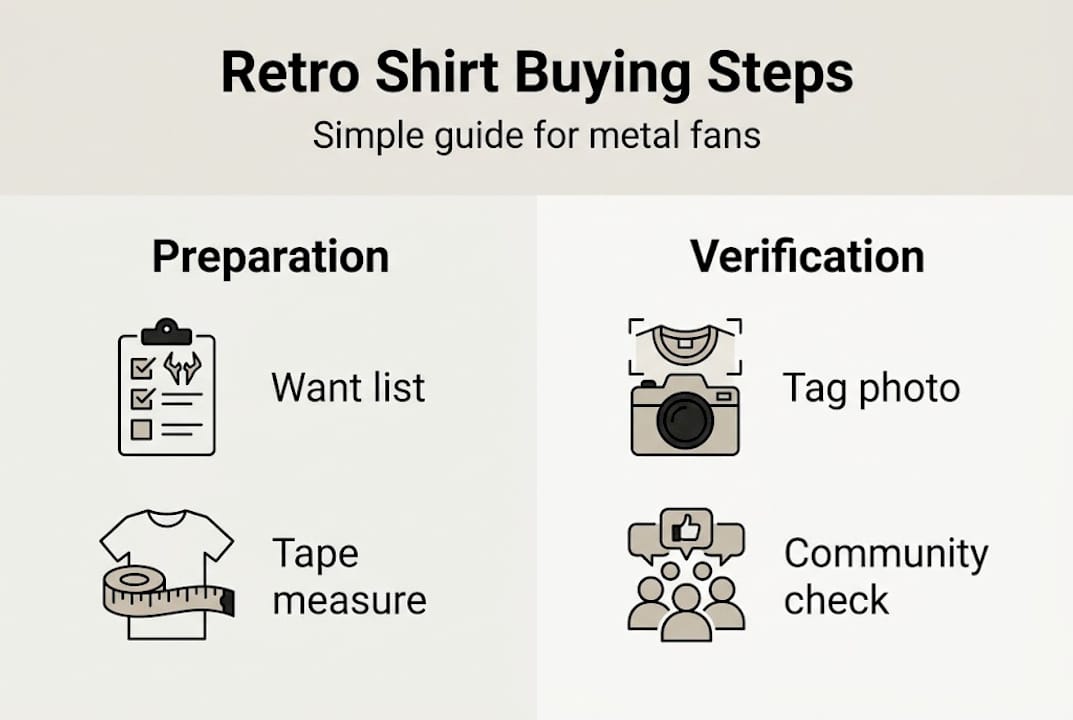
What to prepare before you start searching:
- Your chest, waist, and body length measurements in centimetres
- A running want list of specific bands, tours, and years you’re targeting
- A shortlist of trusted sellers or specialist shops you’ve researched in advance
- Condition notes that define what level of wear is acceptable to you
- Reference photos of authentic tags from the era you’re chasing
| Prep item | Why it matters |
|---|---|
| Tape measure | Vintage sizing is inconsistent across labels and years |
| Want list | Stops impulse buys and keeps your collection focused |
| Trusted seller list | Reduces exposure to fakes on generic marketplaces |
| Condition benchmark | Helps you negotiate price and avoid disappointment |
| Tag reference photos | Lets you cross-check listings against known authentic tags |
Pro Tip: Always request close-up tag photos from sellers. The shirt sizing guide explains why vintage sizing differs so dramatically from modern cuts, and a tag shot often reveals the era of manufacture at a glance.
Common pitfalls include fakes on large global platforms, modern reprints with aged-looking graphics, and impulse purchases driven by excitement rather than evidence. The collectors who avoid these problems are the ones who identify genuine shirts systematically rather than on gut feeling alone.
Step-by-step retro shirt shopping process
A systematic approach helps collectors avoid scams and get shirts in top condition, rather than scrambling to fix problems after money has changed hands. Here is the exact sequence to follow:
- Research your target shirt. Know the tour, the year, and what genuine examples look like. Collector forums and Instagram archives are excellent resources.
- Build a shortlist of listings. Never commit to the first shirt you see. Shortlist three to five options and compare details side by side.
- Check every listing detail. Read the full description, examine every photo, and note the condition grade the seller uses.
- Contact the seller with specific questions. Ask about the tag, the print condition, and the exact measurements. Vague answers are a red flag.
- Request additional photos. Ask for shots of the back tag, neck tag, copyright line, and any significant wear areas.
- Agree on a payment method with buyer protection. PayPal Goods and Services or a credit card offer recourse if the shirt doesn’t match the listing.
- Confirm shipping details. Tracked and insured postage is non-negotiable for anything valuable. Get the tracking number before the seller closes communication.
Use the buying checklist to run through each step without missing a checkpoint.
| Platform | Authenticity risk | Buyer protection | Price range | Best for |
|---|---|---|---|---|
| eBay | Medium to high | Good (via eBay or PayPal) | Competitive | Wide variety, global stock |
| Specialist vintage shops | Low | Moderate | Premium | Verified deadstock and tour shirts |
| Collector forums | Low | Minimal | Varies | Community-vetted sellers |
| Facebook Marketplace | High | Poor | Lower | Local finds, higher risk |
Pro Tip: On high-value shirts, request a short video showing the tag, print, and stitching all in one unedited clip. It’s much harder to fake than still photos. A safe second-hand purchase always comes down to verification before payment.
Spotting authentic retro shirts: inspection and verification
Once you’ve found a shirt that excites you, confirming its authenticity before payment is the most important thing you’ll do. Fakes have improved significantly over the years, but genuine vintage shirts still carry details that reproductions consistently miss.
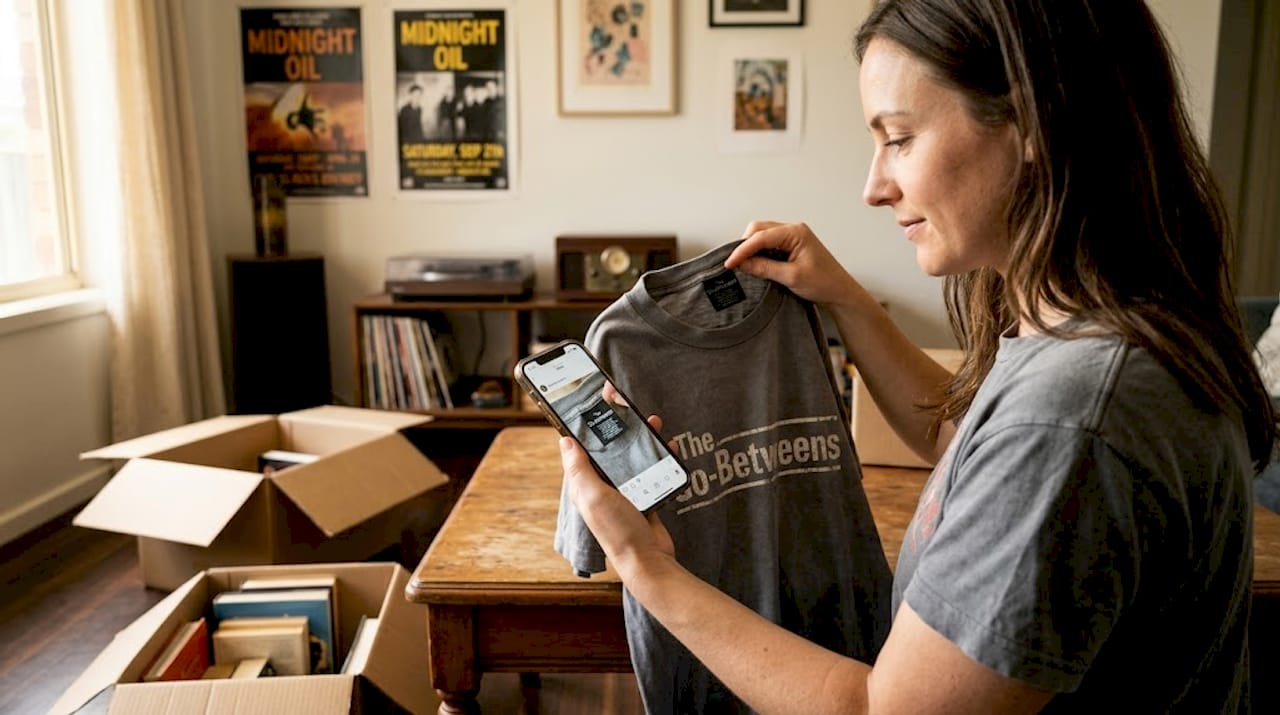
Collectors must inspect tags, stitching, and ink quality to spot authentic vintage shirts before committing to a purchase.
Visual inspection checklist:
- Neck tag: Authentic tags from the 1980s and 1990s have specific fonts, label manufacturers (Fruit of the Loom, Hanes Beefy-T, Screen Stars), and printing methods. Research what the correct tag looks like for your target era.
- Copyright/information line: Genuine licensed shirts carry a copyright line, often printed along the bottom hem or inside the neck tag. Check the format matches the year.
- Stitching: Look for double-needle stitching along the hem and sleeves. Single-needle stitching on a supposed vintage shirt can indicate a bootleg or reprint.
- Fade and wear patterns: Authentic ageing creates uneven fading, especially around the collar and underarms. Artificially distressed shirts tend to look uniformly worn.
- Print quality: Vintage screen printing has a tactile texture and slight ink cracking with age. Modern plastisol prints sit flat and uniform.
“If the tag looks too new, it probably is.”
Red flags to watch for:
- Cheap, flat print with no texture or age cracking
- A tag that looks crisp and bright on a supposedly 30-year-old shirt
- Inconsistent graphics compared to known authentic examples
- Missing wash fade or artificially even distressing
Pro Tip: Compare your find with posts in dedicated collector communities or cross-check with the vintage band shirt checklist before committing. Three quick verification steps: compare the tag against a known reference, check the copyright line format, and look for natural fade patterns around the collar.
After the buy: care, storage and future-proofing value
After purchase, your work isn’t done. Real collectors keep their shirts looking fresh for decades, and that means treating them properly from day one. Proper storage and minimal washing helps shirts stay valuable for years, a fact that surprises many first-time buyers who assume older shirts can handle rough treatment.
Care and storage do’s and don’ts:
- Do wash inside-out in cold water on a gentle cycle
- Do air dry flat rather than using a tumble dryer
- Do store in a cool, dark, and dry environment
- Do use acid-free tissue paper when folding shirts for long-term storage
- Don’t use bleach or fabric softener on vintage prints
- Don’t hang shirts on wire hangers, which can distort shoulder seams
- Don’t store in direct sunlight, which fades prints rapidly
- Don’t use plastic bags for storage, as they trap moisture and cause yellowing
Pro Tip: Use acid-free boxes for long-term storage. Standard cardboard contains acids that yellow cotton fabric over time, which destroys both the look and the resale value of your storing vintage shirts collection.
Documenting each shirt is just as important as caring for it. Photograph the front, back, neck tag, and any notable details against a neutral background. Keep a simple spreadsheet with the band, tour, year, condition grade, purchase price, and provenance notes. This documentation makes future selling for profit far smoother and gives buyers the confidence that lifts your asking price. Rotating your collection periodically also helps you avoid storing shirts you no longer connect with, freeing budget for pieces that genuinely excite you.
Why the real value of retro shirts is in the journey
Here’s the part most guides skip. Collecting vintage metal shirts isn’t really about the inventory you accumulate. It’s about the stories behind each piece and the community you build along the way. The collectors we respect most aren’t the ones who bought fast and cheap. They’re the ones who did the work, learned from a failed purchase or two, and now know exactly what they’re looking at within seconds.
Shortcutting the process by grabbing whatever looks close enough almost always leads to regret, whether it’s an inauthentic shirt you paid genuine money for or a great-looking piece that simply doesn’t fit. The research, the verification, the back-and-forth with sellers — that process is where the knowledge lives.
Every shirt you verify correctly teaches you something that makes the next find easier. The buying workflow insights that seasoned collectors use weren’t developed overnight. They came from patience and careful attention. When you land a legitimate 1991 tour shirt that checks every box, the win feels different because you earned it. That’s the experience worth protecting.
Score your next vintage metal shirt with confidence
You’ve got the knowledge. Now it’s time to put it to work and find something genuinely worth owning.
At Vintage Metal, every shirt in the collection has been sourced with authenticity at the front of mind — ex-tour stock, genuine deadstock, and rare 90s finds from bands like Metallica, Slayer, and Sepultura. Whether you’re after vintage Metallica shirts from a specific era or hunting through rare heavy metal shirts you won’t find anywhere else, the hard verification work is already done. Browse the full range of all vintage shirts and add something legendary to your collection today.
Frequently asked questions
How can I tell if a retro metal shirt is genuine?
Check for authentic tags and stitching that match the manufacturing era, and look for natural fade and print cracking consistent with age. Cross-referencing with collector resources before buying is always worth the extra time.
What’s the safest way to buy vintage shirts online?
Buy from reputable sellers with clear photos, return policies, and buyer protection, and use the safe buying practices outlined for second-hand shirts to verify details before any payment is made.
Which sizes should I look for in 1990s shirts?
Always rely on exact measurements rather than tag size, as vintage sizing differs widely from modern cuts and varies significantly between labels and years.
How should I store retro shirts to keep them valuable?
Store away from sunlight, use acid-free boxes or quality hangers, and follow the top condition tips to avoid print damage and fabric yellowing from infrequent but correct washing.
Is it worth paying extra for rare tour shirts?
Rare tour shirts often increase in collector value over time, and the investment value of genuine pieces makes the premium worthwhile for serious fans building a meaningful collection.
Recommended
- Vintage Shirt Sizing Guide for Heavy Metal Collectors – Vintage Metal Store
- How to Buy Second Hand Metal Shirts for Collectors – Vintage Metal Store
- 7 Steps to the Ultimate Heavy Metal Shirts Buying Checklist – Vintage Metal Store
- Heavy metal shirt buying workflow 2026: 70% value guide – Vintage Metal Store


