



For collectors, “all over print shirts” means something specific: authentic vintage, ex-tour or deadstock heavy-metal band shirts, not the print-on-demand novelty gear that phrase usually pulls up online; for important context on collecting markets and parallels, see vinyl collectibles. The distinction matters because the money is in the details. Before you spend a cent, check for an era-correct woven neck tag, single-stitch hems, natural plastisol cracking across the print, and a genuine tour back print with real provenance behind it. Get those four right and you’re likely holding the real thing.
- Green flags: period-correct tag (Screen Stars, Brockum, Giant), single-stitch construction, cracked but original plastisol ink, documented tour dates on the back
- Red flags: modern blank brands, double-stitched hems on a “1980s” shirt, uniformly cracked or sandpapered ink, vague or missing seller history
Vintage Metal Store built its entire catalogue around getting this right, sourcing ex-tour and deadstock stock rather than reprints, which is the standard every collector should hold a seller to.
TL;DR:
- Authentic vintage all-over print metal shirts should have era-specific tags such as Screen Stars, Brockum, or Giant, along with single-stitch hems and cracked original plastisol ink.
- Modern fake shirts often feature blank brands like Gildan or Bella+Canvas, uniform distressing, and flat, rubbery print textures indicating modern printing methods.
- Proper authentication requires cross-checking the tag, stitching, print ageing, fabric quality, and provenance, rather than relying on a single detail.
- Price varies significantly based on condition, rarity, and tour-specific or artist-demanded designs, with mint-condition, tour-specific items commanding the highest prices.
- A trusted seller should provide full photos of the tag, full back print, and stitching, and be willing to share provenance details before purchase, especially for high-value items.
Table of Contents
- How do you authenticate an all over print metal shirt?
- What are the most common fakes to watch for?
- How much should you pay for a vintage metal shirt?
- How do you store a vintage metal shirt properly?
- Why Vintage Metal Store treats authentication as non-negotiable
- Where to find genuine ex-tour and deadstock metal shirts
- Key Takeaways
- Sources
- FAQ
How do you authenticate an all over print metal shirt?
Authentication works best as a sequence, not a single glance. Dealers who do this professionally check tag, stitching, print method, fabric and copyright lines together, because no single signal proves anything on its own. Here’s the order that actually works.
- Read the tag first. Screen Stars, Screen Stars Best, Tultex, Giant, Brockum and Hanes all had distinct eras of production, and tag design is one of the most reliable dating markers once you cross-check it against the other signals below.
- Check the stitching. Single-stitch hems on the sleeves and bottom hem generally point to pre-late-1990s manufacturing. Double-stitching doesn’t automatically kill a shirt’s legitimacy, but paired with a “vintage” claim from the 1980s, it’s a serious warning sign.
- Study the print method and how it’s aged. Genuine plastisol screen printing cracks in an organic, uneven way as the shirt is worn and washed. Ink sits in visible layers you can feel with your fingertip. Heat-transfer prints from the 1993–2000 window are real vintage, just a different tier: authentic pieces of that era, usually valued below silk-screened originals from the same tour.
- Feel the fabric. Original 1980s and early 1990s tees tend to run in heavyweight 50/50 cotton/poly blends or dense 100% cotton, with a fit and drape that’s noticeably different from thin modern retail cotton.
- Confirm copyright lines, tour dates and provenance. A legitimate copyright/licensing line on the print, matched to plausible tour dates, plus a seller who can show tag photos and full back-print shots, closes the loop.
One nuance worth knowing: not every unlicensed shirt from a 1980s or 1990s tour is a modern fake. Era-correct bootlegs sold outside venues during actual tours are a legitimate collector sub-category, and they get authenticated using the exact same markers as official merch.
Pro Tip: *Photograph the tag, the full back print, and a close-up of the hem stitching before you ask anyone to authenticate a shirt.
For a deeper walkthrough with photo examples, Vintage Metal Store’s step-by-step shirt authentication guide covers the same checklist in more visual detail.
What are the most common fakes to watch for?
Most fakes fall apart on inspection once you know where to look. The giveaways are consistent enough that you can rule out a bad listing in under a minute.
- Modern blanks. Gildan Soft-Style and Bella+Canvas tags are common on reprints made after 2008. Finding one on a shirt claimed to be from a 1980s tour is close to a disqualifying red flag on its own.
- Fake ageing. Real plastisol cracks unevenly with wear. Fakes often show uniform, sandpapered cracking across the entire print, as though someone distressed it deliberately with a scouring pad.
- DTG and sublimation tells. Direct-to-garment and sublimation prints sit on top of the fabric rather than in layers, and they feel flat and rubbery under a fingertip, nothing like aged screen ink.
- Artwork and data errors. Slightly rescaled logos, wrong venue names, mismatched tour dates, or copyright text that doesn’t match the era are all common mistakes counterfeiters make when copying an original design.
A structured check catches nearly all of this. One widely used authentication order runs hem, then tag, then country of manufacture, then print method, then fabric, then copyright, then provenance. A shirt that clears most of those checks is almost certainly genuine; one that fails two or three is a shirt to walk away from.
For anything priced in the hundreds of dollars, particularly rare tour exclusives or early pressings from major acts, it’s worth getting a second opinion from a dedicated authenticator before you commit. Vintage Metal Store’s guide on identifying bootleg metal tees is a useful next step if you want more examples specific to bootlegs and unofficial tour merch.
How much should you pay for a vintage metal shirt?
Condition and rarity drive price more than anything else, and the two interact. A mint-condition shirt from a well-known tour will always outprice a worn one, but a rough shirt from a genuinely rare, undocumented run can still beat a pristine mass-produced tee.
- Mint: no fading, no holes, tag fully intact — commands top price for the design
- Very good: light fading or minor wear, tag present and legible — still strong collector value
- Fair: noticeable fading, small holes or stains, tag partially worn — priced accordingly, still collectable
- Worn: heavy fading, holes, cracked print throughout — value depends almost entirely on rarity
Beyond condition, rarity, artist demand, tour significance and artwork quality all shift what a shirt is worth. A back print naming a specific, well-documented tour leg is worth more than a generic front-only design.
Before you buy, ask the seller for tag photos, a full back-print shot, and any history of the shirt’s ownership. Confirm the payment method is secure, check the return policy, and make sure shipping includes proper protection for fabric, not just a poly mailer. Vintage Metal Store’s buying checklist runs through these questions in more depth if you want a full pre-purchase script.
How do you store a vintage metal shirt properly?
Once you’ve got a genuine piece, protecting it is straightforward if you follow a few rules.
- Skip hot water and harsh detergents; spot clean where possible and use gentle, cold-water washing only when necessary
- Fold shirts in acid-free tissue and store in breathable boxes, away from direct light and away from damp or hot storage areas
- Keep humidity and temperature stable; attics and garages are the two worst places for a collection
- Frame only with UV-protective glass and archival mounting if you want a shirt on display long-term
Storage best practice recommended by experienced collectors centres on acid-free materials and minimal handling, which is the cheapest insurance you’ll ever buy for a shirt.
Pro Tip: If a shirt is genuinely rare or in fragile condition, a textile conservator is worth the consultation fee before you attempt any cleaning at all.
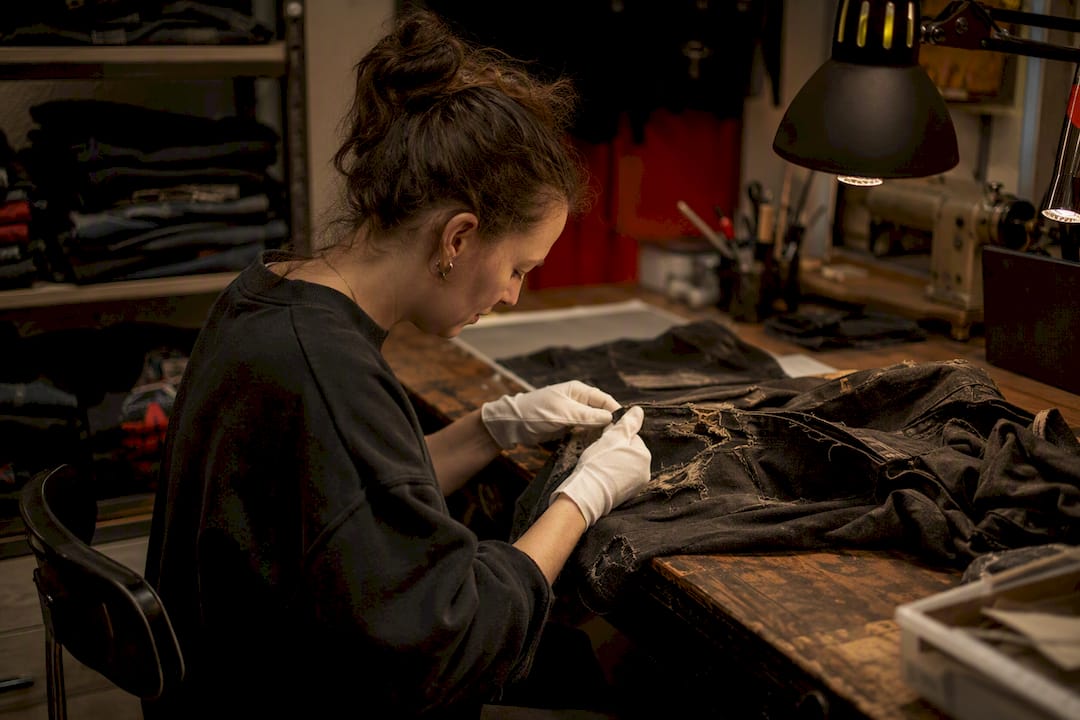
Why Vintage Metal Store treats authentication as non-negotiable
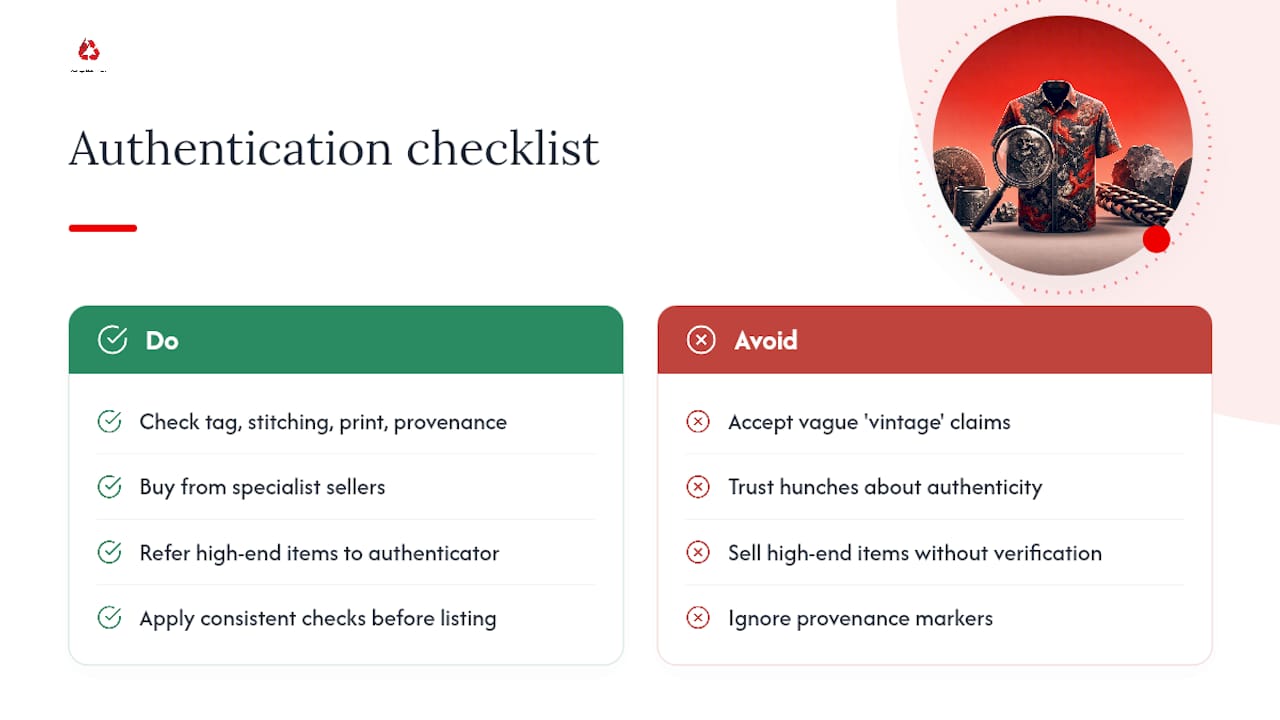
Vintage Metal Store exists because too many collectors have been burned by listings that call anything with a faded print “vintage.” The store specialises in genuine ex-tour and deadstock heavy-metal shirts, and every piece gets checked against the tag, stitching, print and provenance markers covered above before it’s listed. That’s the same discipline this guide has walked you through, applied consistently rather than left to chance.
For anything at the higher end of the price range, we’d rather point a buyer toward an independent textile authenticator than sell on a hunch. That’s not a limitation. That’s how you keep a collector’s trust in a market full of reprints.
— David
Where to find genuine ex-tour and deadstock metal shirts
Every shirt covered in this guide, the tag checks, the stitching, the print ageing, exists to help you buy with confidence instead of guessing. Vintage Metal Store runs on that same standard: every listing is vintage, second-hand, ex-tour or deadstock stock, never a modern reprint dressed up as one.
Browse the full catalogue across all current listings, or go straight to a specific artist if you know what you’re chasing. The Metallica tour shirt collection is one of the deepest on the site, and pieces like this rare 1992 Metallica tour tee show the calibre of ex-tour stock we’re talking about. Niche acts get the same care, from DevilDriver to Unearth to Brain Drill. If you’ve got questions about a specific piece’s provenance before you buy, get in touch. That’s what a specialist store is for.
Key Takeaways
Authenticating a vintage metal shirt comes down to cross-checking the tag, stitching, print ageing and provenance together, never relying on just one signal.
| Point | Details |
|---|---|
| Check the tag first | Screen Stars, Giant, Brockum, Tultex and Hanes tags each point to specific production eras. |
| Single-stitch is a strong clue | Single-stitch hems generally indicate pre-late-1990s manufacturing, though it’s one signal among several. |
| Watch for modern blanks | Gildan Soft-Style or Bella+Canvas tags on a “1980s” shirt are close to a disqualifying red flag. |
| Condition and rarity set price | Mint, tour-specific back prints from rare runs command the highest prices in any condition grade. |
| Shop verified ex-tour stock | Vintage Metal Store lists authenticated vintage, ex-tour and deadstock heavy-metal shirts, not reprints. |
Sources
- DJR Expert Guide Series, Vol. 266 — Real vs. Fake: Counterfeit Vintage Band T‑Shirts
- Vintage Band Tee: Identifying Reprints, Bootlegs, and Originals — NOSTOS
- How To Authenticate Vintage T-Shirts | Keep It Classic
- Band Shirt Collecting Guide | Rockabilia
FAQ
What does “vintage” actually mean for a band shirt?
Most collectors and dealers treat shirts from the 1970s through the late 1990s as genuinely vintage, with era-correct tags and single-stitch construction as supporting evidence.
Are heat-transfer print shirts still authentic vintage?
Yes. Heat-transfer prints from roughly 1993 to 2000 are genuine vintage pieces, they typically sell for less than silk-screened originals from the same tour.
Is a bootleg shirt automatically fake?
No. Era-correct bootlegs sold outside venues during real tours are a legitimate collector category, authenticated using the same tag, stitching and print checks as official merch.
How can I verify a shirt before buying online?
Ask the seller for tag photos, a full back-print shot, and any ownership history, then run those images through the tag, stitch and print checklist covered above.
Does Vintage Metal Store guarantee authenticity?
Vintage Metal Store checks every listing against tag, stitching, print and provenance markers before it goes live, and can discuss provenance details directly if you have questions about a specific piece.
Recommended


