



TL;DR:
- Proper preservation of vintage metal tour shirts involves controlling environmental conditions, using archival storage materials, and conducting regular inspections to prevent deterioration. Cleaning shirts with cold water and neutral detergents before storage, avoiding plastics and cedar chests, and displaying shirts with UV-filtering glass ensure their long-term integrity. Consistent care and careful handling allow these collectible garments to outlast decades and retain their historical value.
A tour shirt preservation workflow is a step-by-step process for maintaining the colour, fabric integrity, and print quality of vintage heavy metal concert t-shirts across decades. The industry term for this practice is textile conservation, and it draws on archival standards used by museums and private collectors alike. Your workflow covers four core stages: cleaning, controlled storage, safe display, and routine inspection. Get these right, and a 1980s Metallica or Black Sabbath tour shirt can outlast you. Get them wrong, and a $400 piece of metal history turns brittle and faded within a few years.
What environmental conditions optimise your tour shirt preservation workflow?
Stable environment is the single most important factor in long-term shirt conservation. Temperature swings and humidity spikes do more cumulative damage than washing ever will.
The optimal storage temperature sits between 15°C and 18°C, with relative humidity kept below 45%. At these levels, oxidation slows dramatically and screen-printed inks retain their bond with the fabric for 25 years or more.
Here is how common storage environments compare:
| Environment | Temperature Stability | Humidity Risk | Verdict |
|---|---|---|---|
| Dedicated archival room | High | Low (controlled) | Best option |
| Interior bedroom closet | Moderate | Low to moderate | Good option |
| Attic | Low (extreme swings) | High in summer | Avoid |
| Basement | Moderate | High (moisture seeps) | Avoid |
| Garage | Low | High | Avoid |
Light is the other major threat. UV radiation breaks down both cotton fibres and plastisol inks at the molecular level. Even indirect sunlight through a window causes cumulative fading over months. Store shirts in dark spaces, and if you display them, use UV-filtering glass.
Pro Tip: Fit a digital hygrometer inside your storage space and check it weekly. Models from brands like Govee or Inkbird log temperature and humidity over time, so you can catch dangerous fluctuations before they damage your collection.
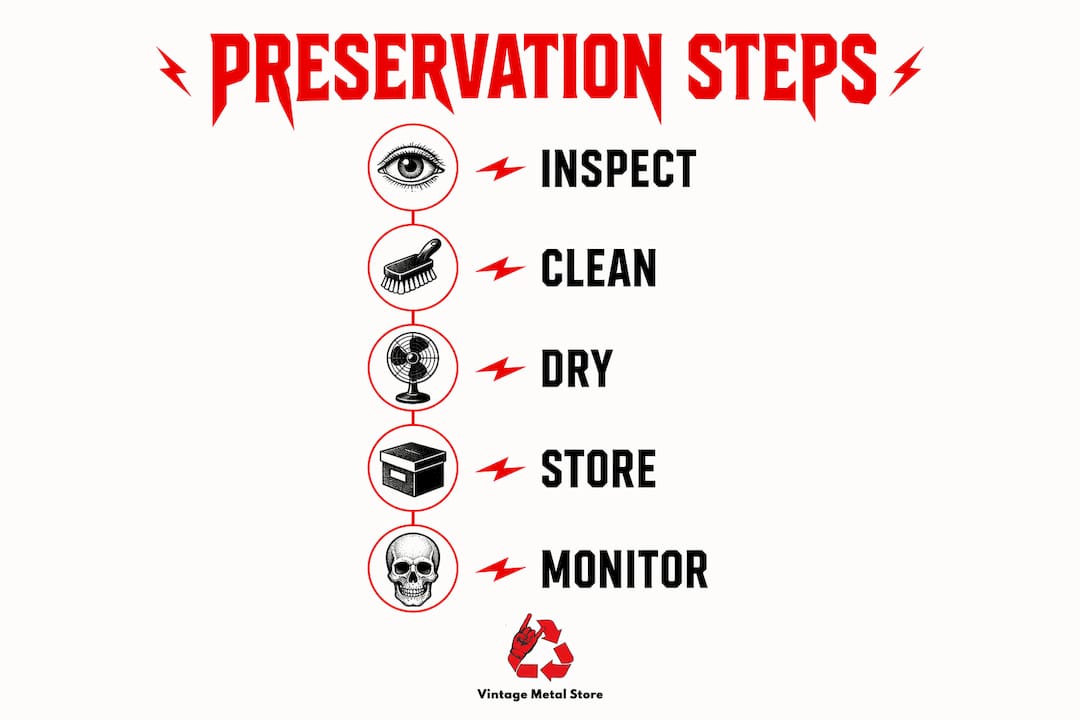
How should you clean tour shirts before storage?
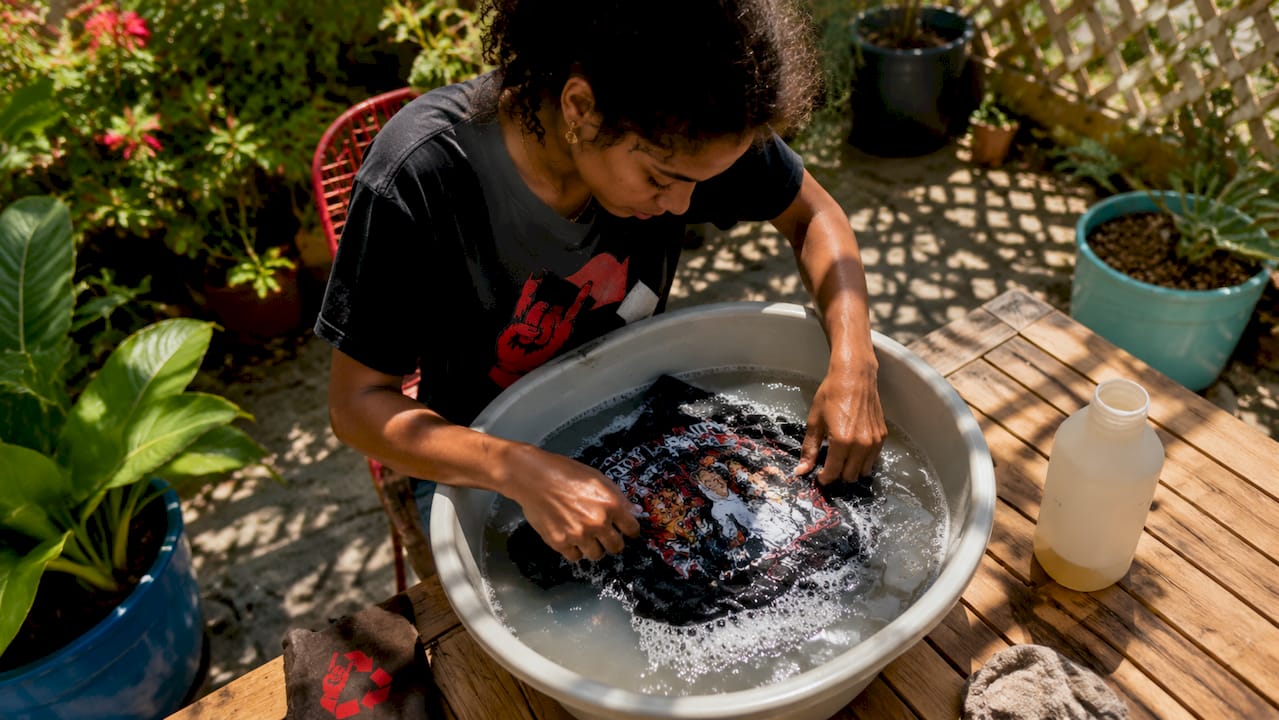
Washing before storage is not optional. Even apparently clean shirts carry residual body oils and sweat that cause fibre degradation and ink oxidation over time. A shirt that looks fine today can yellow and stiffen within five years if stored without cleaning.
Follow this sequence every time:
- Turn the shirt inside out. This protects the print from direct friction and abrasion during washing.
- Wash in cold water at 30°C or below. Heat and friction are the two primary causes of screen print degradation. Cold water eliminates one of them entirely.
- Use a pH-neutral, mild detergent. Products like Woolite or Eucalan are formulated for delicate fabrics. Avoid anything with bleach, enzymes, or optical brighteners.
- Skip fabric softener. Softeners coat fibres with a chemical film that traps moisture and accelerates ink breakdown over time.
- Air dry flat, away from sunlight. Drying flat prevents distortion of the print and neckline. Never use a tumble dryer on a vintage shirt you care about.
Properly cured screen prints survive 50+ wash cycles without degradation when washed correctly. That figure drops sharply with heat and agitation. For shirts you consider high-value, hand washing in a clean basin takes less than ten minutes and removes all risk of machine-related damage.
Pro Tip: Set up a dedicated laundry station for your vintage shirts. A clean plastic basin, a bottle of Eucalan, and a flat drying rack cost under $30 and protect shirts worth hundreds. Check out the graphic apparel care guide for additional print-specific washing tips.
What storage materials and techniques preserve tour shirts long term?
The materials you store shirts in matter as much as the environment around them. Most collectors make the mistake of reaching for plastic bins or cardboard boxes because they are cheap and available. Both cause long-term damage.
Archival boxes vs. common alternatives
| Material | Cost | Lifespan | Risk Level |
|---|---|---|---|
| Acid-free archival box with unbuffered tissue | $25–$45 | 25+ years | Very low |
| Plastic storage bin | $15–$30 | 3–5 years | High (moisture, off-gassing) |
| Standard cardboard box | $5–$15 | 2–4 years | High (acid migration) |
| Cedar chest | Variable | Degrades shirts | Avoid entirely |
Acid-free archival boxes cost more upfront but last over 25 years, making them more cost-effective than plastic bins replaced every few years. The chemistry matters here. Buffered tissue paper contains calcium carbonate, which reacts with acidic dyes in vintage inks and causes haloing and fabric embrittlement. Always use unbuffered archival tissue paper.
Cedar chests are a common collector mistake. Cedar emits acidic terpenes that cause yellowing and fibre degradation over time. Airtight plastic bags and vacuum sealing trap moisture and off-gas harmful compounds. Neither belongs in a serious preservation setup.
Here is what a correct storage setup looks like:
- Fold each shirt with unbuffered tissue paper between the layers to cushion creases
- Fold away from the printed area wherever possible to avoid crease lines across the graphic
- Never hang vintage shirts. Hanging causes stretching of necklines and shoulders and creates stress fractures in screen-printed areas over time
- Place archival boxes on metal shelving, off concrete floors, and away from external walls
- Use compartmentalised boxes or shadow boxes to separate individual shirts and prevent friction between pieces
For your most valuable pieces, consider labelling each box with the band, tour year, and condition notes. This makes annual inspections faster and keeps your collection properly catalogued.
What are the best practices for displaying vintage tour shirts safely?
Display is where preservation and passion collide. You want to show off a 1992 Metallica “Don’t Tread on Me” tour shirt, but every hour it hangs in the wrong conditions shortens its life. The good news is that safe display is achievable with the right materials.
- Use UV-filtering glass in frames. UV-filtering glass and mounting spacers prevent fabric contact with the frame surface and block the radiation that fades both ink and cotton. Standard glass offers no UV protection at all.
- Mount with acid-free backing boards. The board behind the shirt should be archival grade, not standard foam core or cardboard, which off-gas acids onto the fabric.
- Keep spacers between the glass and the shirt. Direct contact between glass and fabric traps moisture and causes localised mildew and staining.
- Avoid display locations near windows, vents, or bathrooms. Humidity and temperature fluctuations in these spots accelerate deterioration faster than almost anything else.
- Rotate displayed shirts every six to twelve months. No shirt should stay on permanent display. Rotation reduces cumulative light exposure and gives each piece time in controlled storage.
- Use breathable garment bags for short-term display or transport. These allow air circulation while protecting against dust and handling damage.
Pro Tip: Place a small digital hygrometer inside any enclosed display case. If humidity climbs above 50% inside the case, add a silica gel pack to absorb the excess moisture. Replace silica packs every three to six months.
How do you maintain and inspect your tour shirt collection over time?
A preservation workflow is not a one-time event. Annual inspection cycles are the difference between catching early deterioration and discovering irreversible damage years later.
Run through this inspection process once a year:
- Check for moisture and odour. A musty smell signals mildew growth. Remove the affected shirt immediately, air it in a controlled environment, and address the humidity source before returning it to storage.
- Look for colour changes and yellowing. Yellowing in white or light-coloured areas indicates acid migration from storage materials or oxidation from residual oils.
- Test fabric flexibility. Stiffness or brittleness in the fabric means fibre degradation is underway. This is often caused by improper storage conditions or chemical contamination.
- Inspect prints for cracking or flaking. Minor ink cracking can be stabilised by keeping the shirt flat and avoiding further flexing. Significant flaking requires specialist textile conservation advice.
- Refold with fresh tissue paper. Replace the unbuffered tissue paper each year to prevent permanent crease lines from forming along the same fold points.
Keep a condition log for high-value shirts. Note the date, any changes observed, and the storage conditions at the time. This record becomes part of the shirt’s provenance and adds to its value if you ever sell or donate it.
Pro Tip: Always wear clean cotton gloves when handling vintage shirts during inspection. Skin oils transfer to fabric instantly and cause localised oxidation over time. A pair of cotton inspection gloves costs under $10 and protects shirts worth far more.
For a deeper look at long-term storage methods specific to metal shirts, the Vintage Metal Store blog covers archival techniques tailored to the unique challenges of tour merchandise.
Key takeaways
A complete tour shirt preservation workflow combines controlled environment storage, archival materials, correct washing technique, and annual inspection to protect vintage metal shirts for decades.
| Point | Details |
|---|---|
| Control the environment first | Store shirts at 15°C–18°C and below 45% humidity to slow oxidation and ink fading. |
| Wash before storing | Remove invisible oils and sweat with cold water and a pH-neutral detergent before long-term storage. |
| Use archival materials only | Acid-free boxes with unbuffered tissue paper outperform plastic bins and cardboard over 25+ years. |
| Display with UV-filtering glass | Mounting spacers and UV glass prevent fabric contact, moisture buildup, and light damage. |
| Inspect and refold annually | Replace tissue paper yearly and log condition changes to catch deterioration early. |
What i’ve learned after years of handling vintage metal shirts
The collectors who lose the most value are the ones who think preservation starts the moment a shirt goes into a box. It starts the moment you acquire it.
I’ve handled shirts from the 1980s Black Sabbath and Iron Maiden tours that looked pristine on the outside but were already brittle at the seams from years in a cedar chest. You cannot see that damage until you unfold the shirt and hear it. That sound is gutting.
The prints most at risk are the thin, single-colour designs from early 1980s tours. The ink layers are minimal, and any heat or friction during washing removes them permanently. Thick, multi-colour plastisol prints from the 1990s are more forgiving, but they crack badly if stored folded without tissue paper cushioning the graphic.
What I tell every new collector is this: the care you give your shirts before they go into storage is worth more than any box you buy. A shirt stored dirty in an archival box still degrades. A shirt stored clean in a well-controlled space in a standard box does better than most people expect.
Invest the time. These shirts are not just fabric. They are physical records of nights that cannot be recreated.
— David
Wear the legacy. protect it too.
At Vintage Metal Store, we source authentic ex-tour stock and deadstock heavy metal shirts that deserve serious preservation care. If you are building a collection worth protecting, start with pieces worth having.

The rare Metallica 1992 “Don’t Tread on Me” USA tour shirt is exactly the kind of piece that rewards a proper preservation workflow. It is original tour stock, not a reprint, and it will only get rarer. Browse the full Vintage Metallica shirts collection to find your next piece of metal history. Every shirt we sell comes with the provenance and authenticity that serious collectors demand.
Shop Now at Vintage Metal Store.
FAQ
What temperature should i store vintage tour shirts at?
Store vintage tour shirts between 15°C and 18°C with humidity below 45%. These conditions slow oxidation and prevent ink fading for 25 years or more.
Can i use plastic bins for long-term tour merchandise storage?
Plastic bins trap moisture and off-gas harmful compounds that degrade fabric and ink over time. Acid-free archival boxes with unbuffered tissue paper are the correct choice for long-term storage.
How often should i wash vintage shirts before storing them?
Wash each shirt once before placing it in long-term storage, even if it looks clean. Residual body oils and sweat cause fibre degradation and ink oxidation that becomes visible years later.
Is hanging a vintage tour shirt for display safe?
Hanging causes irreversible stretching of necklines and shoulders and creates stress fractures in screen-printed areas. Use UV-filtering glass frames with acid-free backing boards for safe display instead.
How do i know if my storage conditions are damaging my shirts?
During your annual inspection, check for musty odours, yellowing, fabric stiffness, and ink cracking. A digital hygrometer in your storage space will alert you to dangerous humidity spikes before visible damage occurs.
Recommended
- Preserve your vintage metal shirts with proper care – Vintage Metal Store
- Step by step: restoring heavy metal shirts right – Vintage Metal Store
- Heavy metal t shirt maintenance tips for vintage collectors – Vintage Metal Store
- How to Store Vintage Metal T Shirts for Lasting Quality – Vintage Metal Store


