



Not all vintage heavy metal shirts are created equal. Many collectors assume any old band tee holds value, but the truth is far more nuanced. The designs, materials, and cultural context evolved dramatically from the 1970s through today. Understanding this evolution helps you distinguish authentic vintage pieces from modern reproductions and appreciate their true cultural significance. This guide reveals how heavy metal fashion transformed alongside the music itself.
Table of Contents
- Historical Origins And Early Designs
- 1980s Evolution: Thrash And Hair Metal Styles
- Materials And Manufacturing Methods
- 1990s And Vintage Black Metal Shirts
- Collector’s Guide To Authenticity
- Common Misconceptions About Heavy Metal Shirts
- Explore Authentic Vintage Heavy Metal Shirts
- Frequently Asked Questions
Key Takeaways
| Point | Details |
|---|---|
| Origins | Heavy metal shirts emerged in the 1970s as fan identity symbols with bands like Black Sabbath pioneering simple screen-printed designs. |
| Subgenre Styles | The 1980s brought distinct aesthetics with thrash metal favoring denim battle jackets while hair metal embraced flashy leather and spandex. |
| Manufacturing Evolution | Cotton and screen-printing dominated historically, but printing methods evolved to digital and heat transfers, aiding authenticity verification. |
| Black Metal Significance | 1990s vintage black metal shirts became cult collectibles with raw aesthetics influencing modern streetwear trends. |
| Market Growth | The resale market for vintage band apparel is projected to reach $3.2 billion by 2026, making authentication skills essential. |
Historical Origins and Early Designs
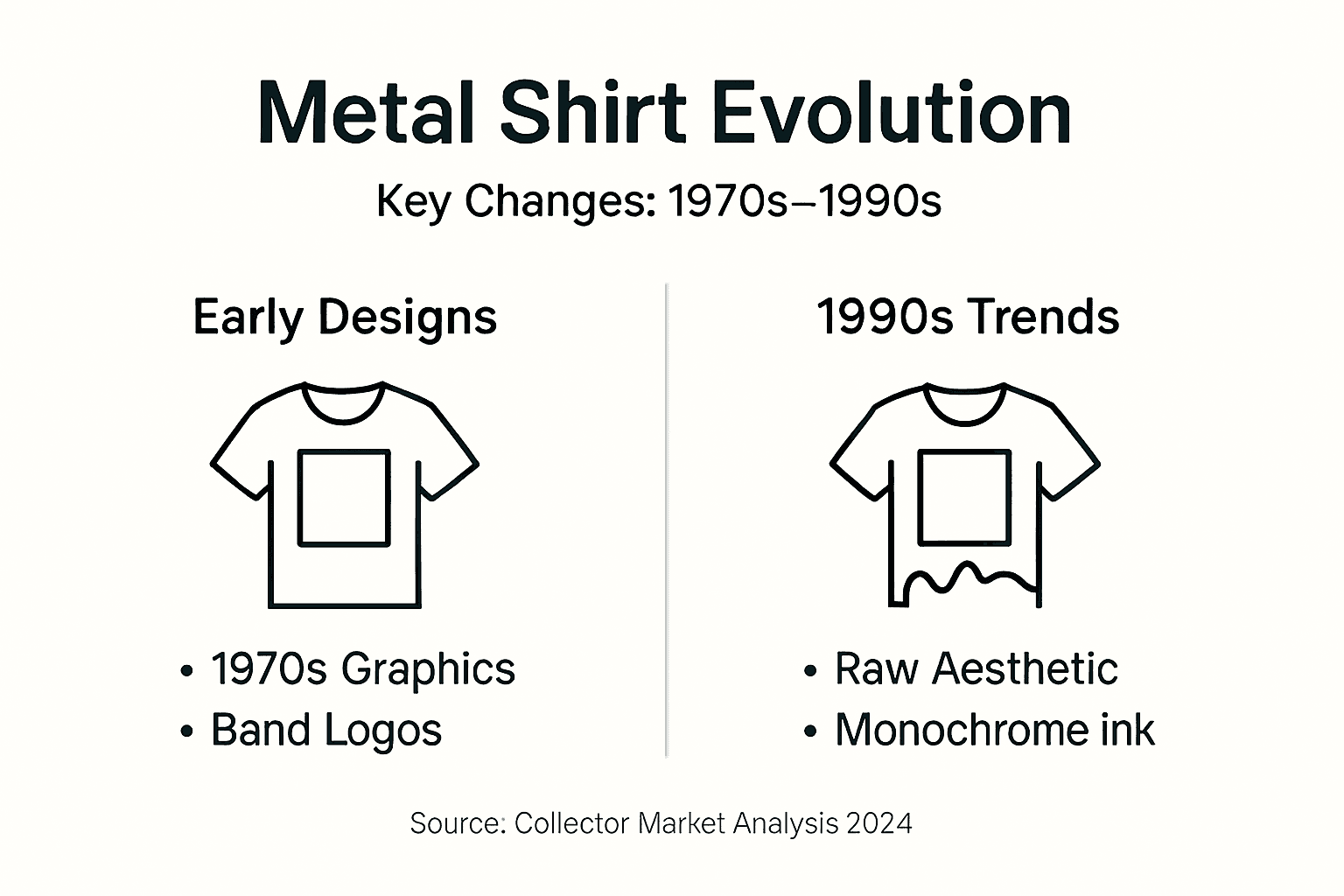
Heavy metal band t-shirts began in the early 1970s, tied closely to the rise of bands like Black Sabbath and Led Zeppelin. These shirts served dual purposes as merchandise and core identity symbols for fans. The earliest designs were remarkably simple compared to today’s elaborate graphics.
Cotton dominated as the fabric of choice. Screen-printed logos and band names created straightforward designs that fans wore as badges of allegiance. These shirts represented more than clothing. They signaled membership in a growing proto-metal community that rejected mainstream culture.
Key characteristics of early heavy metal shirts included:
- Simple screen-printed band logos on black or white cotton
- Basic typography with minimal graphic elements
- Standard t-shirt cuts without specialized tailoring
- Direct connection to specific albums or tours
These foundational designs established patterns that would evolve over the following decades. While basic, they created the template for unlocking vintage heavy metal shirt authenticity in modern collecting. The simplicity made them accessible to fans across economic backgrounds, cementing their role as democratic symbols of musical taste and cultural rebellion.
1980s Evolution: Thrash and Hair Metal Styles
The 1980s fractured heavy metal into distinct subgenres, each with unique fashion signatures. Thrash metal fans adopted a gritty aesthetic centered on durability and DIY customization. Hair metal followers embraced theatrical excess and performance-ready glamour. These divergent paths created the diverse vintage landscape collectors navigate today.
Fan-made customization, particularly on denim battle jackets with patches, became a critical form of identity expression. Thrash enthusiasts sewed patches representing Metallica, Slayer, and Megadeth onto worn denim. Each jacket told a story of concerts attended and bands discovered. Hair metal devotees preferred leather jackets, spandex pants, and shirts featuring bold graphics of Mötley Crüe or Poison.
| Style Element | Thrash Metal | Hair Metal |
|---|---|---|
| Primary Outerwear | Denim battle jackets with patches | Leather jackets and vests |
| Shirt Graphics | Raw, aggressive band logos | Colorful, elaborate tour designs |
| Additional Wear | Casual jeans and sneakers | Spandex, bandanas, accessories |
| Cultural Message | Anti-establishment rebellion | Glamorous excess and showmanship |
Battle jackets symbolized more than fashion choices. They represented community belonging and musical journey documentation. Fans traded patches at concerts and customized jackets over years, creating wearable autobiographies. The placement, wear patterns, and patch selection on these jackets now help collectors assess authenticity and historical value.
Distinctive design elements of 1980s shirts included:
- Back prints featuring elaborate tour dates and artwork
- Increasingly complex multi-color screen printing
- Band mascots and album art integration
- Regional variations based on tour stops
Pro Tip: Examine patch placement and fabric wear patterns on vintage battle jackets. Authentic pieces show consistent aging across all materials, while reproductions often feature artificially distressed patches on pristine denim.
These iconic heavy metal t-shirt types from the 1980s remain highly sought after. The era’s stylistic diversity created collecting categories that appeal to different enthusiast preferences, from thrash purists to glam aficionados.
Materials and Manufacturing Methods
Understanding historical materials and production techniques separates knowledgeable collectors from casual buyers. The primary materials used historically for heavy metal shirts were cotton with screen-printed graphics. Leather and denim jackets often supplemented shirts as outerwear, adding practical durability and style. These material choices reflected both economic realities and aesthetic preferences of metal subcultures.
Cotton dominated band tees for practical reasons. It absorbed sweat at concerts, withstood frequent washing, and provided an affordable canvas for graphics. Screen-printing technology allowed bands to produce merchandise economically while maintaining reasonable quality. The process used thick inks that sat atop fabric fibers rather than soaking through them.
Historical production methods included:
- Manual screen-printing with plastisol inks creating raised graphics
- Single-location prints initially, expanding to front and back designs
- Tag construction and label types specific to manufacturing eras
- Fabric weights typically heavier than modern ultra-soft alternatives
Modern reproduction techniques differ significantly. Digital printing and heat transfers create flatter graphics that lack the dimensional quality of vintage screen prints. Contemporary shirts often use thinner, softer cotton blends that feel different from original heavyweight fabrics. These distinctions matter when assessing keys to vintage t-shirt identification.
Original screen prints develop characteristic cracking over decades of wear and washing. The plastisol ink becomes brittle and fragments in predictable patterns. This cracking, combined with fabric thinning and collar stretching, creates an authenticity fingerprint difficult to replicate convincingly. Reproductions attempting artificial aging rarely match the organic deterioration of genuine vintage pieces.
Pro Tip: Run your fingers across vintage screen prints. Authentic examples feel slightly raised with soft, cracked ink texture. Modern digital prints sit flat against fabric with uniform smoothness that lacks dimensional character.
Leather and denim outerwear followed different production paths. Quality leather jackets required skilled craftsmanship and commanded higher prices, making them status symbols within metal communities. Denim jackets started as mass-produced items that fans personalized through patch application and strategic distressing.
1990s and Vintage Black Metal Shirts
The 1990s birthed a distinctly dark aesthetic that continues influencing fashion today. Vintage black metal shirts emerged as cult symbols, especially in Scandinavian scenes, reflecting raw aesthetic values. These shirts rejected the polished production and colorful graphics of mainstream metal, embracing minimalism and stark imagery instead.
Black metal designs featured characteristics that set them apart:
- Predominantly black shirts with white or single-color prints
- Illegible logos using corpse paint and gothic typography
- Raw, lo-fi graphic quality mirroring musical production values
- Anti-commercial aesthetic despite being commercial products
Bands like Mayhem, Darkthrone, and Emperor created visual identities as uncompromising as their music. The deliberately crude graphics and limited production runs made these shirts instant collectibles. Fans wore them as signals to other initiated listeners, creating an exclusive visual language within extreme metal subcultures.
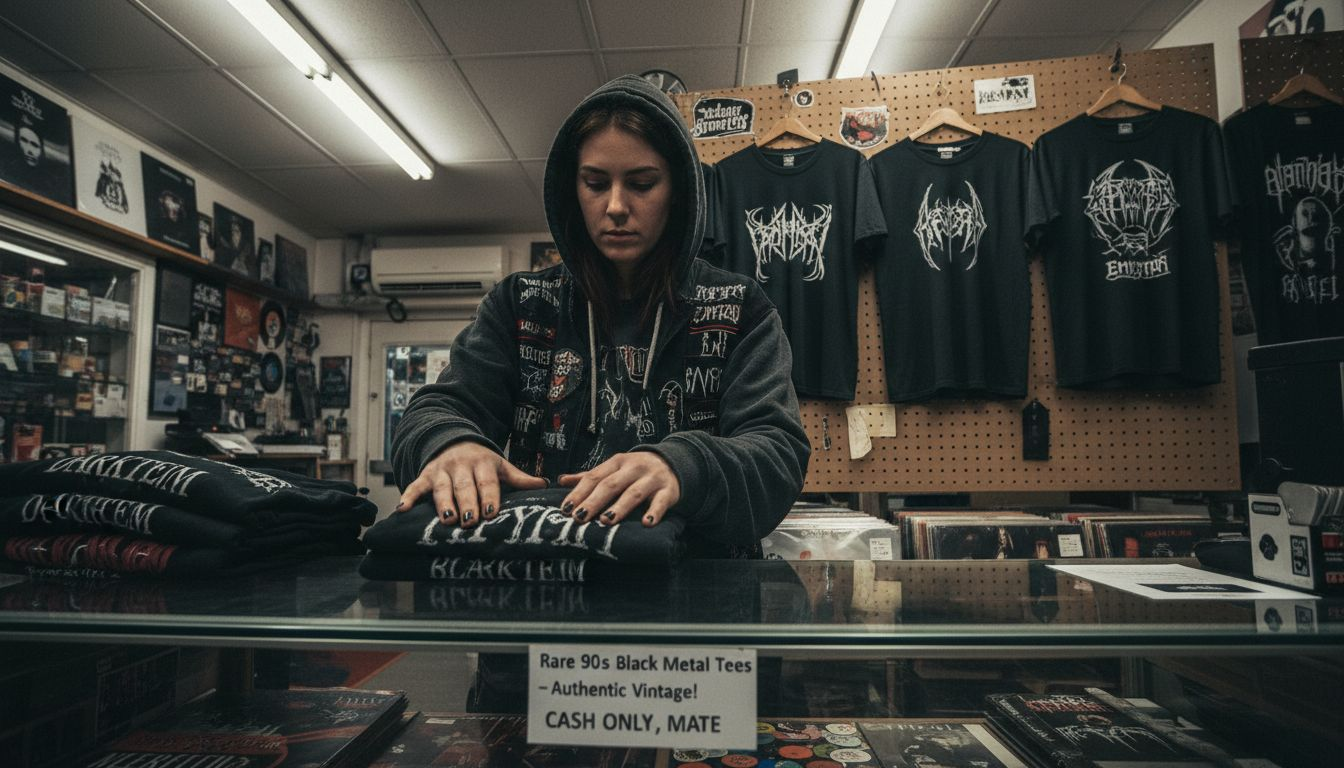
The Norwegian black metal scene particularly influenced this aesthetic. Geographic isolation and ideological intensity produced designs that felt genuinely underground. When these bands gained international recognition in the late 1990s, their shirt designs spread globally while maintaining cult status. This combination of limited original availability and growing demand drives current collector interest.
Authentic 1990s black metal shirts now command premium prices. The resale market for vintage band apparel reflects broader streetwear trends, with high-fashion brands borrowing metal aesthetics. Collectors seeking rare vintage heavy metal concert shirts prize these pieces for historical significance and visual impact.
The influence extends beyond metal communities. Contemporary streetwear brands reference black metal typography and imagery, introducing these designs to audiences unfamiliar with the original musical context. This crossover appeal increases value while sometimes frustrating purist collectors who remember when these shirts signaled genuine subcultural membership.
Collector’s Guide to Authenticity
Authenticity assessment requires systematic evaluation across multiple factors. Reproductions flood the market, making verification skills essential for serious collectors. The projected $3.2 billion vintage apparel market by 2026 attracts counterfeiters alongside legitimate sellers, demanding vigilance from buyers.
Follow these steps when evaluating potential vintage heavy metal shirts:
- Examine tags and labels for era-appropriate construction and text
- Assess screen print quality, looking for raised ink and natural cracking
- Check fabric weight and texture against known period standards
- Inspect stitching patterns and seam construction methods
- Compare proportions and measurements to documented authentic examples
- Verify graphics against known tour dates and band histories
- Evaluate overall wear patterns for consistency with claimed age
Original tags provide crucial authentication clues. Single-stitch construction appeared on most shirts before the 1990s, while double-stitching became standard afterward. Tag materials, printing methods, and text content changed across decades. Studying keys to identifying vintage shirts helps collectors recognize these subtle indicators.
| Authentic Vintage Features | Modern Reproduction Traits |
|---|---|
| Thick plastisol screen prints with natural cracking | Flat digital prints or artificially distressed graphics |
| Single-stitch collar and sleeves (pre-1990s) | Double-stitch construction throughout |
| Period-appropriate tag construction and fading | Modern tags or no tags claiming vintage status |
| Consistent aging across all shirt components | Selective distressing on obvious areas only |
| Heavyweight cotton with natural thinning | Soft modern blends or artificially thinned fabric |
Wear patterns tell important stories. Genuine vintage shirts show fading concentrated in areas exposed to sunlight and friction. Collar bands stretch from repeated wearing. Armpits thin from sweat and movement. Reproductions often miss these subtle details, applying distressing randomly rather than matching actual use patterns.
Pro Tip: Beware of shirts with modern digital prints and suspiciously new-looking tags claiming vintage status. Authentic pieces show consistent aging across fabric, graphics, and labels without selective artificial distressing.
Provenance documentation adds confidence when available. Original purchase receipts, concert tickets, or photographs showing the shirt being worn provide verification beyond physical inspection. However, most vintage shirts lack such documentation, making physical assessment skills essential. Consulting a heavy metal shirts buying checklist before purchases helps avoid costly mistakes.
Common Misconceptions about Heavy Metal Shirts
Several persistent myths confuse collectors and inflate expectations. Understanding reality helps make informed decisions and appreciate genuine vintage pieces appropriately. The growing market attracts speculation and misinformation that obscures historical accuracy.
Common misconceptions include:
- All old band shirts automatically hold significant value regardless of condition or authenticity
- Leather biker fashion was universal across all heavy metal subgenres and eras
- Battle jackets were purely aesthetic choices rather than community identity symbols
- Modern reproductions match vintage quality when artificially aged
- Any shirt claiming to be vintage deserves premium pricing
Condition dramatically impacts value. A rare 1980s tour shirt in poor condition may worth less than a common design in excellent preservation. Collectors prize wearable pieces that maintain structural integrity alongside authentic aging. Holes, severe staining, and graphic deterioration reduce desirability except for historically significant items.
Leather fashion dominated biker and some traditional metal scenes but never achieved universal adoption. Thrash, death metal, and hardcore crossover fans preferred denim and casual wear. Regional and economic factors influenced fashion choices as much as musical preferences. Assuming all metalheads wore leather oversimplifies a diverse subculture with varied aesthetic expressions.
Battle jackets represented serious commitment and community belonging. Fans spent years accumulating patches and customizing jackets that documented musical journeys. These weren’t fashion statements but wearable autobiographies. Understanding this context helps collectors appreciate authentic pieces and recognize reproductions created purely for aesthetic effect.
Not all vintage claims withstand scrutiny. Sellers sometimes mislabel newer shirts or misidentify reproduction runs as original pressings. Cross-referencing claims against known tour dates, band histories, and manufacturing details separates authentic pieces from hopeful attributions. Resources like vintage heavy metal shirt misconceptions help collectors develop critical evaluation skills.
Understanding why vintage shirts collectible requires recognizing multiple value factors beyond age alone. Historical significance, condition, rarity, and cultural context all contribute. A common design from a legendary band may outvalue a rare shirt from an obscure act depending on collector demand and preservation quality.
Explore Authentic Vintage Heavy Metal Shirts
Now that you understand the evolution and authentication of vintage heavy metal shirts, you can make informed collecting decisions. Vintage Metal Store offers curated selections of genuine vintage pieces backed by expertise in authentication and historical context.
Our vintage Metallica shirts collection features authenticated pieces from various eras, showcasing the band’s design evolution. Browse all vintage heavy metal shirts to discover rare tour stock, dead stock, and secondhand pieces from metal history. We source ex-tour merchandise and authentic vintage items that meet strict quality standards.
Visit our blog to learn more about iconic heavy metal t-shirt types and deepen your collector knowledge. Whether you’re building a collection or seeking that perfect vintage piece, we provide the expertise and inventory to support your passion for authentic heavy metal fashion history.
Frequently Asked Questions
How can I spot a reproduction vintage metal shirt?
Examine screen print texture for raised, naturally cracked ink rather than flat digital printing. Check tags for era-appropriate construction and verify graphics against known tour dates. Consistent aging across all components indicates authenticity, while selective distressing suggests reproduction.
What makes black metal shirts unique in design?
Black metal shirts embrace raw, minimalistic aesthetics with illegible logos and predominantly monochrome color schemes. They reject polished production values, mirroring the music’s lo-fi intensity. Scandinavian bands pioneered this anti-commercial visual language that became cult collectibles.
Why did fan customization like battle jackets emerge?
Battle jackets allowed fans to document musical journeys and signal community belonging through patch collections. Each jacket told a personal story of concerts attended and bands discovered. This customization created wearable autobiographies that strengthened subcultural identity and connection.
Are all old band shirts valuable collectibles?
No, condition and authenticity determine value more than age alone. A common design in excellent preservation may outvalue a rare shirt in poor condition. Historical significance, band popularity, and provenance all influence collectibility beyond simple age calculations.
What printing methods were used historically?
Screen-printing with thick plastisol inks dominated from the 1970s through 1990s, creating raised graphics that developed characteristic cracking over time. Modern shirts use digital printing and heat transfers that produce flatter, more uniform results lacking vintage dimensional quality.
Recommended


