



TL;DR:
- Authentic vintage heavy metal tour shirts are highly collectible items that require careful evaluation of tags, screen printing, and aging signs to confirm their authenticity. Rarity, condition, and provenance significantly influence their value, with short-run and unworn shirts commanding the highest prices. Building a collection depends on sourcing from trusted specialized retailers, authentic online marketplaces, or in-person events while ensuring proper preservation to maintain the shirts’ value over time.
Vintage heavy metal tour shirts sit at the crossroads of music history and wearable art, and serious collectors know how hard it is to tell the real thing from a convincing fake. This collectible tour shirts guide cuts through the noise and gives you a practical framework for identifying authentic pieces, understanding what drives value, and knowing where to spend your money. Whether you’re chasing a specific tour or building a collection across decades, the gap between a savvy purchase and an expensive mistake often comes down to knowing exactly what to look for.
Table of Contents
- Key takeaways
- 1. Key criteria for evaluating collectible heavy metal tour shirts
- 2. Iconic heavy metal tour shirts worth knowing
- 3. Comparing vintage tour shirt types at a glance
- 4. Best places to buy tour shirts and how to avoid fakes
- 5. Care and preservation to protect your collection
- My honest take after years of collecting
- Find rare vintage metal shirts at Com
- FAQ
Key takeaways
| Point | Details |
|---|---|
| Authentication is non-negotiable | Tags, screen-print quality, and natural fabric ageing are the clearest indicators of a genuine vintage shirt. |
| Rarity drives value | Tour shirts produced in small batches with no reprints command the highest prices among serious collectors. |
| Condition grading matters | Even a genuine shirt in poor condition loses significant market value compared to one graded excellent. |
| Buy from trusted sources | Specialised vintage metal stores and reputable online sellers reduce the risk of purchasing replicas. |
| Preservation protects investment | Proper storage away from light, humidity, and harsh chemicals keeps collectible shirts in top condition for decades. |
1. Key criteria for evaluating collectible heavy metal tour shirts
Every serious collector needs a reliable checklist before they hand over money for a vintage piece. Authentication is the foundation of any collectible tour shirts guide worth reading, and the details matter more than most people realise.
Tags and labels are your first checkpoint. Authentic vintage shirts from the 1980s and 1990s carry manufacturer tags from companies like Fruit of the Loom, Hanes, or Anvil, all with era-specific fonts and label designs. A shirt claiming to be from 1989 with a tag style that only appeared in 2004 is a clear red flag. Collectors look for authentic manufacturer tags, subtle ink cracking, softened cotton, and tour dates on the back print to confirm genuine vintage provenance.
Screen printing characteristics tell you a lot about age. Vintage screen printing has a particular texture. The ink sits on top of the fabric rather than bonding into it the way modern Direct-to-Film (DTF) printing does. DTF printing produces high-definition, durable prints with no minimums, which makes it appealing for modern reproductions. Learning to feel the difference between old-school plastisol screen printing and a DTF replica is one of the most useful skills you can develop.
Natural ageing versus artificial distressing is where fakes often fall short. Genuine vintage fabric softens evenly and fades in areas that see the most wear: collars, cuffs, and underarms. Artificial distressing tends to look uniform or concentrated in places that seem photogenic rather than practical.
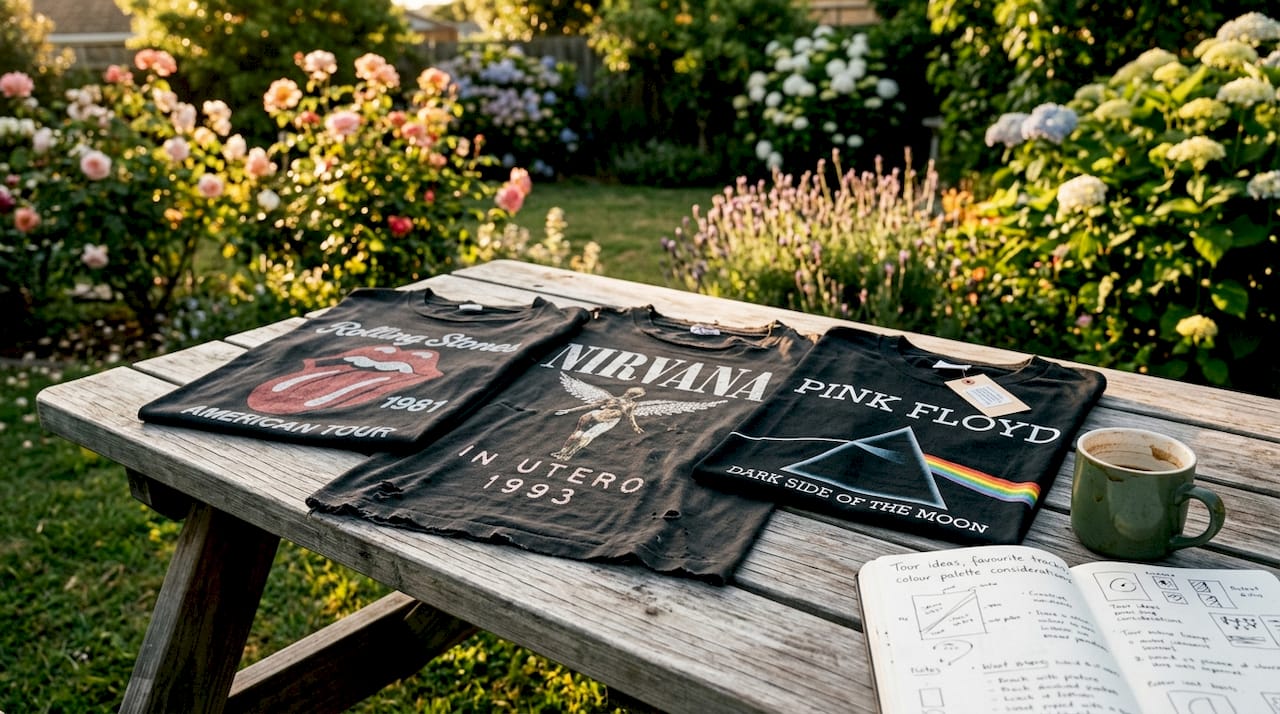
Tour-specific details add another layer of verification. Shirts from a specific tour should list the correct cities and dates on the back. Cross-referencing these against documented setlists or tour itineraries is straightforward and surprisingly effective.
Rarity tied to production runs is the final major factor. Tour merchandise was often a limited batch only available during the tour, not reprinted later, reducing supply over decades as shirts are lost or damaged. Shirts from shorter tours, regional legs, or cancelled dates are especially scarce.
Pro Tip: Check the stitching around the collar and sleeves. Vintage shirts from reputable manufacturers used chain-stitching in specific decades. A machine overlock stitch where chain-stitching should appear is a quick giveaway that something is off.
2. Iconic heavy metal tour shirts worth knowing
Some shirts have achieved near-legendary status in the collector community, not just because of the band, but because of the specific moment in history they represent.
The cultural significance of certain pieces goes well beyond the band name on the front. Here are standout examples:
- Metallica 1992 “Don’t Tread on Me” USA Tour shirt. This is one of the most sought-after pieces in the entire vintage metal market. The Black Album tour generated enormous merchandise output, but specific regional printings with the correct date blocks and original artwork colouring are genuinely rare. Prices for verified originals regularly exceed $400, with exceptional examples pushing significantly higher.
- Iron Maiden “World Piece Tour” 1983. Early Maiden shirts from the Number of the Beast era feature Derek Riggs artwork at its most iconic. Original 1983 tour shirts are extraordinarily hard to find in any wearable condition, making even worn examples valuable to serious collectors.
- Slayer “Reign in Blood” 1987 tour shirts. The Reign in Blood album changed heavy metal, and the accompanying tour produced shirts that are now deeply scarce. Authentic examples carry specific graphic elements tied to the original artwork that reproductions consistently get wrong.
- Pantera “Vulgar Display of Power” 1992 tour shirts. The early 1990s Pantera pieces are climbing sharply in value as the band’s legacy continues to grow. Original shirts from this tour are distinguishable by their specific ink colours and the tour’s actual date listings.
90s band tees regularly sell for hundreds to thousands of dollars because they combined scarcity, cultural identity, and were produced only during tours without reprints. Signed examples take the value even further. Hand-signed merchandise in the broader collectibles market has reached valuations up to $3,500, and a signed Metallica or Pantera shirt with solid provenance could realistically approach or exceed that figure.
3. Comparing vintage tour shirt types at a glance
Understanding how different eras and production methods affect value is central to how to value tour shirts properly. This table gives you a quick reference across the key variables.
| Era | Manufacturing method | Tag style | Condition impact | Typical price range |
|---|---|---|---|---|
| 1980s | Screen printing, heavyweight cotton | Single-stitch, Hanes or Fruit of the Loom vintage fonts | Enormous. Pristine examples are rare and command premiums. | $200 to $800+ |
| Early 1990s | Screen printing, medium-weight cotton | Transitional tags, shift toward newer font styles | High. Excellent condition pushes prices well above average. | $150 to $600 |
| Late 1990s | Screen printing with growing DTF experimentation | Modern tag styles begin to appear | Moderate. More shirts survived this era in good shape. | $80 to $300 |
| 2000s | Mixed methods, lighter fabrics | Fully modern tags, printed labels common | Lower relative impact. Supply is higher. | $40 to $150 |
| Tour stock and deadstock | Any era, unworn or minimally worn | Original tags intact | Maximum value. Unworn tour stock is the holy grail. | Premium above all grades |
Tour-specific print details, including city lists and correct graphic colouring, affect every row of this table. A shirt from the 1990s in excellent condition but missing its back print legibility will still underperform against a worn example with fully intact artwork. The real value of tour stock shirts comes precisely from this combination of era, condition, and specificity.
4. Best places to buy tour shirts and how to avoid fakes
Knowing where to find authentic pieces is just as critical as knowing how to evaluate them. The best places to buy tour shirts depend on your budget, patience, and willingness to do your own due diligence.
- Specialised vintage metal retailers. Stores that focus exclusively on heavy metal apparel are your safest starting point. They have the expertise to authenticate pieces before they list them and usually back their stock with provenance information. Com is one of the few sources offering genuine ex-tour stock and deadstock from heavy metal tours.
- Reputable online marketplaces with seller histories. Platforms that allow buyer feedback and dispute resolution offer some protection. Look for sellers with long track records, detailed photographs of tags, prints, and fabric texture, and honest grading descriptions.
- Record fairs and metal conventions. Physical events let you handle shirts before buying. This is invaluable. You can assess fabric weight, print texture, and ageing in person, which eliminates most fakes immediately.
- Estate sales and private collections. Some of the best finds come from people who attended the tours themselves and kept the shirts in storage for decades. These pieces often come with personal provenance, which adds both authentication weight and market value.
- Auctions with specialist cataloguing. Music memorabilia auctions sometimes include authenticated tour shirts with documented provenance. Prices can be higher, but the authentication work has usually been done for you.
When buying online, always request close-up photographs of the tag, the print on both sides, and the collar and cuff stitching. Cross-reference any tour dates listed on the shirt against documented tour histories before committing.
Merch conversion rates for headlining acts typically sit between 10% and 25% of the attending audience. For a 10,000-person show, that might mean 1,000 to 2,500 shirts sold on the night. Across an entire tour, the numbers are bigger but still finite. And because merch pricing strategies are designed to avoid overstock, tours rarely produced more than they could sell. That built-in scarcity is part of why originals are so hard to find decades later.
Pro Tip: Ask sellers specifically whether a shirt is ex-tour stock or deadstock. Ex-tour stock means it was unsold merchandise returned after the tour. Deadstock means it was never sold at all and is often in pristine condition. These distinctions carry real price differences and can be verified through tag condition and fabric freshness.
5. Care and preservation to protect your collection
A genuine shirt in poor condition is worth a fraction of the same shirt in excellent condition. Preservation is an underrated part of any serious tour shirt collecting tips framework.
- Wash as rarely as possible. When you must clean a vintage shirt, hand wash in cold water with a gentle, pH-neutral detergent. Machine washing, even on delicate cycles, accelerates print cracking and fabric breakdown.
- Store flat rather than on hangers. Hanging stretches collar fibres and shoulder seams over time. Proper storage of vintage shirts involves folding them acid-free and keeping them in archival-quality bags or boxes.
- Control temperature and humidity. Fluctuating humidity causes fabric to expand and contract repeatedly, which damages both the cotton and screen-printed inks. A consistent environment around 18 to 21 degrees Celsius with 45 to 55 percent relative humidity is ideal.
- Keep away from direct sunlight. UV light fades prints and weakens cotton fibres. Even indirect light over long periods causes measurable colour shift.
- Consider professional conservation for high-value pieces. If you own a shirt worth $500 or more, a textile conservator can assess its condition and advise on stabilisation techniques that a collector working alone would not think to use.
My honest take after years of collecting
I’ve bought some genuinely great shirts and made some genuinely expensive mistakes. Here’s what I’ve learned that most guides won’t tell you.
The emotional pull of a specific band or tour is real, and it clouds judgement. I’ve seen collectors pay well above market rate for shirts tied to formative personal memories, and I’ve done exactly the same thing myself. The market doesn’t care about your nostalgia. Knowing the difference between what a shirt means to you and what it’s worth to everyone else is the most important discipline you can develop.
The other thing that surprised me: artists can earn more from merch than performance fees, which means tours were designed to move shirts aggressively. The shirts that ended up as deadstock often did so because they were the wrong sizes, were printed for cancelled dates, or were held back from regional shows. That context makes deadstock pieces genuinely interesting. They’re not leftover because nobody wanted them. They’re leftover because circumstances intervened.
I’d also push back on the idea that condition is everything. A well-worn shirt with verified provenance from a significant show often tells a more compelling story than a pristine deadstock piece from a secondary run. Authenticity and story matter more than grade to the most sophisticated collectors I’ve met.
— David
Find rare vintage metal shirts at Com
If you’re serious about building a collection with genuine pieces, the sourcing matters as much as the knowledge. Com specialises in authentic vintage heavy metal tour shirts, ex-tour stock, and deadstock from real tours and bands. Every piece comes with the kind of provenance information that serious collectors actually need.
The Metallica 1992 “Don’t Tread on Me” tour shirt is one of the standout pieces currently available. For those building a broader Metallica collection, the full range of vintage Metallica shirts spans multiple tours and decades. If you’re browsing across bands, the rare heavy metal concert shirts collection is the best place to start.
FAQ
How do I spot a genuine vintage tour shirt?
Look for era-correct manufacturer tags, screen-printed graphics with natural ink cracking, and softened cotton fabric. Cross-reference any tour dates on the shirt against documented tour histories to confirm authenticity.
What makes a tour shirt more valuable?
Rarity, condition, and specificity. Shirts from short tours, cancelled legs, or with limited production runs command the highest prices. Signed examples and verified deadstock pieces sit at the top of the market.
How should I store a valuable vintage tour shirt?
Store it flat in an archival bag or box, away from direct light, in a stable environment between 18 and 21 degrees Celsius and 45 to 55 percent relative humidity. Avoid hanging, which stretches the fabric over time.
What is deadstock and why does it matter?
Deadstock refers to merchandise that was produced for a tour but never sold, leaving it in original, unworn condition. These pieces are among the most valuable in the collectible market because they retain their original print vibrancy and fabric quality.
Where is the best place to buy authentic vintage metal shirts?
Specialised vintage metal retailers with transparent provenance records are the safest option. Physical events like record fairs allow you to inspect shirts in person, while reputable online sellers with detailed photography and documented histories are the next best alternative.
Recommended
- Ex tour shirts: value and authenticity in metal collecting – Vintage Metal Store
- The real value of tour stock shirts for collectors – Vintage Metal Store
- Collecting tour shirts: their cultural value and impact – Vintage Metal Store
- Why Tour Dates on Shirts Matter for Metal Fans – Vintage Metal Store


