



TL;DR:
- Tour stock shirts are distinguished by event-specific details and authentic manufacturing methods.
- Identifying genuine shirts involves examining stitching, tags, print aging, and tour date accuracy.
- The value of vintage tour shirts is driven by provenance, cultural significance, and storytelling, not just condition.
There’s a widespread myth in vintage heavy metal collecting that the most valuable shirt is always the one that’s never been worn. Pristine. Folded. Untouched. But spend enough time in this world and you’ll quickly realise that some of the most coveted pieces in any serious collection are battered, faded, and deeply lived in. Tour stock shirts, those shirts produced specifically for a band’s tour and sold or used during the run itself, occupy a fascinating and often misunderstood place in the collector hierarchy. This guide breaks down what makes them genuinely special, how to spot the real ones, and how to build a collection that means something.
Table of Contents
- What makes tour stock shirts unique in metal collectibles
- How to identify authentic tour stock shirts
- Tour stock shirts in the vintage value hierarchy
- Building a meaningful collection: practical tips for collectors
- Why the stories behind tour stock shirts matter more than perfection
- Explore rare and authentic vintage tour shirts
- Frequently asked questions
Key Takeaways
| Point | Details |
|---|---|
| Tour shirts hold history | Tour stock shirts capture the story and culture of iconic metal tours, making them uniquely desirable for collectors. |
| Authenticity over perfection | Many collectors prize worn, story-rich shirts as much as or more than flawless deadstock. |
| Spotting fakes is essential | Examining stitching, tags, and tour details helps differentiate authentic shirts from reissues or counterfeits. |
| Bootlegs can have value | Period bootlegs representing underground scenes have earned newfound respect and collectability. |
| Build with purpose | Curate your collection based on personal stories, authenticity, and a diversity of bands and eras. |
What makes tour stock shirts unique in metal collectibles
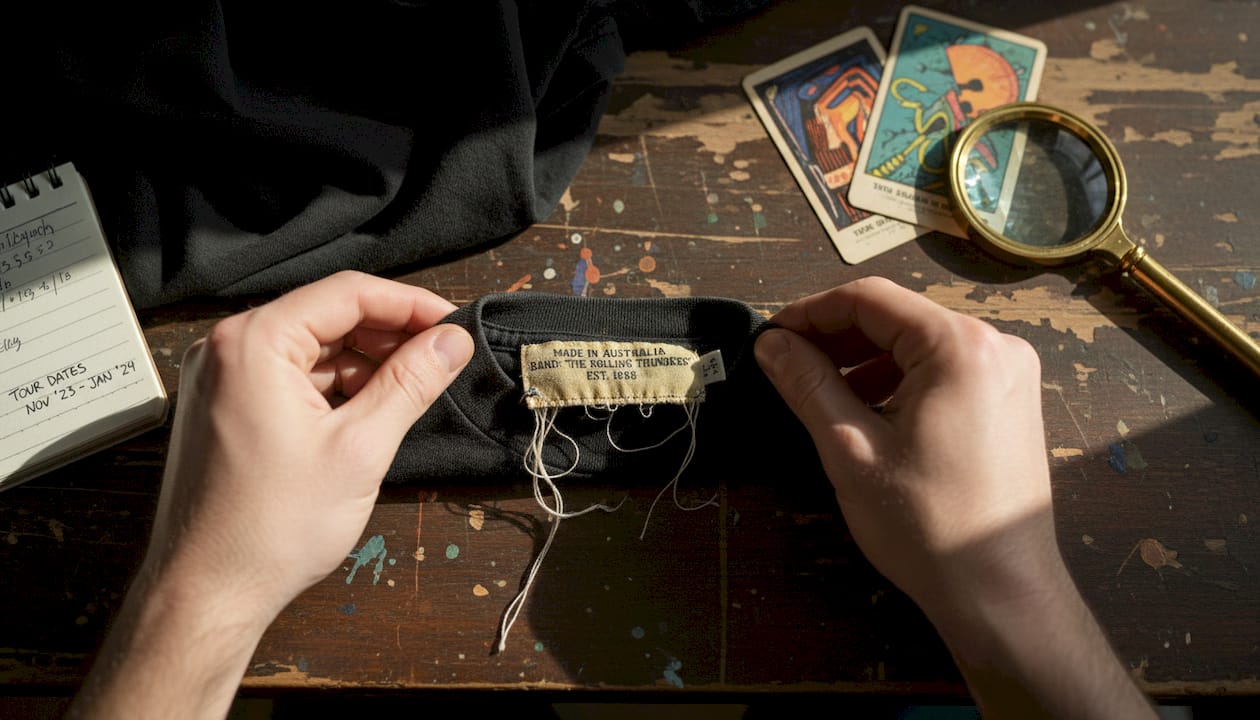
Not all vintage band shirts are created equal, and tour stock shirts sit in their own distinct category. To understand why, you need to know exactly what they are. A tour stock shirt is a shirt that was produced for a specific tour, sold at merch tables during that tour, and often features details that tie it directly to that run of shows. Think dates on the back listing every city, venue names, regional artwork, or tour-specific slogans that were never reproduced on retail releases.
This is what separates them from other categories collectors encounter. Why vintage shirts matter goes beyond just age. It’s about cultural specificity. A shirt from a 1993 Pantera tour with Texas dates on the back isn’t just a piece of fabric. It’s a document of a moment in time that can never be recreated.
Key characteristics that set genuine tour stock shirts apart include:
- Single-stitch construction along the collar and sleeves, standard in shirts made before the mid-1990s
- Event-specific screen prints, often with city and venue listings on the reverse
- Period-correct tags from brands like Hanes Beefy-T, Fruit of the Loom, or Anvil with correct label fonts and styles for the era
- Natural wear patterns consistent with concert environments: pit fading, sleeve cuff wear, collar stretching
- Ink oxidation and crackling on the print surface, a physical marker of genuine age
- Limited production runs, since tour merch was often ordered in batches per city or show
Deadstock shirts, which are original unsold shirts from the same era that were never worn, exist as a separate category. They carry their own appeal because of their pristine condition, but they lack the lived dimension that tour stock pieces carry. Reissues and modern reprints, even officially licenced ones, will never replicate the construction methods or materials of the original run.
Then there are period bootlegs. These are shirts made by unofficial vendors during the actual tour era, often sold outside venues. They’re controversial among purists but increasingly recognised as artefacts in their own right. As one perspective from research into vintage Motörhead shirts notes, collector views differ widely: some collectors prefer worn shirts for their “lived-in” authenticity and stories, while others chase pristine deadstock. Originals are prized for their history but criticised for fragility, and bootlegs that purists once dismissed are now collected for their cultural nuance.
“A shirt that was there is worth more to many collectors than a shirt that’s merely old.”
That distinction, being present at the moment versus simply surviving from the era, is the philosophical core of tour stock collecting.
How to identify authentic tour stock shirts
With a clear sense of what makes tour stock shirts special, it’s vital to master how to identify genuine pieces. The market is full of fakes, clever reprints, and modern bootlegs designed to pass as period originals. The good news is that with a systematic approach, you can dramatically reduce the risk of buying something that isn’t what it claims to be.
Follow these steps every time you examine a shirt:
- Check the stitching. Single-stitch hems at the collar and sleeves indicate pre-mid-1990s production. Double-stitching became standard after that period and is a red flag on shirts claimed to be from the early 90s or earlier.
- Examine the tag. Research the exact fonts, label colours, and text formatting for the brand tag claimed on the shirt. Hanes Beefy-T labels changed their typography multiple times through the 80s and 90s. Incorrect tag fonts are one of the most reliable tells.
- Assess the print. Authentic screen prints from the era show natural ink oxidation, a slightly raised surface that has cracked and softened over time. Reproductions often use modern water-based inks that sit differently on the fabric.
- Verify tour dates and cities. Cross-reference the dates listed on the shirt against actual tour records. Bands like Metallica and Slayer had well-documented touring schedules. A date listing a city the band never visited is an immediate disqualifier.
- Look at fade consistency. Natural fading from washing and wear is uneven and follows typical patterns: heavier fade around the collar, underarms, and print edges. Artificial ageing often looks uniform or concentrated in suspicious areas.
- Examine the fabric weight and feel. Older shirts used heavier cotton with a distinct texture. Modern reproductions, even when distressed, tend to feel thinner and more uniform.
Exploring resources like spotting genuine tour shirts can sharpen your eye before you spend serious money. You might also benefit from keeping a tour shirt checklist handy when shopping at markets, online auctions, or private sales.
Pro Tip: Never skip the tag check just because the print looks right. Counterfeiters increasingly get the print aged correctly but consistently fail on tag fonts, stitching gauge, and tour date accuracy. Authentic ink oxidation patterns take decades and specific environmental conditions to develop, and experienced collectors can feel the difference immediately.
| Feature | Tour stock | Deadstock | Reissue | Period bootleg |
|---|---|---|---|---|
| Stitching | Single-stitch | Single-stitch | Double-stitch | Often single-stitch |
| Wear | Natural, event-consistent | None | None | Varies |
| Tag | Period-correct | Period-correct | Modern or reproduced | Period-correct, unofficial |
| Aged, oxidised | Vivid, unfaded | Modern inks | Varies, often simpler | |
| Value | High, provenance-dependent | Very high | Low | Growing, era-dependent |
| Collector notes | Story and origin matter | Condition is primary | Display only | Underground cultural value |
Tour stock shirts in the vintage value hierarchy
Once you can identify tour stock shirts, understanding their place in the resale and collector world is key. Price and desirability are shaped by far more than age alone, and the 1990s metal era in particular has created a fascinating ecosystem of value.
Here’s how the categories generally sit in terms of market performance and collector demand:
| Category | Typical price range (AUD) | Scarcity | Collector demand | Main risk |
|---|---|---|---|---|
| Deadstock (original) | $400 to $1,500+ | Extremely high | Very high | Fragility, fading over time |
| Tour stock (documented) | $250 to $900 | High | High | Provenance verification |
| Period bootleg (90s) | $150 to $600 | High | Growing | Misidentification as fake |
| Official reissue | $60 to $150 | Low | Low to moderate | No investment potential |
These are general ranges, and specific shirts can exceed them dramatically. A documented 1992 Metallica “Black Album” tour shirt in strong condition regularly trades well above the upper end of those figures.
Several factors drive the value of a tour stock shirt beyond the baseline:
- Authenticity and clear provenance: Can you trace where this shirt has been? A shirt sold with a photo of the original owner wearing it at the concert is far more valuable.
- Band popularity and cultural moment: Shirts from career-defining tours carry more weight. Think Metallica’s first headlining stadium run or Pantera’s “Vulgar Display of Power” cycle.
- Wear pattern and story: Counterintuitively, well-worn shirts can fetch close to deadstock prices when the wear is consistent with genuine use and the story is compelling.
- Design exclusivity: Region-specific prints or shirts from support slots that didn’t make the main merch run are particularly scarce.
- Attached memories or documentation: Shirts with original purchase receipts, concert ticket stubs, or photographs from the era command a premium.
Understanding the difference between vintage and second hand shirts matters here. Not every old shirt is a collectable, and not every collectable needs to be perfect. The reason why tour dates on shirts matter so much is precisely because they anchor the shirt to a specific, unrepeatable cultural moment. That specificity is what drives genuine collector interest.
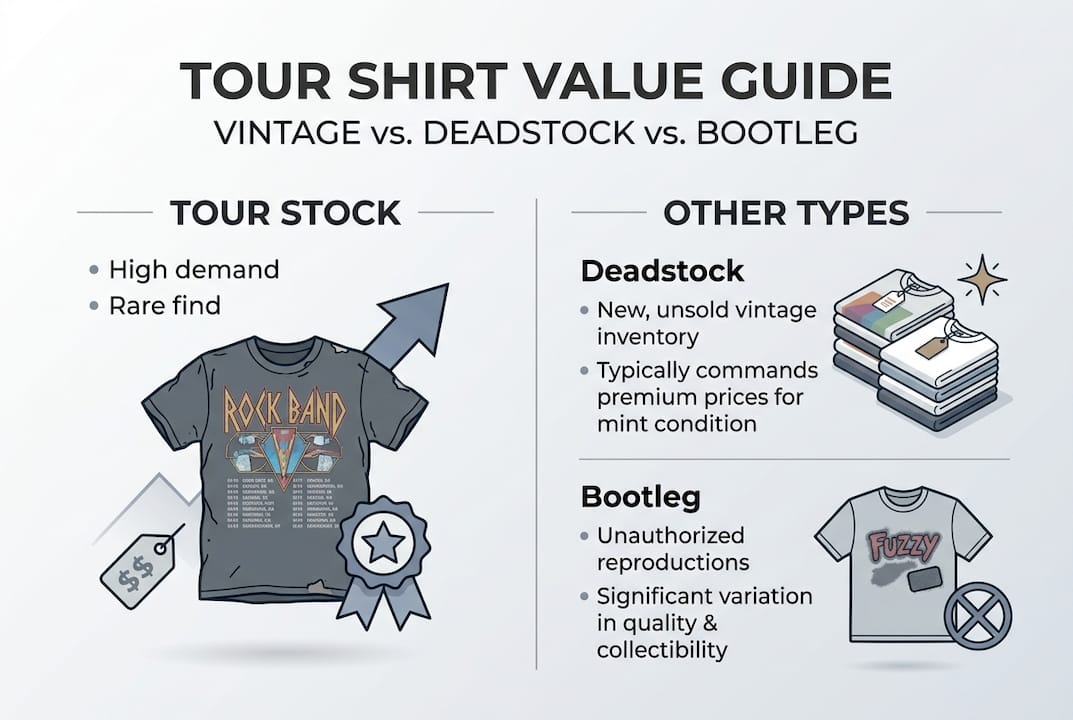
Period bootlegs from the 90s deserve particular mention. Once dismissed as worthless fakes, authentic 90s bootlegs now represent an important record of underground commerce and fan culture. A shirt made by a vendor outside a 1994 Sepultura show in São Paulo tells a very different story to an official tour shirt, but both stories are real, and both are becoming valued.
Building a meaningful collection: practical tips for collectors
Now, let’s turn to what really matters for you as a collector: putting this knowledge into practice. Knowing the theory is one thing. Building a collection that holds meaning and value requires consistent habits and a clear personal philosophy.
Start with these core strategies:
- Prioritise provenance over price. A slightly more expensive shirt with documentation beats a cheap shirt with no story, every time. Ask sellers where the shirt came from and push for specifics.
- Balance your collection across bands and eras. Concentrating entirely on one band leaves you exposed if that band’s collector market softens. Breadth creates resilience and keeps collecting exciting.
- Learn the touring history of your focus bands. The more you know about actual tour schedules, setlist regions, and merchandise production history, the harder it becomes to fool you.
- Build relationships with credible sellers. The vintage metal community is smaller than it looks. Trustworthy sources who know their stock are worth more than any bargain from a stranger.
- Think about condition on your own terms. The advantages of second hand shirts include real wear histories. Decide whether you’re collecting for display, investment, or personal connection, and let that shape what condition means to you.
- Stay across the ex-tour shirt market and how it shifts. What’s undervalued today, like 90s period bootlegs, can become the next major focus.
Pro Tip: Document every shirt you acquire. Write down where you bought it, what year, from whom, what price, and any story attached to it. This record does two things: it increases the shirt’s resale value by providing provenance, and it transforms your collection into something with genuine personal and historical weight. A notebook or simple spreadsheet is all you need.
When it comes to display and storage, keep shirts away from direct sunlight to slow fading. Acid-free tissue paper inside folded shirts protects the print. Framing is popular for hero pieces, but use UV-resistant glass. For buying band shirts online, always request additional photographs of tags and stitching before committing.
Authentic period bootlegs from the 90s underground are particularly worth watching. As their cultural significance becomes more widely recognised, supply will only tighten and prices will move accordingly. Getting ahead of that curve now is a genuine collecting opportunity.
Why the stories behind tour stock shirts matter more than perfection
Here’s a perspective worth sitting with: the obsession with mint condition in vintage collecting can actually work against building a collection that means anything. Pristine deadstock has its place, and we’d never argue otherwise. But the collector who chases only perfect shirts often ends up with beautiful objects that feel oddly hollow.
Tour stock shirts carry something that no amount of careful storage can replicate: proof of presence. A shirt with pit sweat faded into the collar, with a slight tear at the hem from a crowded barrier, with printing that’s crackled from years of washing after a thousand shows. That shirt was there.
The research into vintage collecting culture makes this point directly. Worn, thrashed shirts can be valued for story over deadstock perfection, and authentic period bootlegs reflecting underground culture can gain significant value over time precisely because of what they represent, not what they look like.
The most meaningful collections we’ve seen built are the ones where every piece has a story the collector can actually tell. Those collections create community. They start conversations. They carry the legacy of famous heavy metal tours in a way that a perfectly folded, unworn shirt simply cannot. Shift your collecting criteria from perfection to authenticity and meaning. That’s where the real grails live.
Explore rare and authentic vintage tour shirts
Ready to take the next step in your collecting journey? Authentic vintage finds are just a click away.
At VintageMetal.com.au, we curate genuine tour stock and deadstock shirts sourced directly from the era, including documented pieces from some of the biggest names in 90s metal. Whether you’re hunting for a specific tour or building your collection across multiple bands and eras, our range is selected with the same knowledge and scrutiny this article has laid out.
Take a look at a standout example: the Metallica 1992 tour tee, a genuine piece from one of the most iconic runs in metal history. Our full vintage Metallica shirts collection is a strong starting point, and you can explore all vintage band shirts to find pieces across every level of collector interest. Every shirt we carry comes with the context to back it up.
Frequently asked questions
What is a tour stock shirt in vintage metal collecting?
A tour stock shirt is a T-shirt sold or distributed during a band’s live tour, typically featuring event-specific details like city listings and dates, and constructed using methods authentic to the era. As collector research confirms, fakes often fail on the precise construction details that genuine tour stock always carries.
How do I know if a tour stock shirt is fake or a reprint?
Examine single-stitch construction, period-correct tag fonts, verified tour dates, and natural ink oxidation. As authentication experts note, fakes consistently fail on ink oxidation, tag fonts, and tour date accuracy even when the print appears convincing at first glance.
Why are some bootleg 90s shirts valuable now?
Authentic period bootlegs reflect real underground culture from the era and are now recognised as genuine historical artefacts by collectors who understand their context, making them increasingly sought after and valuable.
Does condition always determine a tour shirt’s value?
No. As collecting culture research shows, well-worn shirts with strong provenance and a compelling story can match or exceed the value of pristine deadstock for collectors who prioritise authenticity and lived history over condition alone.
Recommended


