



TL;DR:
- Vintage metal shirts from the 80s and 90s served as coded identity statements within the heavy metal subculture. Authentic shirts show period-specific tags, natural print wear, and subgenre-coded imagery, unlike reproductions. Collectors should carefully verify fabric, print, and provenance to ensure authenticity and avoid fakes.
Vintage metal tees are defined as original band merchandise produced during the 1980s and 1990s, worn as coded identity statements rather than simple clothing. Finding shirts that defined the heavy metal decade means reading the visual language stitched into every faded print, Gothic logo, and skull motif from that era. These shirts are not nostalgia props. They are primary documents of a subculture that used heavy metal fashion as a litmus test for belonging. Vintage Metal Store specialises in exactly this territory, sourcing ex-tour stock and deadstock from the bands and tours that built the genre.
What visual elements define heavy metal shirts from the 80s and 90s?
Heavy metal apparel from the 80s and 90s functioned as a coded visual language, with graphic design communicating subgenre identity and insider status. A thrash fan’s shirt looked nothing like a glam fan’s shirt. That difference was deliberate and deeply meaningful to the community wearing them.
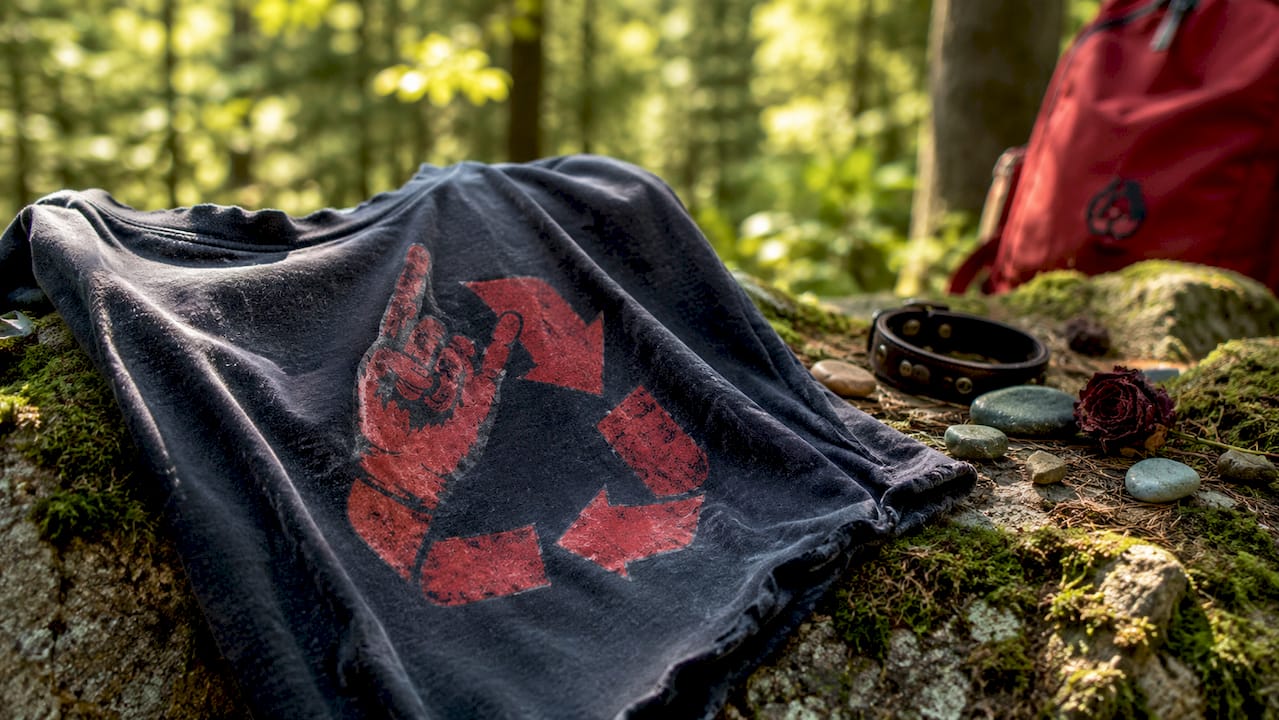
The typography alone tells you which corner of the genre a shirt came from. Medieval blackletter and Old English fonts dominated death and thrash metal. Glam and hair metal leaned toward neon, chrome, and angular lettering. Iconic mascots like Motörhead’s Snaggletooth became visual identity codes that fans recognised instantly, even from across a mosh pit.
Key design elements to look for on authentic shirts from the era include:
- Aggressive typography. Gothic, blackletter, and Old English fonts were standard for extreme metal subgenres.
- Band mascots and skulls. Recurring imagery like Motörhead’s Snaggletooth or Metallica’s impaled skull motifs signalled subgenre allegiance.
- Back print artwork. Full-back tour artwork was the norm on 80s and 90s tour shirts, often more elaborate than the front.
- Subgenre-specific colour palettes. Thrash and death metal favoured black with stark white or blood-red prints. Glam metal used brighter, more saturated colours.
- Raglan sleeves and thin fabric. Authentic 80s tour shirts often used thin 50/50 cotton-poly blends with raglan sleeves, a construction style largely abandoned by the mid-1990s.
Pro Tip: If a shirt’s font looks too clean or digitally precise, treat that as a red flag. Authentic 80s screen printing had slight imperfections and ink bleed that modern reproductions rarely replicate convincingly.
Where can you source authentic vintage heavy metal shirts?
Sourcing genuine vintage metal tees requires knowing where the real stock lives. The market has grown considerably, and with that growth has come a flood of reproductions. Knowing your sources is the first line of defence.
- Specialist vintage metal retailers. Stores like Vintage Metal Store focus exclusively on ex-tour stock and deadstock from actual band tours. This sourcing method produces shirts with verified provenance rather than generic vintage styling.
- Collector communities and forums. Online communities dedicated to vintage metal shirt collecting are invaluable for leads, price benchmarks, and seller reputation checks. Members often flag known counterfeit sellers quickly.
- Record store events and swap meets. Physical markets attached to record stores or metal events still surface genuine finds. Sellers at these events often have personal collections rather than commercial stock.
- Estate sales and opportunity shops. Unglamorous but effective. Original 80s and 90s shirts turn up in estate sales from fans who bought them at the time and never parted with them.
- Verified online listings with detailed photos. When buying online, demand multiple high-resolution photos of the tag, print, fabric texture, and any wear. A seller unwilling to provide these is a seller worth avoiding.
The trends in metal shirts have shifted toward higher prices and greater collector awareness. That means the window for finding undervalued pieces is narrowing. Acting with knowledge rather than impulse is the smartest approach in this market.
How do you authenticate a vintage heavy metal shirt?
Authentication is the skill that separates serious collectors from buyers who overpay for fakes. The process is methodical and starts before you even look at the print.
Examining the tag and fabric
Original 80s tour shirts were frequently made in the USA and carry tags from manufacturers like Screen Stars, Hanes Beefy-T, or Fruit of the Loom with period-specific label designs. A genuine 1983 Def Leppard Pyromania tour shirt, for example, uses a thin 50/50 cotton-poly blend with raglan sleeves and a faded print consistent with decades of wear. Modern reproductions typically use heavier, softer cotton and contemporary tag formats.
Reading the print
Authentic vintage prints show natural ink cracking and fading across the design, not just at the edges. Natural fading and print wear consistent with age are signs of genuine vintage condition, not damage. Reproductions often apply artificial distressing that looks uniform rather than organic.
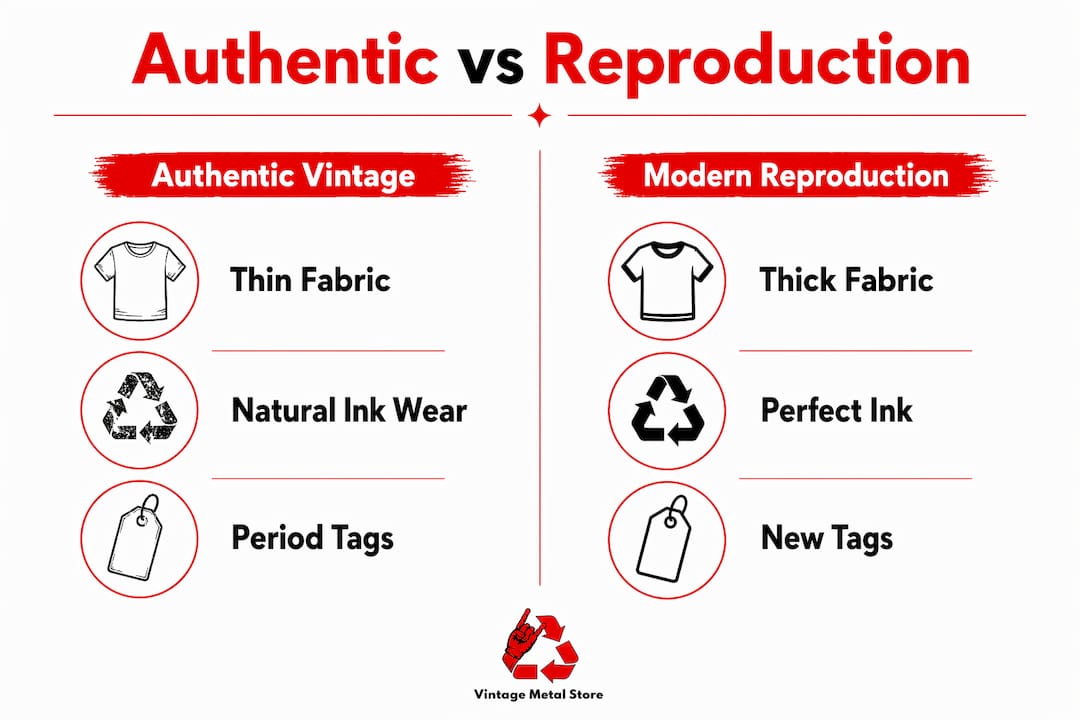
| Feature | Authentic vintage shirt | Modern reproduction |
|---|---|---|
| Fabric weight | Thin 50/50 cotton-poly blend | Heavier, softer 100% cotton |
| Tag style | Period-specific USA manufacturer tags | Generic or blank tags |
| Print condition | Natural cracking and uneven fading | Artificial distressing or crisp print |
| Stitching | Single needle, sometimes unravelling at seams | Double needle, uniform stitching |
| Sleeve construction | Raglan sleeves common on 80s tour shirts | Standard set-in sleeves |
Pro Tip: Hold the shirt up to light and look at the print from behind the fabric. Authentic screen prints from the 80s show ink saturation through the weave. Modern heat transfers and DTG prints sit on top of the fabric and show almost no penetration.
Assessing collectible value
Condition grades run from mint (unworn deadstock) through excellent, good, and distressed. Metallica’s Damage Inc Tour shirt featuring an impaled skull is a strong example of how specific designs command premiums regardless of condition. Rarity of the design, the band’s cultural weight, and the tour’s historical significance all factor into value alongside physical condition.
How did fashion designers shape the heavy metal decade through apparel?
The visual identity of 80s metal was not accidental. Designer Ray Brown established the heavy metal fashion template of loud, confrontational apparel through his work with bands including Mötley Crüe and Ratt. His studded leather jackets, spandex, and leather lacing created a look that was immediately recognisable as metal and impossible to mistake for anything else.
“Ray Brown’s studded leather work for Judas Priest set a recurring heavy metal fashion standard that filtered directly into fan apparel and tour merchandise design for the entire decade.” — Metal Injection
Stage costumes built with leather, steel hardware, and thick canvas aged visibly under performance conditions, and that visible wear became part of the aesthetic rather than a flaw. Fans wanted shirts that looked like they had been through something. The worn, cracked, industrial look was not deterioration. It was authenticity made visible.
This connection between stage costume and fan apparel explains why iconic heavy metal styles translated so directly onto tour shirts. The shirt was not just merchandise. It was a wearable extension of the band’s visual identity, carrying the same confrontational energy as the stage show itself.
Common mistakes when buying vintage metal shirts
Most buying mistakes come from rushing. The collector who buys on impulse pays the price twice: once at purchase and again when they realise what they actually bought.
- Overpaying for poor condition. A heavily distressed shirt with significant print loss is not worth the same as one in excellent condition, regardless of the band name on it.
- Ignoring seller history. A seller with no track record in vintage metal, no detailed photos, and no returns policy is a risk not worth taking.
- Misjudging vintage sizing. 80s and 90s shirts run small by modern standards. An XL from 1987 often fits like a modern medium. Always ask for measurements, not just the tag size.
- Confusing licensed reissues with originals. Many bands have authorised reprints of classic designs. These are not worthless, but they are not vintage. The tag and fabric will tell you which you are holding.
- Missing the provenance question. Where did the shirt come from? A shirt with a clear story, such as ex-tour stock or a documented collection, carries more weight than one with no history attached.
The decade of heavy metal produced an enormous volume of tour merchandise. Not all of it is equally collectible. Knowing what you are buying before you commit is the difference between a great find and an expensive lesson.
Key takeaways
Authentic vintage metal shirts are identified by period-specific tags, thin 50/50 fabric blends, natural print wear, and subgenre-coded design elements that reproductions consistently fail to replicate.
| Point | Details |
|---|---|
| Visual identity codes | Authentic shirts use Gothic fonts, band mascots, and subgenre-specific imagery as identity markers. |
| Fabric and tag authentication | Original 80s tour shirts use thin 50/50 blends and period-specific USA manufacturer tags. |
| Designer influence | Ray Brown’s work established the confrontational aesthetic that defined metal apparel for the entire decade. |
| Sourcing strategy | Specialist retailers, collector forums, and estate sales produce the most reliably authentic finds. |
| Buying discipline | Always request measurements, detailed photos, and seller history before committing to a purchase. |
Why the hunt for authentic shirts still matters
I have been collecting vintage metal shirts for a long time, and the one thing that never changes is how much a genuine piece communicates the moment you hold it. The weight of the fabric, the way the ink has cracked along the design, the faded tour dates on the back. None of that can be faked convincingly, and none of it exists on a reprint.
What I have noticed shift is the market’s awareness. Collectors today are sharper than they were ten years ago. That is good for authenticity standards and harder on bargain hunters. The days of finding a mint 1983 tour shirt at a swap meet for next to nothing are largely gone. What remains is the discipline of knowing exactly what you are looking for before you go looking.
My honest advice is to resist the pressure to buy quickly. The right shirt is worth waiting for. A reproduction worn with confidence is still just a reproduction. An authentic piece from the decade that built the genre carries something a reprint never will. Wear the legacy, not a copy of it.
— David
Rare and authentic shirts at Vintage Metal Store
Vintage Metal Store sources ex-tour stock and deadstock directly from the bands and tours that defined the genre. Every shirt in the collection has been selected for authenticity, not just aesthetics.
If you are looking for a genuine piece from the era, the rare 1992 Metallica tour tee is exactly the kind of find the collection is built around. For a broader look at what is available, the full Metallica vintage shirts collection covers 80s, 90s, and Y2K era pieces. Browse the full range at Vintage Metal Store and find the shirt that belongs in your collection.
FAQ
What makes a vintage metal shirt authentic?
Authentic vintage metal shirts from the 80s and 90s carry period-specific manufacturer tags, use thin 50/50 cotton-poly blends, and show natural print cracking and fading consistent with decades of wear. Modern reproductions typically use heavier fabric and lack the organic wear patterns of genuine originals.
How do I know if a vintage metal shirt is a reproduction?
Check the tag manufacturer and label design against known period references, then examine the print under light. Authentic screen prints from the 80s show ink penetration through the fabric weave, while modern heat transfers and digital prints sit on the surface.
Why do vintage metal shirts vary so much in price?
Price reflects band significance, tour rarity, design collectibility, and physical condition. A shirt from a landmark tour in excellent condition commands a significant premium over a common design in distressed condition.
What size should I order when buying vintage metal shirts?
80s and 90s shirts run noticeably smaller than modern sizing. Always request the seller’s actual measurements in centimetres rather than relying on the tag size alone.
Where is the best place to find genuine vintage metal tees in Australia?
Specialist retailers like Vintage Metal Store that source ex-tour stock and deadstock are the most reliable option. Collector forums and estate sales also surface genuine pieces, though with less consistency than a dedicated specialist.
Recommended


