



TL;DR:
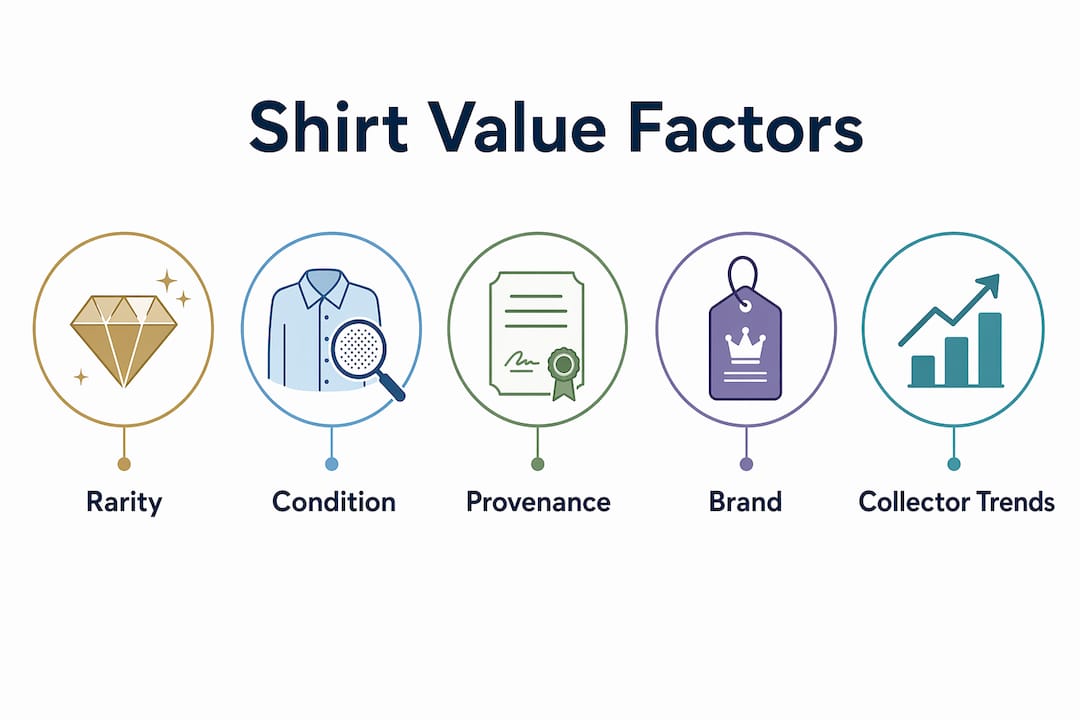
- A vintage shirt’s value depends on the combined factors of rarity, condition, provenance, and brand significance, which create pricing premiums.
- Limited production runs, authentic details, and documented historical stories elevate a shirt’s market worth beyond its physical qualities.
A vintage shirt’s value is defined by the intersection of rarity, condition, historical significance, and authenticity. These four factors interact to create the pricing premiums that separate a $30 thrift find from a $3,000 collector’s piece. Whether you’re assessing a deadstock Metallica tour tee or a match-worn football shirt, understanding what makes a shirt valuable gives you a real edge in the market. Provenance, brand identity, and collector demand layer on top of those core factors, pushing certain shirts into genuinely rare territory. This guide breaks down each driver with specificity, so you can assess, buy, and preserve with confidence.
What makes a shirt valuable: rarity and limited availability
Rarity is the single most powerful driver of shirt value. Limited production runs, regional exclusives, and designs that were never widely distributed create scarcity that the market rewards consistently. A shirt printed for a single tour leg, sold only at specific venues, or produced in a short run before a band dissolved carries inherent collectability that no replica can replicate.
The contrast between mass-produced replicas and genuinely rare originals is stark. Reproductions flood the market, but experienced collectors recognise the difference immediately through manufacturing details. Original stitching, correct sponsor logos, and tag placement all signal authenticity and rarity in ways that fakes consistently fail to reproduce. This applies equally to vintage band shirts, where screen print registration, ink opacity, and single-stitch construction date a shirt to specific eras.
Unconventional or bold designs often gain value over time precisely because they were overlooked at release. A shirt with an unusual colourway or a graphic that felt too extreme for mainstream retail in 1989 may now be the most sought-after piece from that era. Regional exclusives, such as shirts sold only at Australian shows on a US band’s tour, carry additional scarcity because the production numbers were tiny and the audience was geographically limited.
- Short production runs tied to specific tour legs or events
- Regional exclusives sold only at select venues or markets
- Designs discontinued due to licensing disputes or band breakups
- Shirts featuring artwork later changed or withdrawn by the artist
- Single-stitch construction and screen print details that date the piece
Pro Tip: Check the collar tag manufacturer and the single or double-stitch hem. Pre-1994 vintage shirts almost universally use single-stitch construction. This detail alone can confirm or rule out a shirt’s era, which directly affects its rarity classification and value.
Does condition really affect how much a shirt is worth?
Condition is the factor that most directly separates two otherwise identical shirts in terms of price. Pristine deadstock vintage t-shirts can sell for over three times the price of identical items showing moderate wear. That multiplier makes condition grading one of the most consequential skills a collector can develop.
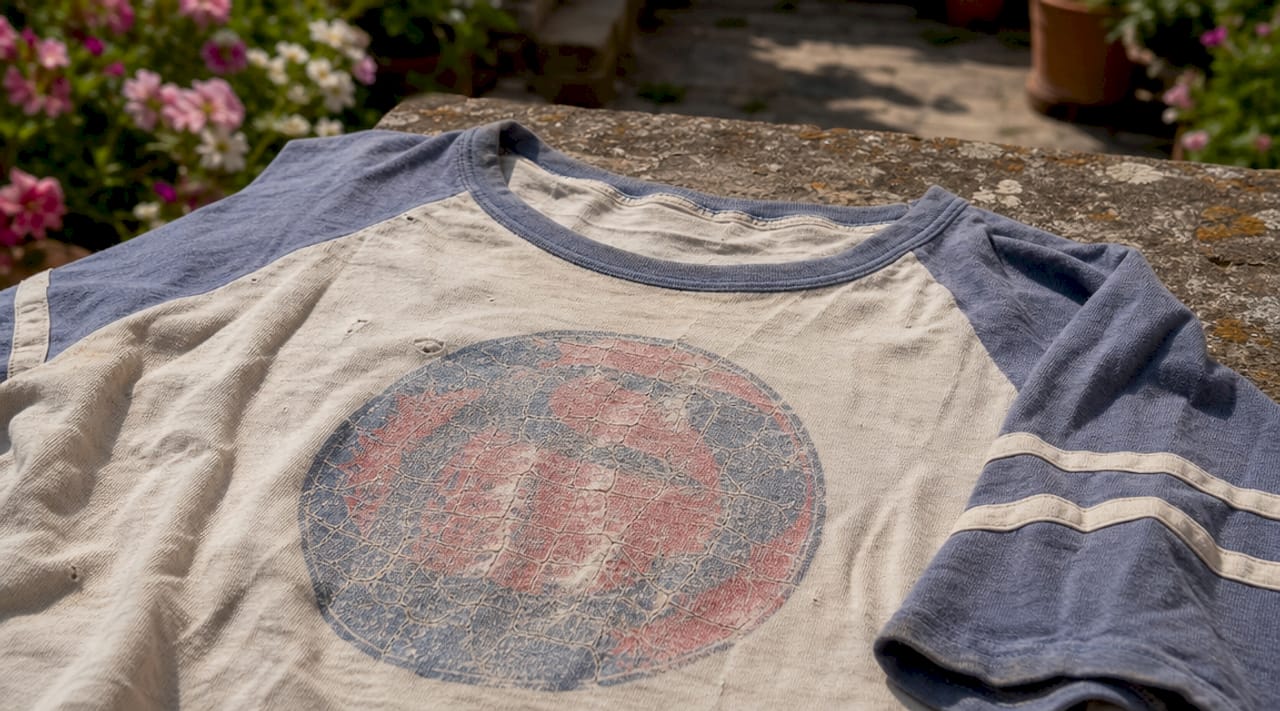
Deadstock refers to shirts that were never worn, washed, or sold at retail. They retain original fold lines, factory sizing stickers, and uncracked print surfaces. These pieces represent the ceiling of condition grading and command corresponding premiums. Below deadstock, condition grades typically run from excellent through good, fair, and worn, with each step down reducing market value meaningfully.
Common deterioration patterns include print cracking, collar yellowing, fabric thinning at stress points, and underarm staining. Poor storage, including wire hangers and light exposure, can reduce a vintage shirt’s market value by over 50% due to fabric degradation and distortion. That figure represents years of appreciation wiped out by avoidable storage mistakes.
That said, condition is not purely binary. Some natural wear, such as authentic fading and softening, can add desirable character to vintage shirts, making them more appealing than pristine but characterless pieces. A shirt with a beautifully faded graphic and soft hand feel from decades of gentle washing can outperform a stiff, unworn example in certain collector segments. The key is distinguishing character from damage.
Pro Tip: Store vintage shirts flat, folded in acid-free tissue paper, inside archival boxes away from UV light and humidity. Never use wire hangers. Climate-controlled storage is the standard for serious collectors and preserves both fabric integrity and print quality over the long term.
How does historical significance and provenance elevate shirt value?
Provenance is the documented story of where a shirt has been and who owned it. A shirt worn by a legendary musician at a specific concert, or a football shirt worn in a World Cup final, carries value that transcends its physical condition. Match-worn shirts linked to historic events achieve auction prices ranging from thousands to millions, far exceeding replicas from the same era.
The emotional currency of a shirt with a verified story is difficult to overstate. Collectors are not just buying fabric. They are buying a physical connection to a moment in cultural history. A Metallica shirt from the 1986 Master of Puppets tour, with a backstage pass stub attached and a handwritten note from a crew member, is a document as much as a garment. That narrative adds a premium that no amount of condition grading can manufacture.
Authentication is what separates genuine provenance from wishful storytelling. Letters of authenticity, photographic evidence, and chain-of-custody documentation all support a shirt’s provenance claim. Without documentation, even a genuinely historic shirt struggles to achieve its full market potential because buyers cannot verify the story.
| Provenance type | Value impact |
|---|---|
| Match-worn with authentication | Highest premium, often auction-only |
| Tour-worn with photographic evidence | Significant premium over retail examples |
| Deadstock ex-tour stock, unverified wear | Strong premium based on condition and rarity |
| Retail purchase with original receipt | Moderate premium, confirms era and authenticity |
| No provenance documentation | Value based on condition and rarity alone |
“The shirt is the artefact. The story is the value. Without the story, you have a very old piece of cotton. With it, you have a piece of history.”
How do brand identity and collector trends shape a shirt’s worth?
Brand identity operates differently from physical factors in shirt valuation. Shirts priced above roughly $1,000 often derive value primarily from brand identity, exclusivity, and emotional appeal rather than material quality. This is the luxury plateau effect: once a shirt crosses a certain price threshold, the brand’s cultural weight carries more influence than the cotton weight or stitch count.
For vintage band shirts, the equivalent of brand prestige is the cultural weight of the artist. A Metallica, AC/DC, or Black Sabbath shirt from the 1980s carries a brand premium that a lesser-known act from the same era simply cannot match. The band’s ongoing cultural relevance, the size of their fanbase, and the emotional associations tied to their music all feed into collector demand. Value-based pricing, focusing on brand equity, rarity, and garment story, better anticipates what collectors will pay than any cost-based model.
Generational nostalgia cycles significantly influence collector demand, with millennial preferences driving appreciation of 1990s to 2000s designs once considered unattractive. This cycle means shirts that were ignored a decade ago are now commanding serious prices. Understanding where the nostalgia wave is heading gives collectors a genuine advantage in identifying undervalued pieces before the broader market catches up.
| Shirt type | Primary value driver |
|---|---|
| Vintage band tee, major artist | Cultural brand weight and era scarcity |
| Designer luxury tee | Brand exclusivity and emotional prestige |
| Ex-tour stock, minor act | Rarity and condition over brand recognition |
| Nostalgia-cycle piece, 1990s to 2000s | Generational demand and design authenticity |
Pro Tip: Track which artists are experiencing renewed cultural attention through streaming data, anniversary tours, or documentary releases. These events reliably trigger demand spikes for vintage merchandise from that era, often before prices adjust in the resale market.
How to value a shirt: practical guidelines for collectors
A structured approach to shirt value assessment removes guesswork and protects you from overpaying or underselling. The criteria for shirt pricing combine physical inspection, provenance research, and market comparison into a repeatable process.
- Assess rarity first. Identify the production context: was this a limited tour run, a regional exclusive, or a mass retail item? Check manufacturing details including tag brand, construction method, and print technique to confirm era.
- Grade the condition objectively. Examine the print for cracking or fading, check the collar and cuffs for wear, and inspect the fabric for thinning or staining. Use a recognised grading scale and be honest about what you find.
- Verify provenance. Gather any documentation that supports the shirt’s history. Photographs, receipts, letters of authenticity, and chain-of-custody records all add measurable value.
- Research comparable sales. Check recent auction results, resale platforms, and specialist dealers for identical or closely comparable shirts. Price discovery requires real transaction data, not asking prices.
- Authenticate before purchasing. Look for red flags including too-bright colours on supposedly aged prints, modern tag fonts on claimed vintage pieces, and double-stitch construction on pre-1994 items. A band shirt’s rarity markers are specific and learnable.
- Seek professional appraisal for high-value pieces. For shirts above a few hundred dollars, a specialist appraiser or auction house assessment is worth the cost. It protects both buyers and sellers and supports insurance valuations.
The resale market for vintage shirts has genuine liquidity at the top end, with major auction houses, specialist dealers, and online platforms all active. Liquidity thins out for mid-tier pieces, so understanding your exit options before you buy is part of a sound collecting strategy.
Pro Tip: When authenticating vintage shirts, photograph the tag, the print, the stitching, and any wear patterns under good natural light. Build a reference library of confirmed authentic examples for the bands and eras you collect. Pattern recognition developed over time is the most reliable authentication tool available.
Key takeaways
A vintage shirt’s value is determined by rarity, condition, provenance, and brand significance working together. No single factor dominates; the highest prices occur when all four align.
| Point | Details |
|---|---|
| Rarity drives the ceiling | Limited production runs and regional exclusives create scarcity that replicas cannot match. |
| Condition multiplies value | Deadstock shirts sell for over three times the price of worn equivalents from the same run. |
| Provenance adds story premium | Authenticated shirts linked to historic events command prices far beyond condition alone. |
| Brand weight matters above $1,000 | At premium price points, cultural brand identity outweighs material quality in collector valuation. |
| Nostalgia cycles create opportunity | Tracking generational demand shifts lets collectors identify undervalued pieces before the market reprices them. |
The part of shirt value nobody talks about honestly
The honest truth about collecting vintage shirts is that the market rewards conviction as much as knowledge. I’ve watched collectors with encyclopaedic technical knowledge consistently overpay because they chased condition scores rather than stories. And I’ve watched others with far less technical background build extraordinary collections because they understood what a shirt meant to the people who were there.
The tension between monetary value and emotional value is real, and pretending it doesn’t exist leads to poor decisions in both directions. A shirt with a cracked print and a faded graphic from a 1987 Metallica show in Melbourne carries something that a pristine deadstock example from the same tour cannot fully replicate. It was there. Someone wore it. That matters to the right buyer in a way that no grading scale captures.
My advice to collectors at any level is to build a collection around genuine passion for the music and the era, not around what the market currently prices highest. The subcultural significance of tour merch is what creates lasting value, not the speculation cycle. Shirts that matter culturally tend to hold and grow value over time. Shirts bought purely as investments tend to disappoint when the trend shifts.
Authenticity in your collecting approach mirrors the authenticity you look for in the shirts themselves. Both are worth more in the long run.
— David
Find rare vintage metal shirts with verified provenance
Com specialises in vintage heavy metal t-shirts sourced directly from ex-tour stock and deadstock from the bands and tours that defined the genre. Every piece in the catalogue is assessed for condition, rarity, and authenticity before it reaches the shop.
If you’ve read this far, you understand what separates a genuinely valuable shirt from a reproduction. Com’s collection is built on exactly those criteria: limited availability, verified condition grading, and shirts with real stories behind them. Browse the vintage Metallica shirts collection to see deadstock and ex-tour examples that meet the standards this guide describes. These are the pieces serious collectors look for, and they don’t stay available for long.
FAQ
What is the most important factor in shirt value?
Rarity and condition together form the foundation of shirt value, but provenance can override both. A shirt with authenticated historical significance can command multiples of what a pristine but undocumented example achieves.
How do I know if a vintage shirt is genuine?
Check the collar tag manufacturer, construction method (single-stitch pre-1994), print technique, and ink opacity. A vintage shirt grading guide provides the specific details that distinguish originals from reproductions.
What does deadstock mean for shirt value?
Deadstock refers to shirts that were never worn or washed after manufacture. These pieces retain original print quality and fabric integrity, and they consistently sell for significantly more than worn equivalents from the same production run.
How should I store a valuable vintage shirt?
Store shirts flat in acid-free tissue paper inside archival boxes, away from UV light and humidity. Wire hangers and direct light exposure can reduce a shirt’s market value by over 50% through fabric degradation and distortion.
Why do some old band shirts cost so much?
The combination of limited original production, cultural significance of the artist, and the nostalgia cycle driving millennial collector demand creates pricing premiums that reflect brand equity and rarity rather than material cost alone.
Recommended
- How to display collector shirts: the complete guide – Vintage Metal Store
- Why fans collect old shirts: Cultural power of vintage metal tees – Vintage Metal Store
- How to organise your heavy metal shirt collection: 4 steps – Vintage Metal Store
- Collecting tour shirts: their cultural value and impact – Vintage Metal Store


