



Ex‑tour stock is valuable because the shirts are scarce, carry provenance no reproduction can fake, and connect directly to a specific band, tour and moment in metal history. A 1967 Grateful Dead tee sold at Sotheby’s for US$17,640 (US$19,300 with fees), and a Nirvana Heart‑Shaped Box 1993 tee made by the now‑defunct printer Backstage Pass reportedly changed hands privately for around US$13,544. Vintage Metal Store deals in exactly this category, and the pattern holds across every genre: original tour merch is finite, and demand only grows.
Three things drive that value harder than anything else:
- Rarity – limited print runs that were never reordered once the tour ended.
- Provenance – original tags, printer credits and receipts that tie a shirt to a real date and venue.
- Cultural cachet – the band, the tour, and the era the shirt represents.
Key Takeaways
Ex‑tour stock holds its value because scarcity, verifiable provenance and genuine cultural association combine in a way no reprint can replicate.
| Point | Details |
|---|---|
| Scarcity drives price | Limited original print runs with no reorders mean supply only shrinks over time. |
| Provenance beats condition alone | Original tags, printer credits and receipts matter as much as how the shirt looks. |
| Authenticate before you pay | Check neck tags, stitch type and print technique against known examples for that era. |
| Wear can add value | Natural fading and honest wear sometimes outrank pristine deadstock for serious collectors. |
| Buy from verified specialists | Vintage Metal Store grades condition and checks provenance on every listing before sale. |
Table of Contents
- What is ex‑tour stock and deadstock, exactly?
- Why collectors value ex‑tour stock so highly
- How do you authenticate a genuine ex‑tour shirt?
- Does deadstock beat worn stock, or does condition cut both ways?
- Where does ex‑tour stock turn up, and how do you buy it safely?
- Does where a shirt was printed change what it’s worth?
- What print or tag variations actually move the price?
- How do you keep a deadstock shirt in deadstock condition?
- Finding verified ex‑tour stock without the guesswork
- Sources
- FAQ
What is ex‑tour stock and deadstock, exactly?
Ex‑tour stock means shirts printed and sold specifically for a tour, worn or bought by fans who were actually there. Deadstock refers to leftover tour merch that never sold. It sat in a warehouse or a roadie’s storage box for decades and surfaces later in mint, unworn condition.
Both are genuinely different from a reissue or a licensed reprint, even when the reprint uses the original artwork.
- Ex‑tour tee: printed for, say, Metallica’s 1992 “Wherever I May Roam” leg, sold at the merch table, worn to the show.
- Deadstock: identical print run, never sold, discovered years later still folded with tags intact.
- Not ex‑tour stock: a 2024 “vintage style” reprint sold through a general retailer, or a licensed anniversary reissue with modern tags and a different print method.
That distinction matters more than most buyers realise. A shirt can carry the right band name and the right tour date and still be worth a fraction of the original if it was printed decades later on modern blanks.
Why collectors value ex‑tour stock so highly
Rarity sits at the top of the list, and it’s a straightforward supply problem. Tour merch was printed in short runs, sized for the crowd expected on that specific leg, with no reorders once the tour wrapped. Once those shirts sold out or wore through, that print effectively went extinct. Estate sales and thrift channels have thinned out further as pickers and dealers compete for the same dwindling stock, so what’s left keeps climbing in price.
Provenance is what separates a genuine find from a guess. A shirt with an intact original neck tag, a printer credit line, and tour dates stitched or printed into the design tells its own story. Add a receipt, a ticket stub from the same show, or a seller with documented ownership history, and the value case writes itself. This is the exact reasoning behind Vintage Metal Store’s guide to spotting genuine vintage tour shirts.
Original materials matter just as much as the print. Era‑specific cotton blanks, single‑stitch hems and screen printing techniques from the 1980s and 1990s created a texture and drape that modern manufacturing doesn’t replicate. Vintage market specialists put it plainly: the natural wear on an original piece is impossible to fake, because every rip, tear and fade tells a story that only decades of real use can write.
Band and tour association pushes value further still. A shirt from a defining tour, say a Metallica run that fans still talk about, carries weight a generic band tee never will. Dealers report that certain eras and acts spike hard above baseline pricing when nostalgia cycles hit.
Market example: the Nirvana Heart‑Shaped Box tee’s roughly US$13,544 private sale wasn’t about the band name alone. It was the rare Backstage Pass printer credit, the specific tour association, and genuine scarcity all landing on one shirt.
Social media has poured fuel on all of this. Renewed collector interest through the early 2020s, driven by nostalgia for 1990s and early 2000s acts and a wave of new collectors discovering the category, has pushed demand well past what supply can match.
How do you authenticate a genuine ex‑tour shirt?
Run through these checks before you trust any listing, whether you’re buying online or holding the shirt in hand:
- Neck tag – check the font, material and stitching against known originals for that era and manufacturer.
- Stitch type – single‑stitch hems dominated through the 1980s and into the mid‑1990s; double‑stitch construction usually signals a later reprint.
- Print technique – genuine screen prints show slight ink texture and soak into the fabric; modern digital prints sit flatter on top.
- Print edges – inspect where the ink meets the fabric edge for soft, slightly irregular registration rather than crisp, machine‑perfect lines.
- Care tag – look for printing methods, wording and country‑of‑origin details consistent with the claimed decade.
- Manufacturer and printer credits – genuine tour merch usually names the printer (Winterland, Brockum, Backstage Pass, Screen Stars) somewhere on the tag or hem.
When you’re working from photos only, zoom into the print for thread pull and halftone dot patterns. Reputable buyer guides now flag how much of the market is reproductions, so treat any listing without close‑up shots as a red flag on its own.
Watch for these warning signs:
- A high‑value design in flawless, unworn condition with no supporting provenance.
- Modern blank brands (Gildan, Anvil) paired with a claimed 1990s print date.
- Tag fonts or fabric that don’t match known examples from that manufacturer’s era.
- No mention of the printer or manufacturer anywhere on the garment.
- A price well under market for a design that should command a premium.
Pro Tip: Ask the seller directly for a photo of the shirt next to a dated receipt, ticket stub, or period photo. A genuine seller with real provenance will usually have something extra tucked away, and hesitation is often the biggest tell of all. If something still feels off after that, walk away or get a second opinion from a specialist before you pay vintage prices. Vintage Metal Store’s breakdown of original versus fake band tees covers several of these checks in more depth.
Does deadstock beat worn stock, or does condition cut both ways?
Deadstock generally commands a premium over worn examples of the same shirt, because unworn tour merch surviving decades in storage is rarer than a shirt that got worn to death. But condition isn’t a simple hierarchy where pristine always wins.
- Deadstock suits collectors building an archive; the shirt is treated as an artefact, not clothing.
- A worn original with honest fading and a small tear can actually outrank a stiff, unhandled deadstock piece for buyers chasing authenticity over mint presentation.
- Natural fade patterns and soft, aged cotton are difficult to fake convincingly, which is part of why some worn examples command higher cultural value than a stiff, unworn shirt with no history behind it.
- For listings, grade condition honestly: note fading, stitching integrity, any repairs, and whether tags are intact.
A shirt that’s been through a decade of wear can carry more weight with serious collectors than one that’s never left its packaging, because the wear itself is the provenance.
Where does ex‑tour stock turn up, and how do you buy it safely?
Genuine finds surface through a handful of reliable channels: specialist vintage dealers, curated online stores, auction houses, estate sales and long‑running collector forums. Each comes with its own risk profile.
Before you commit to any listing:
- Request close‑up photos of the neck tag, stitching and print edges.
- Check the seller’s history, reviews and how long they’ve operated in the space.
- Ask directly for provenance: receipts, ticket stubs, or period photos.
- Get a written condition report if buying sight unseen.
- Auction houses and consignment suit high‑value pieces where a paper trail matters most.
- Established online vintage sellers, including specialist stores, offer more consistent vetting than open marketplaces.
- Estate sales remain a genuine source, though competition from professional pickers has thinned what turns up.
- Collector forums are useful for cross‑checking a seller’s reputation before you commit.
For anything above a modest price, use payment methods with buyer protection and inspect the item the moment it arrives rather than after it’s washed or worn.
Pro Tip: Once you own a deadstock piece, store it flat in acid‑free tissue in a cool, dry space away from direct light. Avoid tight folds along the print, since creasing under tension can crack the ink over years of storage. Vintage Metal Store’s heavy metal shirt buying checklist runs through this same process step by step.
Does where a shirt was printed change what it’s worth?
Printing location carries real weight in valuation, mostly because it ties directly to which manufacturer handled a tour’s merch run. American‑printed tour tees from the 1980s and 1990s often ran through well‑documented printers like Winterland or Brockum, and collectors can cross‑reference those credits against known tour dates to confirm authenticity.
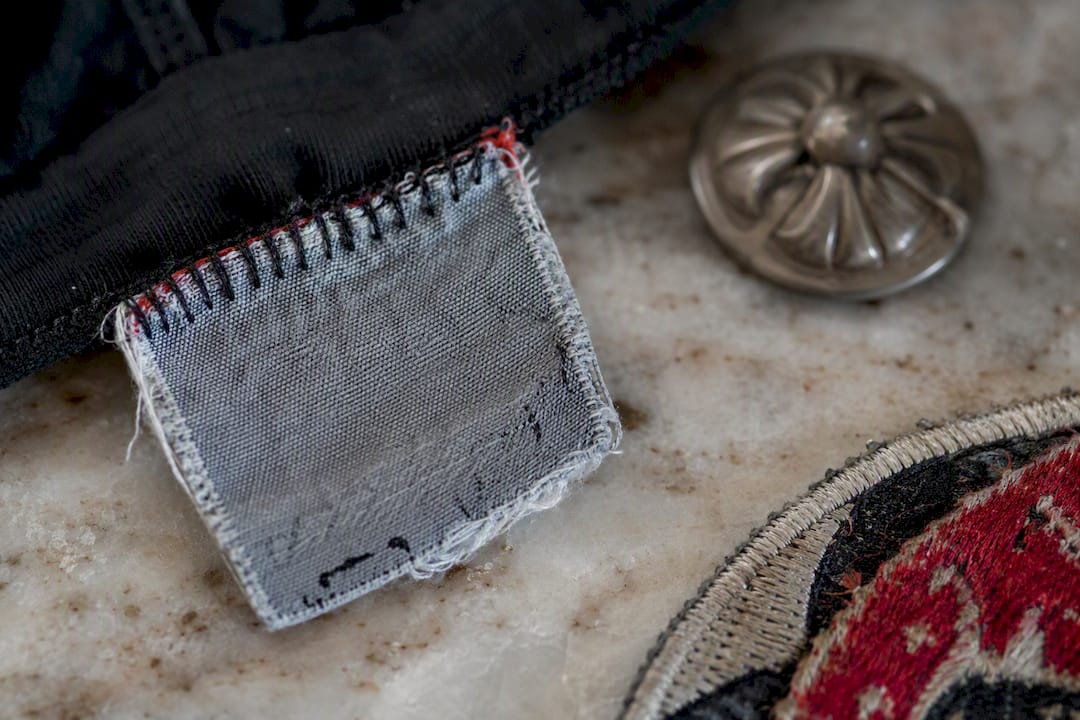
Shirts printed for international legs of a tour sometimes used different local printers, different blank brands, or slightly different sizing conventions, which shows up in the tag details. A European or Japanese tour date printed through a regional manufacturer can look subtly different from the US run of the same tour, right down to the paper stock used for the tag or the thread colour on the hem.
For collectors, that regional variation isn’t a flaw. It’s a fingerprint. A shirt printed for a single overseas leg of a global tour can be rarer than the domestic version simply because fewer were made and fewer survived the trip home in a fan’s suitcase. Cross‑referencing tour dates against known print runs and printer credits, the same method covered in Vintage Metal Store’s guide to cross‑referencing tour date shirts, is one of the more reliable ways to confirm a shirt’s actual origin rather than relying on the seller’s word alone.
What print or tag variations actually move the price?
Small production quirks often separate a common tour shirt from a genuinely rare one. Misprints, colour variations between different print batches on the same tour, and short‑run alternate designs (a shirt printed for only a handful of dates before the design changed) all carry premiums among serious collectors.
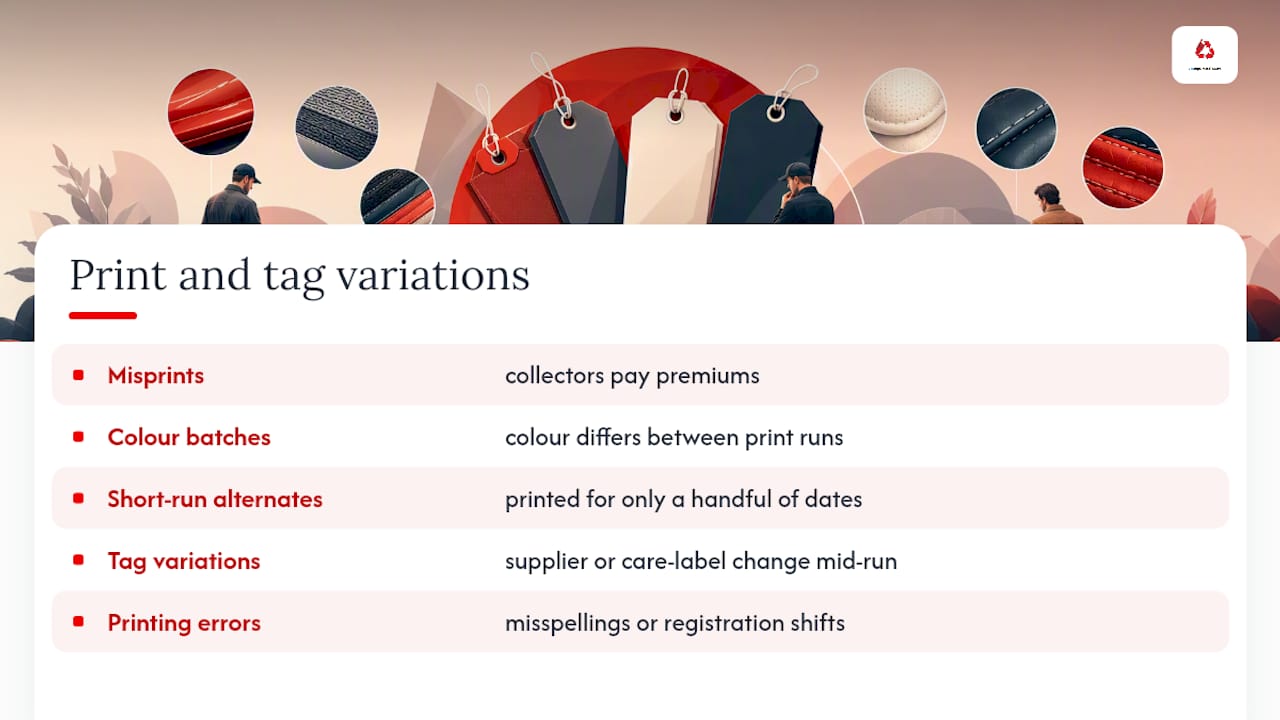
Tag variations matter just as much as the print itself. A manufacturer sometimes switched tag suppliers mid‑tour, or updated a care label partway through a run, creating two distinct tag versions for what looks like an identical shirt. Collectors who know a tour’s production history can spot these differences immediately, and they’ll pay more for the rarer variant.
Errors add another layer entirely. A misspelled tour date, a city left off a back‑print tour list, or a printing registration error that shifted the design slightly, these mistakes usually got caught and corrected fast, which means the flawed early run is scarcer than the corrected version that followed. That’s the opposite of how most retail products work, where a defect kills value. In vintage tour merch, a documented printing error can actually push the price higher, provided it’s a known, verifiable variation rather than damage from wear or a modern fake trying to mimic an “error” for effect.
How do you keep a deadstock shirt in deadstock condition?
Preservation comes down to controlling four things: light, moisture, air, and tension on the fabric.
Store deadstock flat wherever possible, wrapped in acid‑free tissue rather than plastic, which traps moisture and can yellow fabric over time. A cool, dry, dark space works far better than a wardrobe that gets direct sunlight, since UV exposure fades prints and weakens cotton fibres even without anyone touching the shirt.
Avoid folding directly along a printed design. Repeated tension along the same crease line, especially over years, can crack ink that’s survived decades intact. If a shirt must be folded, fold away from the print and refold along a slightly different line every so often to avoid a permanent stress point.
Acid‑free archival boxes or garment bags with breathable fabric outperform sealed plastic tubs, which can trap humidity and encourage mildew. Keep deadstock away from cardboard boxes too, since the acid in standard cardboard degrades cotton over long storage periods. None of this is complicated, but skipping it is how a genuinely rare, mint‑condition shirt quietly turns into a merely good‑condition one over a decade in the wrong storage.
A note from David at Vintage Metal Store
Handling ex‑tour stock day to day teaches you fast that provenance isn’t a buzzword, it’s the whole game. Every listing gets checked against tags, stitching and print details before it goes live. For readers wanting the finer detail, our checklist for 90s metal collectors covers the checks we run ourselves.
Finding verified ex‑tour stock without the guesswork
Every check covered above, the tags, the stitching, the printer credits, is exactly what Vintage Metal Store runs on every single listing before it goes live. Rather than hunting through unverified marketplace listings and hoping a seller’s word holds up, you’re buying from a specialist that’s already done the authentication work for you.
Every piece comes with a condition grade so you know exactly what you’re getting, whether that’s crisp deadstock or an honestly worn original with real history in the fabric. Misdescribed items are covered by a returns policy, so a bad match doesn’t leave you out of pocket. If you’re chasing something specific, the rare Metallica 1992 tour tee is a solid example of the calibre of stock that passes these checks, and the full vintage Metallica collection is worth a browse if you’re building out a specific band’s archive. Have a look through current listings and see what’s genuinely available right now.
Sources
- The big business of vintage music T‑shirts — Hollywood Reporter
- How nineties band T‑shirts became the decade’s hottest collectible — The Globe and Mail
- Vintage band tees: a no‑BS buying guide for 2026 — WEAR2AM
FAQ
What exactly makes ex‑tour stock valuable?
Scarcity, genuine provenance (tags, printer credits, receipts) and a direct link to a specific band and tour combine to push value well above modern reprints.
How can I tell if a tour shirt is a reproduction?
Check the neck tag, stitch type and print technique against known originals. Modern blanks, double‑stitch hems and flawless condition on a high‑value design are common signs of a reprint.
Is deadstock always worth more than a worn shirt?
Not always. Deadstock usually commands a premium, but a worn original with honest fading and documented history can outvalue a pristine piece for collectors who prize authenticity over mint condition.
Where’s the safest place to buy ex‑tour stock?
Specialist vintage dealers with verified listings, like Vintage Metal Store, reduce the risk you’d face buying from unvetted marketplace sellers with no provenance checks.
Does printing location actually affect value?
Yes. Regional print runs, especially rarer international tour legs, can carry different tag and blank details that make them scarcer and more valuable than the standard domestic version.
Recommended
- Ex tour stock explained: spot authentic tour tees – Vintage Metal Store
- Tour stock shirts explained: Value, rarity and collector secrets – Vintage Metal Store
- The real value of tour stock shirts for collectors – Vintage Metal Store
- Types of ex tour stock shirts: a collector’s guide – Vintage Metal Store


