



You spot a shirt online labeled ‘vintage heavy metal tour merch’ and instantly feel drawn to it. But here’s the reality that might surprise you: only 35% of shirts labeled ‘vintage’ by sellers actually date from the original tour period. Authentic 1990s vintage metal shirts offer unique cultural and emotional value that reprints simply cannot replicate. This article helps you identify originals and understand their deeper importance.
Table of Contents
- Understanding Vintage Heavy Metal Tour Shirts
- Why Vintage Shirts Are More Than Just Merchandise
- How to Authenticate and Identify Vintage Tour Shirts
- Common Misconceptions About Vintage Metal Shirts
- Comparing Vintage Shirts with Modern Reprints
- Tips for Collecting and Preserving Vintage Metal Shirts
- Bringing It All Together for Collectors and Fans
- Explore Authentic Vintage Metal Shirts Today
Key Takeaways
| Point | Details |
|---|---|
| Definition and Cultural Importance | Authentic 1990s vintage tour shirts are original merchandise from that era, serving as tangible cultural artifacts. |
| Emotional and Community Value | 56% of metal fans report stronger community belonging when wearing authentic vintage merch, driving higher collector interest. |
| Authentication Methods | Verify through tags, fabric quality, print condition, and provenance documentation to avoid common pitfalls. |
| Vintage vs Reprints | Genuine vintage shirts have limited production, superior materials, and significantly higher collector value. |
| Preservation Tips | Proper storage in cool, dry environments away from sunlight extends longevity and maintains value. |
Understanding Vintage Heavy Metal Tour Shirts
What exactly qualifies as a vintage heavy metal tour shirt? Vintage metal shirts are defined as original merchandise produced during or immediately after the 1990s tours. These aren’t just old shirts. They’re tangible cultural artifacts that capture a specific moment in music history.
The 1990s metal scene produced some of the most iconic tour merchandise ever created. Fans packed arenas to see bands like Metallica, Iron Maiden, and Slayer at their peak. The shirts sold at those venues became instant memorabilia. Examples include classic Metallica and Iron Maiden tours from the 1990s, each representing a specific tour date, venue, or album cycle.
These shirts serve multiple purposes for collectors. They preserve musical legacy through material culture. They represent attendance at legendary concerts. They document the evolution of band aesthetics and tour marketing. Understanding what makes a shirt vintage helps you appreciate why these items command respect and higher prices.
Key characteristics of authentic vintage 1990s metal tour shirts:
- Original production dates matching the tour period
- Era appropriate printing techniques and fabric quality
- Tour specific details like dates, venues, or album artwork
- Natural aging patterns consistent with 25+ years of existence
- Tag information matching the manufacturing standards of that decade
The importance of vintage metal shirts extends beyond simple nostalgia. They represent a golden era when metal dominated global music culture. Owning a shirt from an iconic 1990s heavy metal tour connects you directly to that moment in history.
Why Vintage Shirts Are More Than Just Merchandise
Vintage metal shirts create emotional bonds that transcend their function as clothing. You wore that shirt to your first concert. You met fellow fans who recognized the tour dates. You felt part of something bigger than yourself. 56% of metal fans report stronger community belonging when wearing authentic vintage merch.
These shirts symbolize fan identity in powerful ways. Wearing authentic vintage merchandise signals your genuine connection to the music and the era. Other collectors and fans instantly recognize the difference between original tour shirts and modern reprints. This recognition fosters immediate connection and mutual respect within metal communities.
The deeper meaning behind vintage shirt emotional connections manifests in several ways:
- Memory anchors linking you to specific concerts and life moments
- Visual identity markers that communicate your musical taste and history
- Conversation starters that build connections with fellow fans
- Tangible proof of participation in metal’s golden era
- Legacy items that can be passed to future generations
“Authentic vintage shirts command higher esteem because they represent real participation in music history, not manufactured nostalgia.”
The value transcends price tags. You might pay more for an authentic 1990s tour shirt than a modern reprint. But what you’re really buying is legitimacy and connection. The shirt represents your place in a community that values authenticity. It supports your personal narrative as someone who appreciates metal’s cultural heritage.
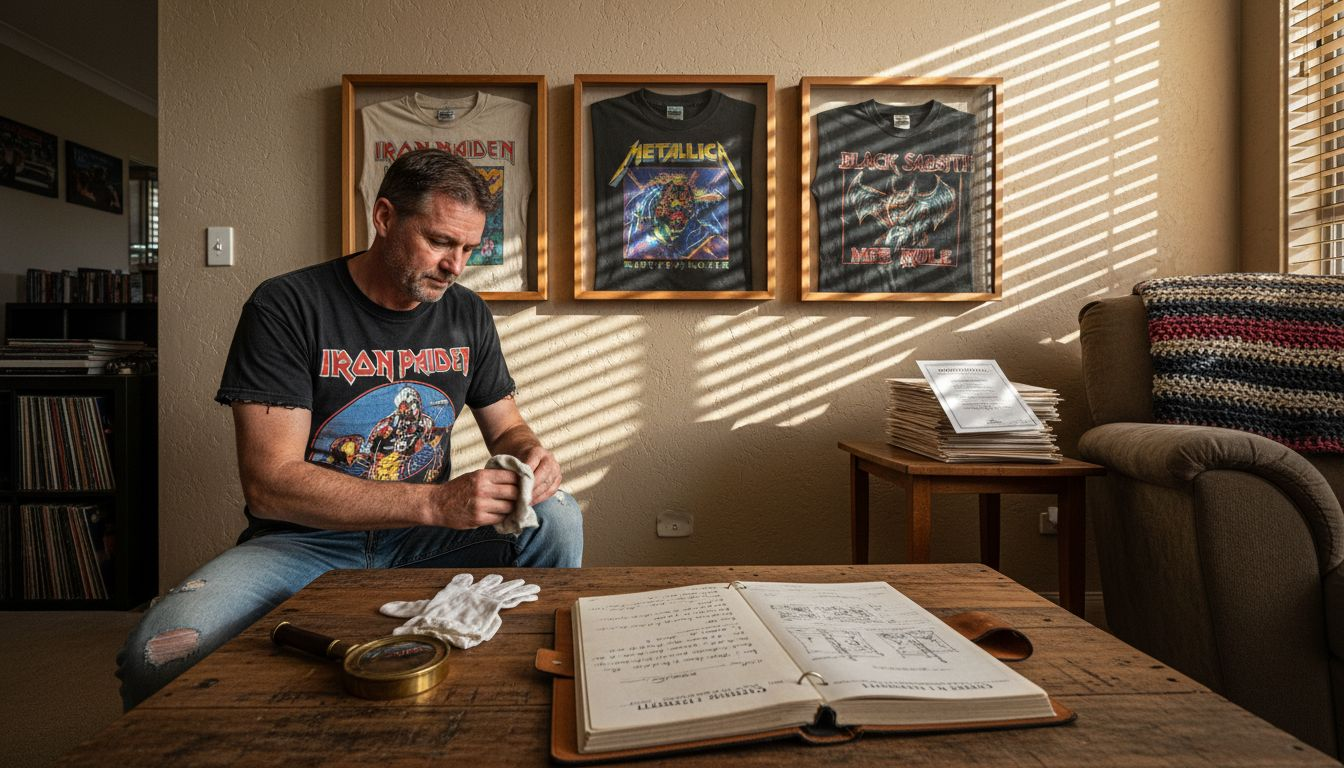
This emotional investment explains why collectors seek provenance and verification. The story behind the shirt matters as much as the shirt itself. Was it purchased at the actual tour? Does it show wear patterns consistent with genuine use? These details amplify the emotional and cultural significance, making authentic vintage merchandise irreplaceable.
How to Authenticate and Identify Vintage Tour Shirts
Authentication separates genuine collectors from casual buyers. You need systematic verification methods to avoid expensive mistakes. Here’s how to verify authenticity:
-
Examine the tag carefully. Check manufacturer labels, sizing information, and care instructions. 1990s tags used specific fonts, materials, and placement that differ from modern reproductions. Screen printed tags rather than heat transfers often indicate older production.
-
Assess fabric quality and construction. Authentic vintage shirts typically used heavier cotton blends than modern shirts. Feel the weight and thickness. Check seam construction and collar stitching for era appropriate techniques.
-
Analyze print condition and technique. Original 1990s prints used screen printing methods that age distinctively. Look for natural cracking in the print consistent with decades of wear. Reprints often have suspiciously perfect graphics.
-
Verify tour specific details. Cross reference tour dates, venue names, and artwork against historical records. Incorrect dates or venues immediately flag reproductions.
-
Request provenance documentation. Provenance such as receipts or photos significantly aids authentication. Concert tickets, original purchase receipts, or period photographs add credibility.
-
Consult expert resources. Use community forums and authentication guides to cross check your findings. Experienced collectors often share detailed authentication knowledge.
Pro Tip: Take detailed photos of tags, prints, and construction details before purchasing online. Compare these against verified examples in collector forums to spot inconsistencies.
Common authentication pitfalls to avoid:
- Trusting seller descriptions without independent verification
- Overlooking modern reproduction techniques that mimic vintage aesthetics
- Ignoring price signals when deals seem too good to be true
- Skipping the step by step authentication process to save time
Your verification skills improve with practice. Study authentic examples. Learn the specific characteristics of different eras and manufacturers. Build relationships with reputable sellers who provide detailed provenance. These authentication tips protect your investment and ensure your collection contains genuine artifacts.
Common Misconceptions About Vintage Metal Shirts
Several myths confuse new collectors and even experienced fans. Let’s clarify what vintage truly means and debunk persistent misconceptions.
Myth: Any old metal shirt qualifies as vintage. Reality: Age alone doesn’t make a shirt vintage. Authentic vintage shirts must be original merchandise from 1990s tours, not later reprints or unlicensed copies. A 15 year old bootleg isn’t vintage in the collector sense.
Myth: Price determines authenticity. Reality: Emotional and cultural value often drive purchase decisions more than market price. Some collectors overpay for reprints marketed as vintage. Others find genuine deals because sellers don’t recognize what they have. Price serves as one indicator, not definitive proof.
Myth: Vintage always means better quality. Reality: Quality varies significantly across vintage shirts. Some genuine 1990s merchandise used inferior materials that degraded badly. Modern reprints sometimes use superior fabrics and printing. Vintage value comes from authenticity and cultural significance, not always from physical superiority.
Myth: All vintage sellers are trustworthy. Reality: The vintage label gets misused constantly. Sellers call brand new reprints ‘vintage style’ hoping buyers won’t notice the difference. Others genuinely mistake reproductions for originals. Always verify independently regardless of seller reputation.
Key clarifications about vintage shirt misconceptions:
- Deadstock means unworn original merchandise, but doesn’t guarantee 1990s origin
- Distressed or faded appearance can be artificially created on new shirts
- Licensed reprints are legal but not vintage, despite using original artwork
- Online marketplace ‘vintage’ filters include items from any era, not specifically 1990s
Understanding these myths helps you navigate the market confidently. You’ll recognize red flags in seller descriptions. You’ll ask better questions before purchasing. You’ll build a collection based on genuine artifacts rather than convincing reproductions.
Comparing Vintage Shirts with Modern Reprints
Understanding the key differences helps you make informed decisions about vintage versus reprints. Each serves different purposes in your collection.
| Feature | Vintage 1990s Originals | Modern Reprints |
|---|---|---|
| Production Volume | Limited to original tour quantities | Mass produced continuously |
| Material Quality | Heavier cotton, era specific blends | Varies, often lighter modern fabrics |
| Print Technique | Screen printing with natural aging | Digital or screen, artificially distressed |
| Authenticity | Original tour merchandise | Licensed or unlicensed reproductions |
| Market Value | Higher due to rarity and cultural significance | Lower, readily available |
| Collectibility | High among serious collectors | Minimal collector interest |
| Wearability | Risk of damage reduces value | Safe for regular wear |
| Provenance | Can be documented and verified | No historical provenance |
Vintage shirts offer unique advantages for collectors. Limited production means genuine scarcity. The shirts represent actual participation in music history. Natural aging patterns tell authentic stories. Cultural cachet within metal communities remains high.
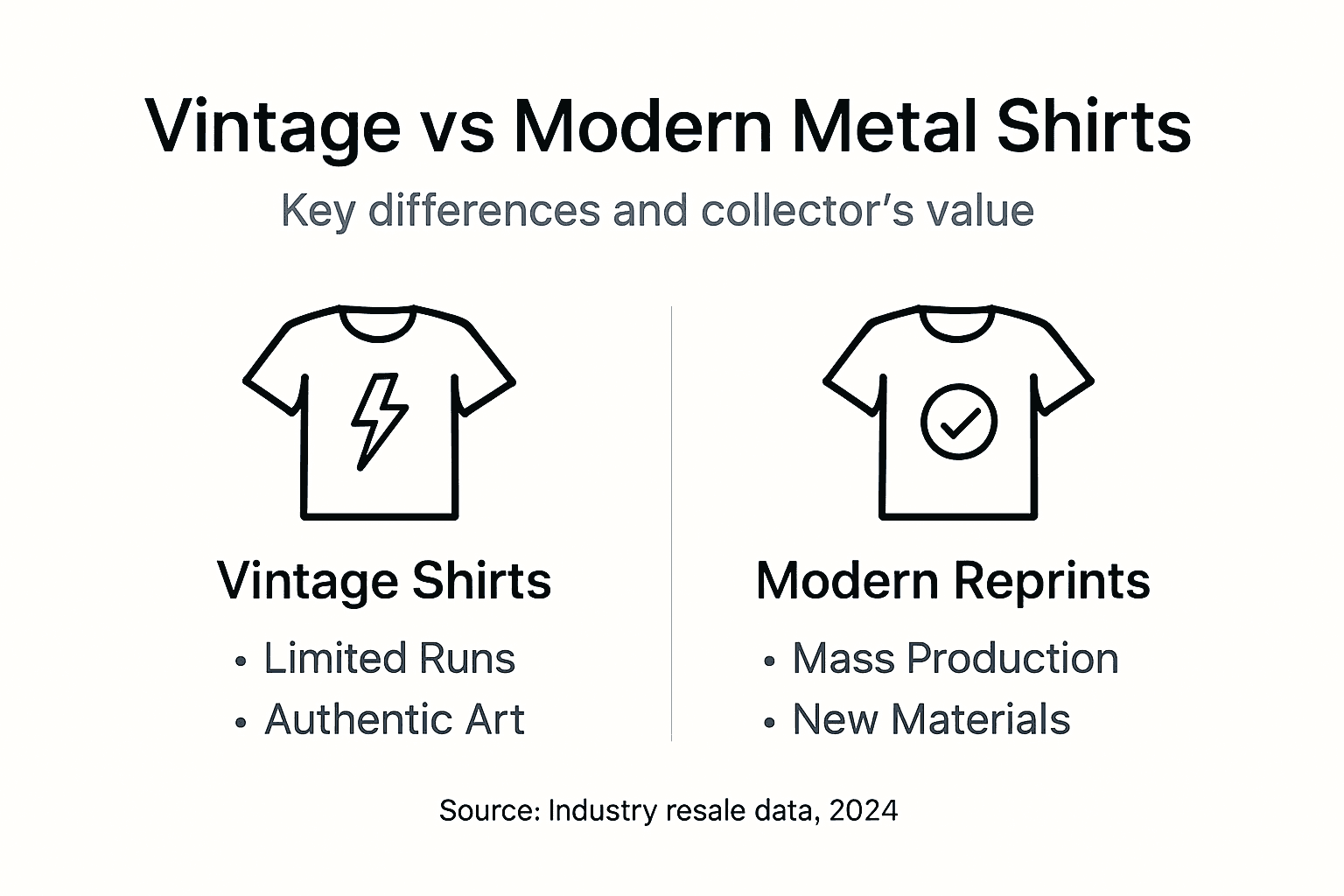
Modern reprints serve different needs. They let you wear iconic designs without risking valuable originals. Quality can match or exceed vintage in terms of durability. Lower prices make them accessible to younger fans. They keep classic designs visible in current metal culture.
Pro Tip: Build a balanced collection with valuable vintage pieces for display and modern reprints for regular wear. This approach preserves your investment while letting you express your metal identity daily.
The choice depends on your goals. Serious collectors prioritize authenticity and rarity. Casual fans might prefer affordable reprints of favorite designs. Many enthusiasts maintain both vintage originals for special occasions and quality reprints for everyday use. Understanding these differences ensures your purchases align with your collecting philosophy.
Tips for Collecting and Preserving Vintage Metal Shirts
Proper care and strategic collecting protect your investment and maintain shirt value over decades. Follow these essential practices:
Storage and Environmental Control
Proper environmental storage extends shirt longevity and preserves value. Store shirts in cool, dry spaces away from direct sunlight. UV exposure fades prints and weakens fabric. Humidity promotes mold growth and accelerates deterioration. Temperature fluctuations cause material stress.
- Use acid free tissue paper between folded shirts
- Avoid plastic bags that trap moisture
- Consider archival quality boxes for long term storage
- Keep shirts away from attics and basements with extreme conditions
- Rotate displayed shirts periodically to minimize light damage
Handling and Maintenance
Minimize physical stress on vintage fabrics and prints. Wash vintage shirts only when absolutely necessary, using cold water and gentle cycles. Air dry rather than using machines. Handle shirts by supporting the full garment, not pulling on sleeves or collars. These preservation tips extend shirt life significantly.
Strategic Purchasing Process
-
Research before buying. Study specific tours, manufacturers, and design variations. Knowledge prevents costly mistakes.
-
Verify seller reputation. Check reviews, ask for references, and confirm return policies. Reputable sellers provide detailed photos and honest condition assessments.
-
Request comprehensive documentation. Ask for provenance, purchase history, and any available authentication certificates.
-
Inspect thoroughly upon receipt. Compare received items against listing photos. Verify tags, prints, and construction details immediately.
-
Document your collection. Photograph each shirt with detailed condition notes. Record purchase information and provenance for future reference.
-
Build expert relationships. Connect with experienced collectors who can provide guidance and verification assistance.
-
Follow a systematic checklist. Use a collecting checklist to ensure you evaluate every critical factor before purchasing.
Pro Tip: Start with more affordable vintage shirts to build authentication skills before investing in rare, expensive pieces. Experience reduces costly mistakes.
These practices protect your collection’s physical condition and financial value. Proper care ensures shirts remain displayable and wearable for future generations. Strategic purchasing builds a collection you can trust and enjoy.
Bringing It All Together for Collectors and Fans
Vintage 1990s heavy metal tour shirts represent far more than old clothing. They’re authentic cultural artifacts that link you directly to metal’s golden era. Each shirt tells a story about a specific tour, band, and moment in music history.
Authenticity matters more than price alone. A genuine vintage shirt with verified provenance carries emotional weight that no reprint can match. The connection to actual concerts and real fans who attended those shows creates lasting value. Your collection becomes a personal museum documenting metal culture.
Preserving these shirts safeguards musical legacy for future generations. Proper storage, careful handling, and strategic collecting ensure these artifacts survive decades longer. You’re not just maintaining clothing; you’re protecting cultural history.
Key principles for confident collecting:
- Prioritize authentication through systematic verification
- Value provenance and documentation as highly as physical condition
- Build relationships with reputable sellers and expert collectors
- Balance preservation needs with the joy of owning and displaying vintage shirts
- Recognize that emotional and cultural significance often exceeds monetary value
Your vintage shirt collection enriches personal identity and strengthens community belonging. Other metal fans recognize and respect authentic vintage merchandise. These connections foster lasting friendships and shared appreciation for metal’s enduring impact. Collecting vintage shirts isn’t just a hobby; it’s active participation in preserving and celebrating metal culture.
Explore Authentic Vintage Metal Shirts Today
Ready to start or expand your collection with verified authentic pieces? Finding genuine 1990s vintage heavy metal tour shirts requires access to trusted sources who understand authentication and provenance.
Our curated selection features verified authentic vintage shirts from metal’s most iconic bands and tours. Each piece undergoes thorough authentication to ensure you receive genuine 1990s merchandise. Explore Vintage Metallica Shirts from legendary tours or discover rare Vintage Iron Maiden Shirts that defined an era. Browse our complete vintage heavy metal collection to find the authentic pieces that speak to your metal heritage.
Frequently Asked Questions
What defines a vintage heavy metal tour shirt?
A vintage heavy metal tour shirt is original merchandise produced during or immediately after 1990s tours, featuring era appropriate materials, printing techniques, and tour specific details. The shirt must be authentic merchandise from that period, not a later reprint or reproduction.
How can I spot a fake or reprint?
Examine tags for era appropriate fonts and materials, check fabric weight and construction quality, analyze print aging patterns for natural cracking, and verify tour details against historical records. Request provenance documentation and compare details against verified examples in collector communities.
Why do authentic vintage shirts cost more?
Genuine vintage shirts cost more due to limited original production quantities, cultural and historical significance, rarity as items age and deteriorate, and strong collector demand. The emotional value and authentic connection to music history justify higher prices compared to mass produced reprints.
How should I store my vintage shirts?
Store vintage shirts in cool, dry environments away from direct sunlight using acid free tissue paper and archival quality boxes. Avoid plastic bags that trap moisture, keep shirts away from temperature extremes, and minimize handling to prevent fabric stress and print damage.
Is it better to buy vintage or high quality reprints?
The choice depends on your goals: vintage originals offer authenticity, rarity, and collector value for serious collectors, while high quality reprints provide affordable wearability without risking valuable pieces. Many collectors maintain both for different purposes.
Recommended


